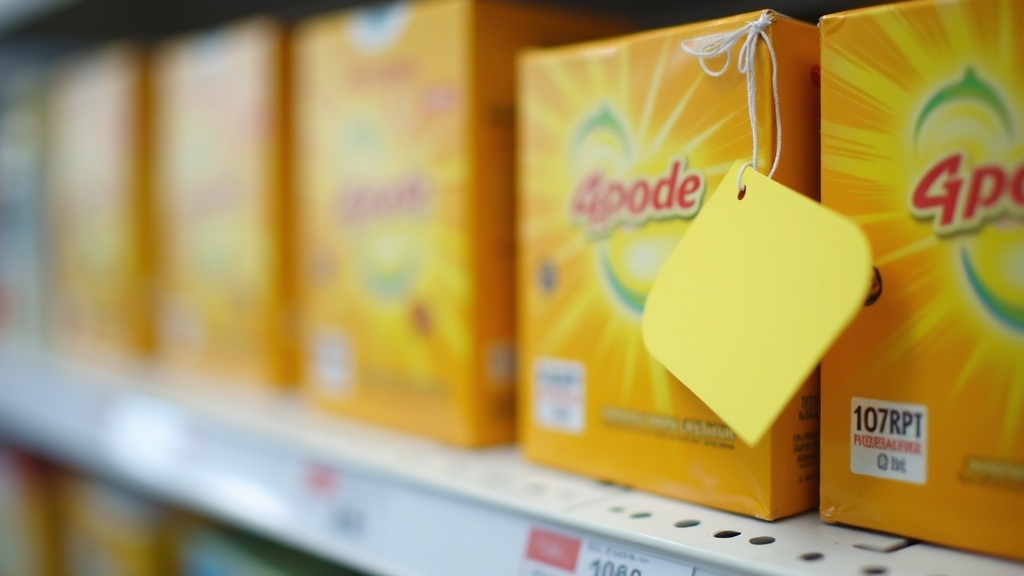
A “buy one get one” deal is a good deal when you were already going to buy that item, the discounted item is one you’ll actually use before it expires or goes bad, and the starting price hasn’t been quietly inflated to cover the “free” half. It’s a bad deal when it pushes you into buying more of something than you need, when the per-unit price is no better than a regular sale elsewhere, or when it only works if you buy two full-price items instead of getting a real discount on each. The offer itself is neutral — it’s your buying pattern that decides whether it saves you money or costs you more.
Why BOGO deals exist in the first place
Retailers use buy-one-get-one offers for a few straightforward business reasons: to move inventory that’s approaching its sell-by date, to introduce a new product by pairing it with a familiar one, to clear seasonal stock, or simply to increase the average size of your basket. None of that is sinister. A store makes more money selling you two units at a blended discount than selling you one unit at full price, even if the per-unit math looks generous on your end too. The offer can be win-win — but only if the two units are things you’d have bought anyway, at some point, in that quantity.
This is the same logic that shows up across seasonal buying patterns generally, whether it’s patio furniture clearance timed to late summer or winter coat markdowns after the cold snap passes. Retailers discount when it serves their inventory needs, and BOGO is just one structure among several for doing that.
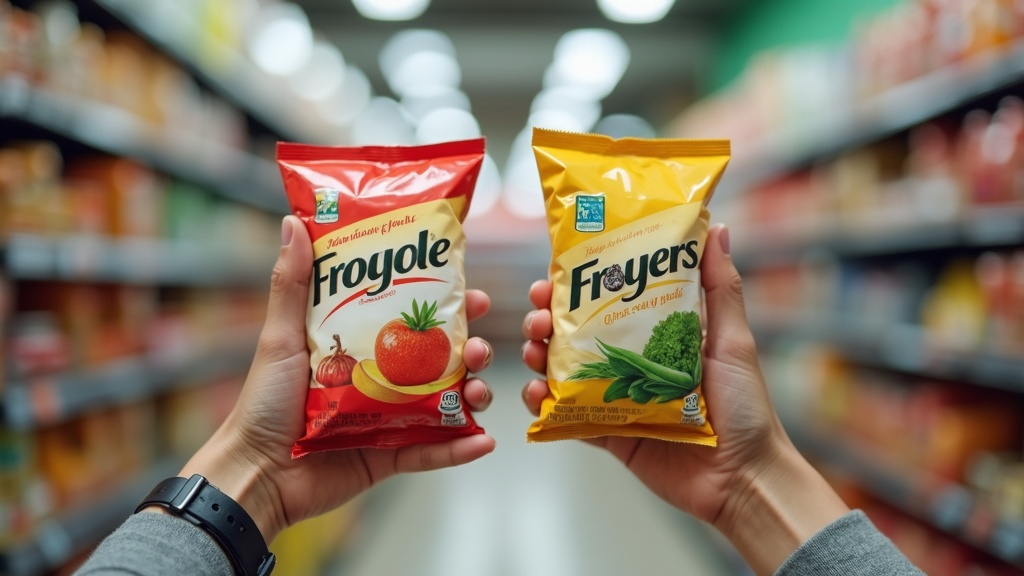
When BOGO actually saves you money
- You already buy this item regularly. Household staples like canned goods, cleaning supplies, or personal care items that don’t expire quickly are the classic good case. If you use two, you save on both.
- The category doesn’t spoil or go out of style before you use it. Paper towels and batteries wait patiently in a closet. Fresh produce and dated dairy do not.
- The regular price is genuinely reasonable to start. A BOGO on an item that was fairly priced before the promotion is a real 50% discount across the pair. A BOGO on an item whose “regular” price was quietly bumped up right before the sale is not.
- It stacks cleanly with a loyalty discount or coupon. Some stores allow a manufacturer coupon or loyalty price on top of a BOGO structure, which can turn a good deal into a very good one — as long as you’re following the stacking rules correctly, which is worth understanding before you assume a discount will apply the way you expect.
If you’re unsure whether a specific offer clears that bar, the same checklist used for judging whether any sale price is actually a good deal applies here — compare the effective per-unit cost against what you’d normally expect to pay, not just against the sticker price sitting next to it that day.
When BOGO is a trap
The most common way a buy-one-get-one deal quietly costs you money is inflated anchor pricing: the “buy one” price is set higher than the item normally sells for, so that even after the second one is “free,” you’re paying close to full price for two instead of a real discount on either. This is exactly why price history matters more than the sale tag in front of you. A price-tracking tool or a quick look at recent price trends can show whether the regular price crept up right before the promotion started, which is a pattern worth understanding through resources like how price-tracking tools actually work.
Other common traps:
- Perishables you can’t finish. Two of something with a short shelf life is only a deal if you’ll use both before they spoil. Otherwise you’re paying for waste.
- “Buy two, get one” structures disguised as BOGO. Some offers require purchasing two full-price items to unlock a third at a discount, which is a smaller effective discount than a straight 50% off and easy to misread at a glance.
- Mixed-and-matched sizes. If the deal lets you combine a large and small size, the per-unit savings can shrink dramatically depending on which sizes you pick — this is where reading unit prices to compare package sizes fairly becomes essential instead of optional.
- Impulse category creep. A BOGO on snacks, seasonal décor, or novelty items you weren’t planning to buy at all isn’t a deal — it’s spending you wouldn’t have done otherwise, just spread across two units instead of one.
- Loyalty-card-only pricing that excludes non-members. Some BOGO tags only apply once you scan a loyalty account, which is worth knowing before you assume the shelf price applies to everyone; it’s part of a broader pattern worth understanding if you’re weighing whether a store loyalty program is worth signing up for in the first place.
The quick math that settles it
The fastest way to judge any BOGO offer is to ignore the marketing language entirely and calculate the effective price per unit, then compare that number to what the item typically costs on a normal sale. If a “buy one get one” deal brings the per-unit cost down to roughly what a solid seasonal discount would anyway, it’s a fine time to buy — but it isn’t uniquely magical. If the per-unit cost after the “free” item is still higher than what you’ve paid during a typical clearance or comparison-shopping check, the BOGO structure is doing more marketing work than actual saving.
This is where a broader comparison-shopping habit pays off. Rather than reacting to any single tag in the store, it helps to have a general sense of what things cost across a few sources, which is the whole idea behind comparison shopping without wasting hours — a quick habit, not a research project, that keeps promotional framing from doing your thinking for you.
A simple comparison
| Deal structure | What it usually means | Best used for |
|---|---|---|
| Buy one, get one free | Effectively 50% off across two units, if starting price is fair | Non-perishable items you already use regularly |
| Buy one, get one 50% off | Effectively 25% off across two units | Mid-priced items where a straight discount elsewhere may beat it |
| Buy two, get one free | Roughly 33% off across three units | Bulk staples with long shelf life |
| Straight percentage-off sale | Discount applies whether you buy one or several | Items you only need one of |
Questions to ask before you take the deal
- Would I have bought this item anyway, even without the promotion?
- Will I realistically use or consume the second unit before it expires, goes stale, or goes out of season?
- Is the “regular” price actually the regular price, or does it look higher than what this item typically sells for?
- Does a straight percentage-off sale elsewhere beat the BOGO’s effective per-unit price?
- Am I choosing this brand because it’s genuinely what I want, or just because it’s the one on promotion — when a comparable store brand might be the smarter buy either way, discount or not?
That last question is worth sitting with. It’s easy to let a BOGO tag decide brand loyalty for you, when the underlying question of when store brand versus name brand actually matters hasn’t changed just because one of the two is temporarily discounted.
Where to check before you commit
If you shop BOGO deals often, it’s worth building a habit of checking a few things systematically rather than deciding aisle by aisle. Keeping an eye on general timing patterns for the categories you buy most — through resources like the deal timing and sales calendars archive — helps you recognize whether a BOGO is arriving at a predictable clearance window or is a one-off promotion. And if you’re the type who cross-checks prices before buying anything, the comparison shopping and price tracking hub covers the tools and habits that make that quick instead of tedious.
Frequently asked questions about buy one get one deals
Is buy one get one free always a 50% discount?
Only if the starting “buy one” price is genuinely the item’s normal price. If that price was raised before the promotion started, the real discount across both units is smaller than 50%, so it’s worth comparing against recent regular pricing before assuming the math works out that way.
Are BOGO deals worth it for perishable food?
Only if you’re confident you’ll use or freeze the second item before it spoils. Otherwise the “free” item becomes food waste, which erases the savings entirely — it’s only a good deal if both units get used, not just purchased.
Can I use a coupon on top of a BOGO deal?
Sometimes, depending on store policy and whether the coupon is manufacturer- or store-issued. Rules vary by retailer and change often, so it’s worth understanding general stacking rules before assuming a coupon will apply cleanly to a promotional price.
Why do stores offer buy one get one deals instead of just discounting the price?
BOGO structures encourage larger basket sizes and can move slow-moving or near-expiration inventory faster than a flat discount would, since shoppers who might buy one are nudged into buying two, which benefits the retailer’s inventory turnover.
How do I know if a BOGO deal is better than a regular sale price?
Divide the total price paid by the number of units to get a true per-unit cost, then compare that number to what the item has typically sold for during a normal seasonal sale or clearance period, rather than comparing it only to the shelf price sitting next to the promotion.
Shopper Marts publishes general shopping and buying information, not financial advice, and we are not a retailer. We do not verify real-time prices, stock, or sale terms — always confirm current price, availability, and return policy directly with the seller before buying. Product categories, not specific real brands or models, are discussed unless otherwise noted, and nothing here is a guarantee of price or performance.