What actually matters when buying a washing machine comes down to five things: capacity that fits your household’s real laundry volume, load type (front vs. top) based on your space and habits, efficiency ratings that affect long-term utility costs, reliability and repair history for the brand and model line, and total cost of ownership rather than just the sticker price. Everything else — app connectivity, steam settings, extra cycle names — is secondary polish that some households love and others never touch.
Washing machines are a category where marketing noise is especially loud, because most models within a price tier perform similarly on the basics. The differences that actually show up in your utility bill, your repair calls, and your Saturday mornings are quieter and less flashy than what gets featured in a glossy display. Here’s what to actually weigh.
Capacity: buy for your real laundry, not your aspirational laundry
Drum capacity is measured in cubic feet, and it’s tempting to size up “just in case.” But an oversized machine for a one- or two-person household wastes water and energy on partial loads, while an undersized machine for a family of five means more loads per week and more wear on the machine over its lifespan. A rough guide: singles and couples typically do fine with a smaller capacity drum, while households of four or more usually benefit from a larger one, especially if bedding and towels are washed at home rather than at a laundromat.
If you’re not sure, think about your bulkiest regular load — a comforter, a stack of towels — and make sure the drum handles that comfortably without cramming. Overloading is one of the fastest ways to wear out bearings and door seals prematurely.
Front-load vs. top-load: the real trade-offs
This is less about “which is better” and more about which trade-offs fit your household.
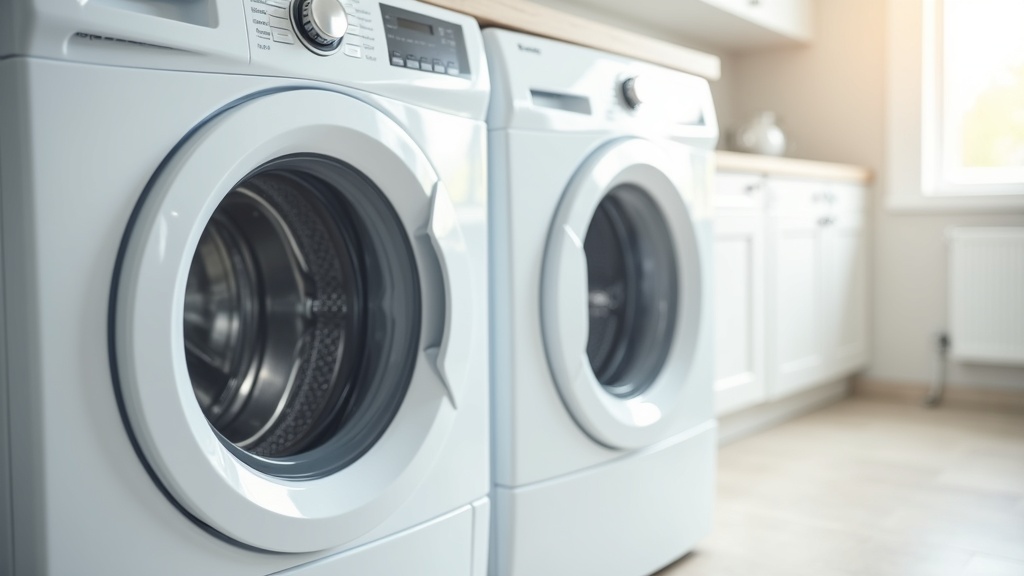
- Front-load machines generally use less water and energy per load, are gentler on fabrics, and stack with a dryer to save floor space. The trade-offs: they typically cost more upfront, cycles run longer, and the door seal can develop odor if you don’t leave the door cracked open between uses.
- Top-load machines (especially agitator models) usually finish faster and let you add a forgotten item mid-cycle, and traditional versions tend to be simpler mechanically. High-efficiency top-loaders split the difference — no center agitator, better water efficiency — but can still have longer cycle times than older agitator models.
Neither category is objectively superior; it depends on whether you prioritize speed and simplicity or water/energy savings and fabric care.
Efficiency ratings actually save money over time
A washing machine’s energy and water use compounds over years of ownership. Look for standardized efficiency labeling in your region (in the U.S., that’s the ENERGY STAR label) as a starting comparison point rather than trusting a brand’s own efficiency claims on the box. The difference between an efficient and inefficient model, run several times a week for a decade, can add up to real money in water and electricity — though the exact amount depends heavily on your local utility rates, which we won’t guess at here.
If you’re comparing two similarly priced machines and one has a meaningfully better efficiency rating, that’s often the tiebreaker worth choosing on, since capacity and features may be nearly identical otherwise.
Reliability and repairability matter more than feature lists
A washing machine loaded with sensors, app controls, and specialty cycles is only a good buy if it keeps working. Before you fall for a feature list, look into:
- How available replacement parts are for that brand — some are easy to service locally, others require specialty technicians or long parts-shipping waits.
- Whether the control board and electronics are known to be a weak point, since electronic repairs tend to cost more than mechanical ones.
- What independent repair technicians say about a brand’s general durability, if you can find that kind of trade discussion, rather than relying only on manufacturer marketing.
This is also where comparing warranty coverage before buying an appliance pays off — a longer parts-and-labor warranty on the drum or motor can offset a higher purchase price if something goes wrong in year three or four.
Total cost of ownership, not just the price tag
The purchase price is just the entry fee. Total cost of ownership includes:
- Utility costs over the machine’s expected lifespan (often 10-14 years for a well-maintained unit).
- Detergent and additive costs — high-efficiency machines usually require HE-labeled detergent, and using the wrong type can cause residue buildup.
- Repair costs, which are more likely and more expensive on machines with complex electronics past the warranty period.
- Delivery, installation, and haul-away fees, which vary by retailer and aren’t always included in the advertised price.
When you’re doing the math, a mid-range machine might sound like it runs somewhere in a modest few-hundred-dollar band while a premium one runs well above that — but treat any number you see, including that one, as illustrative only and confirm current listings before assuming what’s “typical” right now.
Timing your purchase
Washing machines follow broader appliance discount patterns: new model years are often announced in fall, which can push older-generation models into clearance pricing, and major shopping holidays throughout the year commonly bring appliance markdowns as retailers compete for big-ticket sales. For a fuller breakdown of when appliance prices tend to dip, it’s worth reading when to buy appliances for the lowest prices, and keeping an eye on deal timing and sales calendars generally, since laundry appliances often get grouped with other seasonal home-goods promotions.
If your current machine is on its last legs and you can’t wait for a seasonal dip, don’t panic-buy the first thing in stock. A little bit of efficient comparison shopping — checking two or three retailers rather than assuming the first price you see is the best one — usually takes less time than people expect and can meaningfully change what you pay.
Open-box, floor models, and refurbished units
Washing machines are heavy and hard to return, which makes floor models and open-box units a common category for markdowns — sometimes because of minor cosmetic dings, sometimes simply because the box was opened for a demo. Before buying one, run through what to check first on open-box and floor-model deals, including whether the full manufacturer warranty still applies. The same logic extends to refurbished units sold through certified programs; the refurbished electronics buying checklist covers questions that translate well to major appliances too, like what testing was done and what the return window looks like.
Don’t skip the return policy
Because washing machines are bulky, expensive to ship back, and sometimes damage floors or walls during delivery, the return policy matters more here than for most purchases. Some retailers charge restocking fees on major appliances or only accept returns for defects, not buyer’s remorse. It’s worth reading how return policies should factor into a buying decision before you commit, especially if you’re buying a size or type of machine you haven’t used before.
Rewards, cashback, and stacking savings
A washing machine is exactly the kind of large purchase where a store credit card category bonus, a cashback browser extension, or a loyalty program discount can add up to a meaningful amount, even if each individual perk seems small. It’s worth understanding how credit card rewards categories actually add up and how cashback apps and browser extensions work before checkout, and whether a store’s loyalty program is actually worth signing up for given how infrequently most people buy large appliances.
Frequently asked questions about buying a washing machine
How many cubic feet do I need for a family of four?
Most households of four do well with a mid-to-large capacity drum, often in the higher end of standard sizing, especially if towels and bedding are washed at home. If your bulkiest load is a king-size comforter, size up rather than down to avoid overloading.
Is a front-load or top-load washer better?
Neither is universally better — front-load machines typically use less water and energy and are gentler on fabrics, while top-load machines usually finish faster and let you add items mid-cycle. Choose based on which trade-off matters more to your household.
How long should a washing machine last?
A well-maintained washing machine commonly lasts around 10 to 14 years, though this varies by brand, usage frequency, and whether loads are consistently overstuffed. Regular maintenance, like cleaning the detergent drawer and door seal, extends lifespan noticeably.
Do I need a high-efficiency detergent for a new washer?
Most modern washing machines, especially front-load and high-efficiency top-load models, require HE-labeled detergent. Using regular detergent can cause excess suds, residue buildup, and potentially affect machine performance over time, so check your manual before your first load.
Is it worth buying an extended warranty on a washing machine?
It depends on the manufacturer’s base warranty length and known reliability of the specific component types (motor, control board, drum). Comparing warranty terms carefully before deciding is usually more useful than assuming an extended plan is automatically worth the added cost.
Shopper Marts publishes general shopping and buying information, not financial advice, and we are not a retailer. We do not verify real-time prices, stock, or sale terms — always confirm current price, availability, and return policy directly with the seller before buying. Product categories, not specific real brands or models, are discussed unless otherwise noted, and nothing here is a guarantee of price or performance.