
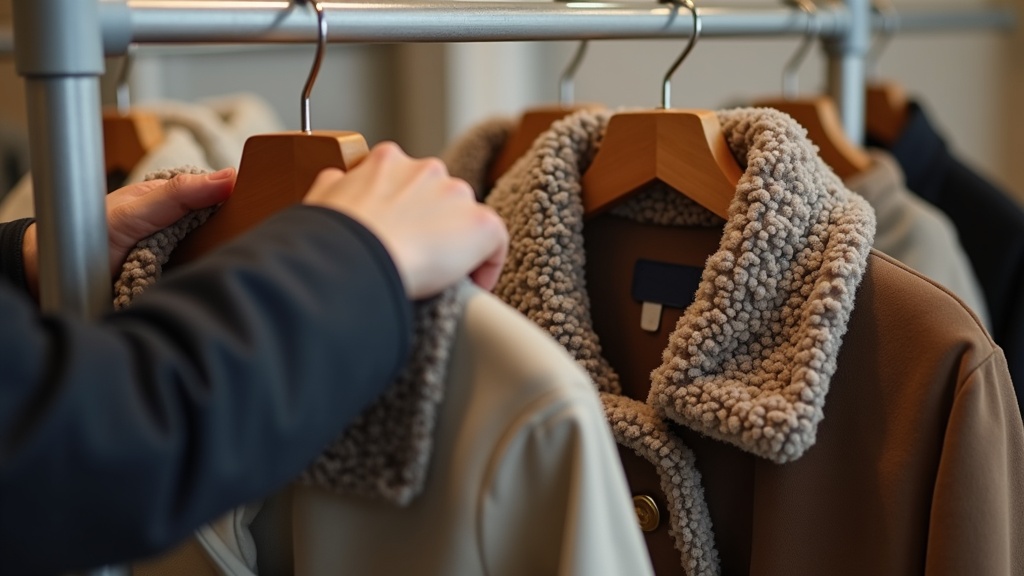
Winter coats and boots go on their deepest clearance from late January through February, after the coldest-weather selling window has passed but before spring merchandise fully takes over the floor. Retailers need the rack and shelf space, so markdowns often stack in waves — first 30-40% off, then 50% or more as March approaches. The trade-off is selection: by the time discounts bottom out, popular sizes and styles are already picked over.
Why the timing works the way it does
Cold-weather apparel is a seasonal category, and stores plan their buying and markdown calendars around it months in advance. Coats and boots typically arrive on shelves in late summer or early fall, sell at full price through the first real cold snap, and then get progressively marked down once the coldest months are behind most of the country. This is a similar rhythm to how patio furniture gets cleared out once summer winds down — the goal isn’t to reward shoppers, it’s to free up space for the next season’s inventory.
That means the calendar matters more than the thermometer. Even if a cold spell hits in March, the clearance train has usually already left the station by then, because buyers are placing orders for spring jackets and rain boots, not restocking parkas.
The general markdown pattern
While every retailer runs its own schedule, a broad pattern tends to hold across department stores, big-box retailers, and outdoor specialty shops alike:
- Early-to-mid January: First round of markdowns, often 20-30% off, as post-holiday inventory gets thinned.
- Late January to February: Deeper cuts, commonly in the 40-60% range, as stores push to clear remaining stock before spring lines arrive.
- March into April: Final clearance on whatever is left — sometimes steep, but selection is thin and sizing gaps are common.
These percentages describe a general seasonal pattern, not a guarantee tied to any specific store or item. Some retailers clear inventory faster than others, and weather swings in a given year can shift the timeline a few weeks in either direction.
What actually goes on clearance first
Not everything gets marked down at the same rate. A few consistent trends show up year after year:
- Bold or trend-driven colors tend to discount faster than classic black, navy, or gray, because they’re a harder sell once the season ends.
- Mid-size runs (very common sizes) sell through at full price and rarely make it to deep clearance — if you wear an average size, shop earlier rather than later.
- Kids’ coats and boots often clear more aggressively than adult sizing, since children’s outerwear turns over every year or two regardless of wear.
- Technical or insulated boots (heavy winter hiking or work boots) sometimes hold value longer than fashion boots because demand is steadier and less trend-driven.
How to shop the clearance window without regretting it
Deep discounts only pay off if the item actually gets worn. A heavily marked-down coat that doesn’t fit right or a boot that isn’t warm enough for where you live is still a wasted purchase, no matter how good the percentage looked on the tag.
Buy for next winter, not just for the discount
The best clearance strategy is often to buy a size up (for kids) or a genuinely useful item (insulated, waterproof, versatile color) for the following season, rather than grabbing whatever is cheapest. Store it properly over the summer — a breathable garment bag and a cool, dry closet keep coats from developing musty odors or attracting moths.
Check construction, not just the price tag
Look at seams, zippers, insulation fill, and sole stitching on boots. A steep discount on a coat with weak stitching or a boot with a sole that’s already separating isn’t really a deal — it’s a short-term purchase disguised as a long-term one. This is the same instinct worth applying whenever you’re eyeing furniture markdowns or other big seasonal sales: the discount matters less than whether the item is actually built to last.
Try before you commit, even at 60% off
Boot sizing in particular varies a lot between brands and even between styles from the same brand. If a store allows in-person try-on, use it. If you’re buying online during a clearance push, double-check the return window before purchasing — clearance and final-sale items sometimes carry shorter or no return policies, which is worth confirming directly with the seller.
Comparing clearance timing across categories
Winter apparel isn’t the only category with a predictable markdown calendar. Understanding how the pattern differs by category can help you plan purchases across the whole year instead of chasing one sale at a time.
| Category | Typical clearance window | What to watch for |
|---|---|---|
| Winter coats and boots | Late January through February | Size and color availability shrinks fast |
| Patio and outdoor furniture | Late summer | Floor models and end-of-run colors |
| Mattresses | Tied to major holiday sales periods | Model-year changeovers |
| Major appliances | Around new model releases | Scratch-and-dent and open-box units |
If you like planning big purchases around predictable calendar windows, the site’s Deal Timing & Sales Calendars hub rounds up this kind of seasonal pattern across many categories, including appliances and mattresses, so you’re not relying on memory for when each category typically bottoms out.
Is it ever worth buying full price before the clearance window?
Sometimes, yes. If a specific technical boot or a coat with a particular insulation rating is the difference between staying warm and being miserable through a real winter, waiting for a discount that may leave your size unavailable isn’t worth the risk. Clearance timing is a smart default for general-purpose items, but for gear you genuinely rely on, function should outrank the markdown schedule. The same logic applies to other functional big-ticket purchases — someone shopping laptop deals for work rather than casual browsing might reasonably decide not to wait either.
Frequently asked questions about winter coat and boot clearance
When do winter coats go on clearance?
Winter coats typically start marking down in early-to-mid January and hit their deepest discounts from late January through February, once retailers begin clearing space for spring apparel. Exact timing varies by store and region.
What month are winter boots cheapest?
February is commonly the cheapest month for winter boots in most regions, as stores push remaining cold-weather inventory before spring lines arrive. Selection thins out quickly, so popular sizes may already be gone by then.
Should I buy winter coats a size bigger for next year?
For growing kids, buying one size up during clearance is a common and practical strategy since coats often get replaced yearly anyway. For adults, it’s usually better to buy true-to-size since fit affects warmth and comfort more directly.
Do outlet stores have better winter coat clearance deals?
Outlet locations can offer additional markdowns on already-discounted seasonal stock, but selection and quality can vary by location and season. It’s worth comparing against a regular retailer’s clearance rack rather than assuming the outlet price is automatically better.
Is it worth buying a winter coat in the off-season?
Yes, for most shoppers, buying during the late-winter clearance window and storing the coat until next season is one of the more reliable ways to get a lower price on outerwear, as long as the item is stored properly and still fits when winter returns.
Shopper Marts publishes general shopping and buying information, not financial advice, and we are not a retailer. We do not verify real-time prices, stock, or sale terms — always confirm current price, availability, and return policy directly with the seller before buying. Product categories, not specific real brands or models, are discussed unless otherwise noted, and nothing here is a guarantee of price or performance.