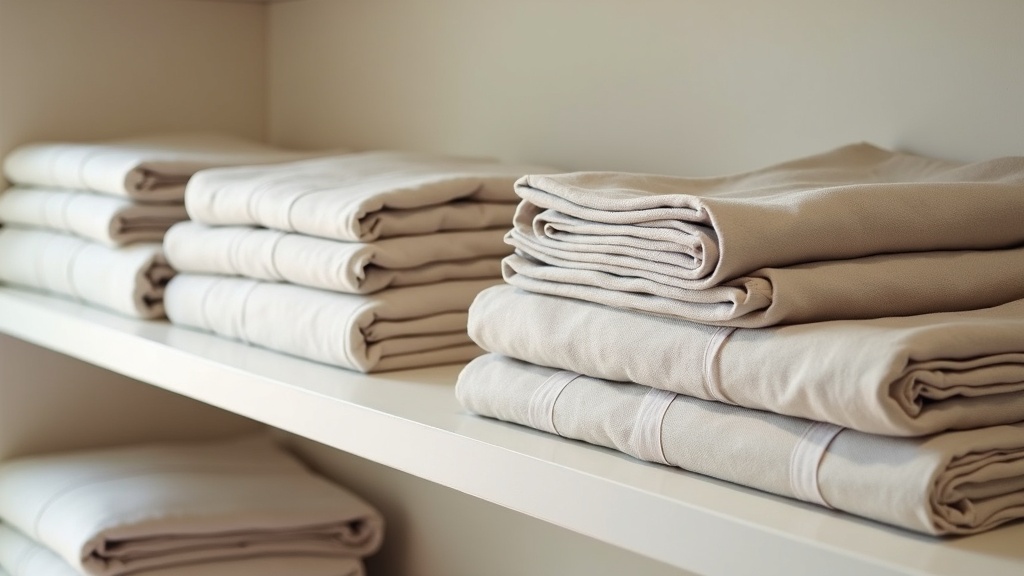
Bedding that holds up to washing comes down to three things: fiber content that resists breaking down under repeated agitation and heat, a tight, even weave rather than a loose or heavily brushed one, and construction details like flat-felled seams and reinforced elastic. Skip anything that relies on a coating or finish to feel soft, since that finish is usually the first thing to wash out. A quick check of the care label and a feel of the fabric’s weight will tell you more than the marketing copy on the package.
Why bedding wears out faster than people expect
Sheets and duvet covers get washed far more often than almost anything else in the house — often weekly — and they go through a full cycle of soaking, agitation, hot water, and machine drying. That combination is hard on fibers. Cheap or loosely woven fabric starts pilling, thinning at the corners, or losing its finish within a few months, while a well-made set can go through hundreds of wash cycles and still feel close to new. The difference isn’t always visible on the shelf, which is why it pays to know what to look for before you buy rather than after the first few washes disappoint you.
This matters more for bedding than for most household goods because return windows are short and once a sheet set has been washed, most retailers won’t take it back. If you’re weighing bedding against other big household purchases, it helps to think about it the same way you’d approach a washing machine purchase — the machine and the fabric you put in it are really solving the same durability problem from two different directions.
Fiber content: what actually survives the wash
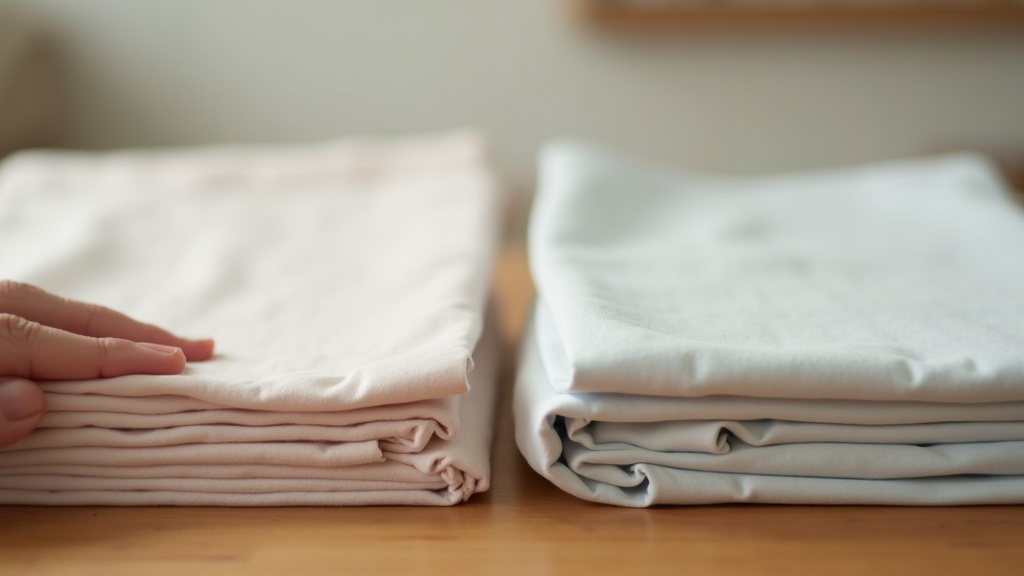
Fiber is the single biggest factor in how bedding ages. A few practical notes on the common options:
- Cotton (percale or sateen weave): Long-staple cotton — look for terms like Pima or Egyptian on the label, understanding these are fiber types rather than guarantees of quality on their own — holds up well because longer fibers resist pilling and breaking. Shorter-staple cotton blends tend to fuzz faster.
- Cotton-polyester blends: More wrinkle-resistant and often cheaper, but the polyester content can trap heat and pill over time. Fine for guest rooms or kids’ beds where low maintenance matters more than long-term softness.
- Linen: Naturally durable and gets softer with washing rather than more worn-looking, though it wrinkles heavily and costs more up front.
- Microfiber: Inexpensive and wrinkle-resistant, but the fine synthetic fibers are prone to pilling and can degrade faster under high heat drying.
- Bamboo-derived (rayon/viscose from bamboo): Soft and breathable, but the fibers are generally weaker when wet, so gentle, cooler washing matters more than with cotton.
Thread count is not the whole story
Thread count gets marketed hard, but a very high number on a package doesn’t automatically mean better durability — some manufacturers inflate the count using multi-ply yarns that count each twisted strand separately. A moderate thread count in a genuinely long-staple cotton, woven densely and evenly, will usually outlast a higher-numbered set made from shorter fibers. If you’re comparing two packages side by side, it’s worth applying the same instinct you’d use when reading unit prices to compare package sizes fairly — look past the headline number to what’s actually inside.
Weave type affects wear pattern
Percale weaves (one thread over, one under) tend to be crisp, breathable, and durable because the tight structure resists snagging. Sateen weaves (more threads floating on the surface) feel silkier but can snag and pill a bit faster since more thread surface is exposed. Neither is objectively better — it’s a trade-off between feel and long-term wear, and it’s fine to prioritize comfort if you’re diligent about following the wash instructions.
Construction details that predict how bedding ages
Fabric quality only gets you halfway. How the pieces are put together determines whether a fitted sheet still fits your mattress after a year of washing.
- Seams: Flat-felled or double-stitched seams resist fraying far better than a single straight stitch, especially on duvet covers that get twisted and pulled during washing.
- Elastic on fitted sheets: All-around elastic (running the full perimeter) tends to hold shape longer than elastic only at the corners, which can stretch out and leave a fitted sheet popping off the mattress within months.
- Buttons, ties, and zippers on duvet covers: Metal zippers and reinforced button plackets survive more cycles than thin plastic snaps or single-stitched button holes.
- Hems and pillowcase openings: Wider, doubled hems resist unraveling; a single-fold hem is often the first place a sheet starts to fray.
Reading the care label before you buy, not after
The care label tells you what the manufacturer expects the fabric to tolerate, and it’s a good early warning system. A “cold wash, hang dry only” instruction on something you plan to wash weekly is a sign the fabric may not tolerate the heat and agitation of a normal routine, even if it looks sturdy on the shelf. Bedding rated for warm or hot machine washing and tumble drying on low-to-medium heat generally signals a fiber and finish built for real, repeated use — which matters more than any softness claim on the packaging.
Store brand versus name brand on bedding
Bedding is one of those categories where a store brand can genuinely match a pricier name brand, because the fiber and weave — not the label — do most of the work. It’s worth applying the same comparison logic covered in our piece on store brand vs name brand: when it matters: check the fiber content and weave first, and treat the brand name as a secondary factor rather than a shortcut for quality.
A quick comparison of common fabric types
| Fabric type | Wash durability | Best matched to |
|---|---|---|
| Long-staple cotton (percale) | High | Everyday sheets washed weekly |
| Long-staple cotton (sateen) | Moderate-high | Softer feel, slightly more careful washing |
| Cotton-poly blend | Moderate | Low-maintenance, budget-friendly bedrooms |
| Linen | High | Long-term durability, less concerned with wrinkles |
| Microfiber | Low-moderate | Guest rooms, occasional use |
| Bamboo/viscose | Moderate | Softness priority with gentle wash habits |
Testing before you fully commit
If a set is returnable, wash it once before removing tags where possible, and check for shrinkage, color bleed, and any loosening at the seams. Buying bedding alongside a new mattress is common enough that it’s worth reading our guide on how to pick a mattress without getting overwhelmed, since sizing and depth affect which sheets will actually fit and stay put through repeated washing.
When to buy for the best selection and pricing
Bedding and linens are typically discounted during general home-goods clearance windows rather than tied to one specific holiday, and white sale traditions historically cluster bedding markdowns in January, alongside other seasonal patterns. For a fuller breakdown of when retailers tend to clear stock, see our guide on when mattresses, bedding, and linens go on clearance, and our related piece on the best time of year to buy a mattress if you’re shopping for both at once. For more general household goods buying advice, the Everyday Gear & Home Goods Guides hub covers related categories worth comparing before you check out.
Frequently asked questions about bedding that holds up to washing
What thread count is best for durability?
There’s no single ideal number. A moderate thread count in genuine long-staple cotton with a tight, even weave typically outlasts a very high thread count made from shorter fibers or inflated multi-ply yarns, so check fiber type before comparing numbers.
Why do my sheets pill after a few washes?
Pilling usually comes from shorter or synthetic fibers rubbing against each other during agitation and drying. Long-staple cotton and linen resist this better than microfiber or low-quality blends, and washing in cooler water with a gentler cycle also slows pilling.
Is percale or sateen better for long-term wear?
Percale generally holds up slightly better over many wash cycles because its tighter, flatter weave resists snagging, while sateen’s silkier surface can pill a bit sooner. Both can last a long time if you follow the care label and avoid high heat drying.
Should I wash new sheets before using them?
Yes — an initial wash removes manufacturing residue, lets you check for shrinkage or dye bleed while the set is still likely returnable, and softens the fabric slightly before first use.
How often should bedding be replaced?
Most well-made cotton or linen sheets last one to three years of weekly washing before fabric visibly thins or seams weaken, though lower-quality blends often need replacing sooner. Rotating two sets can extend the life of both by reducing wash frequency on each.
Shopper Marts publishes general shopping and buying information, not financial advice, and we are not a retailer. We do not verify real-time prices, stock, or sale terms — always confirm current price, availability, and return policy directly with the seller before buying. Product categories, not specific real brands or models, are discussed unless otherwise noted, and nothing here is a guarantee of price or performance.