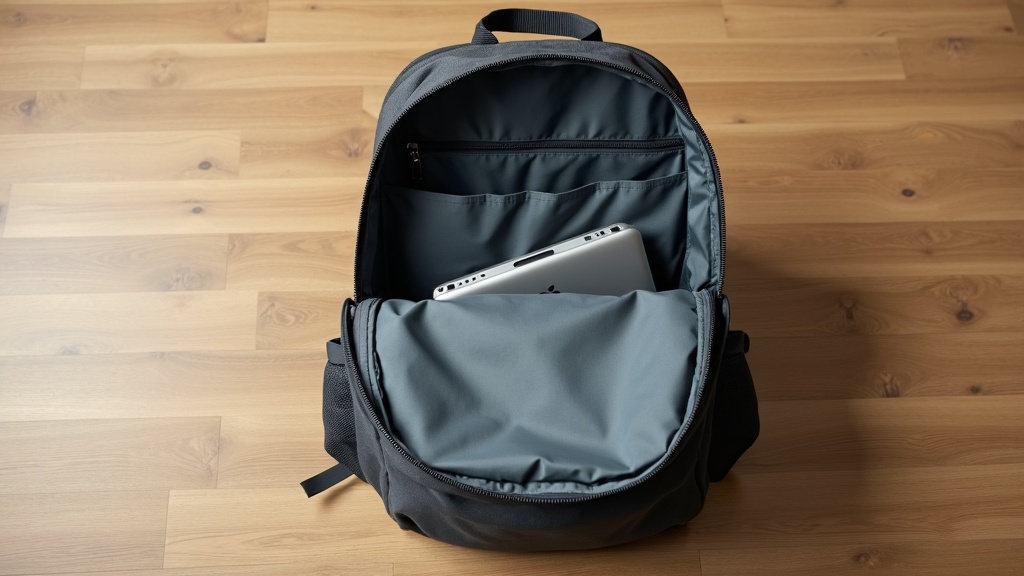
A good daily-use backpack comes down to four things: straps and back panel that distribute weight without digging in, materials that shed water and resist abrasion where you actually set it down, organization that matches what you carry (laptop, gym clothes, lunch, cables), and a size that fits your daily load without becoming a half-empty sack you’re always adjusting. Everything else — color, extra zippers, brand name — is preference, not function.
Start with how you’ll actually use it
Before comparing specific packs, get honest about your daily routine. Someone commuting by bike or on foot needs different support than someone who tosses a bag in the passenger seat and walks it fifty feet into an office. A student carrying textbooks and a laptop has different weight-distribution needs than someone hauling a change of clothes and a water bottle to the gym. Write down (mentally or literally) the heaviest and bulkiest things that will regularly go in the bag, because that list should drive every other decision below, not the other way around.
This same “use case first” approach applies across a lot of everyday gear — it’s the same logic covered in guides on buying walking or running shoes that fit, where the wrong choice made for the wrong activity causes discomfort no amount of cushioning fixes.

Straps, back panel, and how weight actually feels
This is the part people skip and regret most. A backpack that looks fine empty can feel miserable at eight pounds loaded. Look for:
- Wide, padded shoulder straps — thin straps concentrate weight into two narrow lines across your shoulders, which gets uncomfortable fast on anything heavier than a light day bag.
- A padded or contoured back panel with some airflow channeling, especially if you’ll wear it in warm weather or while walking any real distance.
- A sternum strap and, ideally, a hip belt if you regularly carry more than a light load — these transfer weight off the shoulders and onto the torso and hips, which is where your body handles weight best.
- Adjustability — straps that cinch easily let you fine-tune fit through a jacket in winter versus a t-shirt in summer.
If possible, load a candidate bag with something approximating your real daily weight before buying, or at least during a return window, and walk around a store aisle or your living room for a few minutes. Discomfort that isn’t obvious in thirty seconds often shows up after ten minutes.
Material and construction: where corners actually get cut
Backpack fabric is usually described with a denier number (like 420D or 900D nylon), which measures thread thickness, not overall quality — a lower number woven tightly can outlast a higher number woven loosely. What matters more in practice:
- Water resistance at the base and top, since that’s where a bag sits on wet pavement or gets rained on directly.
- Bar-tacked stress points — reinforced stitching where straps attach to the body of the bag, which is the first place cheap packs fail.
- Zipper quality — metal or heavy-duty plastic zippers with a smooth pull action tend to survive daily use better than thin zippers on cheap linings, and a busted zipper often means the whole bag is done.
- Lining color — a lighter interior lining makes it far easier to find a dropped pen or dropped keys than an all-black interior, a small detail that pays off daily.
None of this requires the most expensive option on the shelf. A mid-range option might run somewhere in the $30-60 band depending on brand and features, but check current listings, since backpack pricing shifts with materials, season, and retailer promotions.
Organization: match pockets to your actual gear
More pockets isn’t automatically better — it’s better only if the pockets match what you carry. A dedicated, padded laptop sleeve matters if you carry a laptop; it’s dead weight if you don’t. A separate shoe or gym-clothes compartment matters for a gym-to-office routine and is irrelevant for a student who just needs binder space. Before buying, think through:
- Do you need a padded, separated laptop or tablet compartment, and does it fit your specific device size? (Sizing your device against the bag matters the same way it matters when choosing a monitor that actually fits your desk and use, not just the specs on the box.)
- Do you need quick-access pockets for a phone, transit card, or keys that you don’t want buried under everything else?
- Do you carry a water bottle, and if so, is the side pocket actually reachable while the bag is on your back, or do you have to take it off every time?
- Do you need internal organization for cables, chargers, or pens, especially if you’re also carrying electronics day to day — a concern that comes up in a lot of the guidance in our electronics and gadgets buying guides.
Size: bigger isn’t automatically better
Backpacks are usually sized in liters, and it’s tempting to size up “just in case.” But an oversized bag for your daily load tends to shift and sway more, since the weight isn’t packed tight against your back. As a rough guide:
| Daily load | Rough capacity | Typical use |
|---|---|---|
| Light (phone, wallet, light jacket) | 10-15L | Errands, short commutes |
| Moderate (laptop, notebook, lunch) | 15-25L | Office or school commute |
| Heavy (laptop, gym clothes, extra gear) | 25-35L | Gym-to-office, long days out |
If you’re between sizes, most people are better served sizing down and using external straps or a slightly fuller pack than sizing up and carrying a bag that never quite sits right.
Durability signals that hold up over years, not months
A backpack you use daily takes far more abrasion than one used occasionally for travel. Look at how the bottom corners are reinforced, since that’s where a bag gets set down on concrete or scraped against a car door. Check whether the zipper pulls are easy to grab with cold or wet hands. And consider whether replacement parts — like a broken buckle — are something you could realistically fix or replace, versus a bag that becomes trash the moment one small piece fails. This is the same durability-first thinking behind picking cookware that actually lasts instead of something that looks fine on day one but fails under regular use.
Warranty, returns, and buying smart
Because fit and comfort are so personal, a generous return window matters more for backpacks than for a lot of other purchases — you genuinely can’t know how a bag feels loaded until you’ve worn it for a real day. Before buying, it’s worth understanding how return policies should factor into a buying decision, especially for anything bought online sight-unseen. Some backpack brands also offer multi-year warranties against stitching or zipper failure, which is worth weighing the same way you’d weigh comparing warranties before buying an appliance — a longer warranty is a signal of confidence, not a guarantee, but it’s still a useful data point.
If you’re shopping around, it also helps to know when backpacks tend to see real markdowns. Back-to-school season is the obvious one, and timing that purchase well is covered in our guide on when to shop back-to-school deals without overpaying. Outside that window, discounts tend to follow general retail patterns rather than a predictable calendar, so comparing prices across a few sellers before buying — the same approach outlined in how to comparison shop without wasting hours — is usually more reliable than waiting for a specific sale.
Frequently asked questions about buying a backpack for daily use
What size backpack do I need for everyday use?
For most people carrying a laptop, notebook, and lunch, 15-25 liters is enough. Go smaller if you carry very little day to day, and only size up toward 25-35 liters if you regularly haul gym clothes or extra gear along with work items.
How much should I spend on a good everyday backpack?
There’s no single right number — quality construction exists across a range of prices, and materials or brand name don’t always track with durability. Focus on strap padding, reinforced stitching, and zipper quality rather than price alone, and confirm current pricing with the seller.
Is a padded laptop compartment necessary?
Only if you actually carry a laptop or tablet daily. A padded, separated sleeve protects against drops and bumps, but if you don’t carry electronics, that space is better used for other organization instead of paying for a feature you won’t use.
How do I know if a backpack fits properly?
Load it with your typical daily items and wear it for several minutes, checking that shoulder straps don’t dig in, the back panel sits flush against your back, and weight feels centered rather than pulling you backward. A sternum strap helps stabilize fit if the bag has one.
When is the best time to buy a backpack on sale?
Back-to-school season, typically late summer, is the most reliable window for broad backpack markdowns. Outside that period, discounts tend to be retailer-specific and less predictable, so comparing a few current listings is usually more useful than waiting for a particular date.
Shopper Marts publishes general shopping and buying information, not financial advice, and we are not a retailer. We do not verify real-time prices, stock, or sale terms — always confirm current price, availability, and return policy directly with the seller before buying. Product categories, not specific real brands or models, are discussed unless otherwise noted, and nothing here is a guarantee of price or performance.