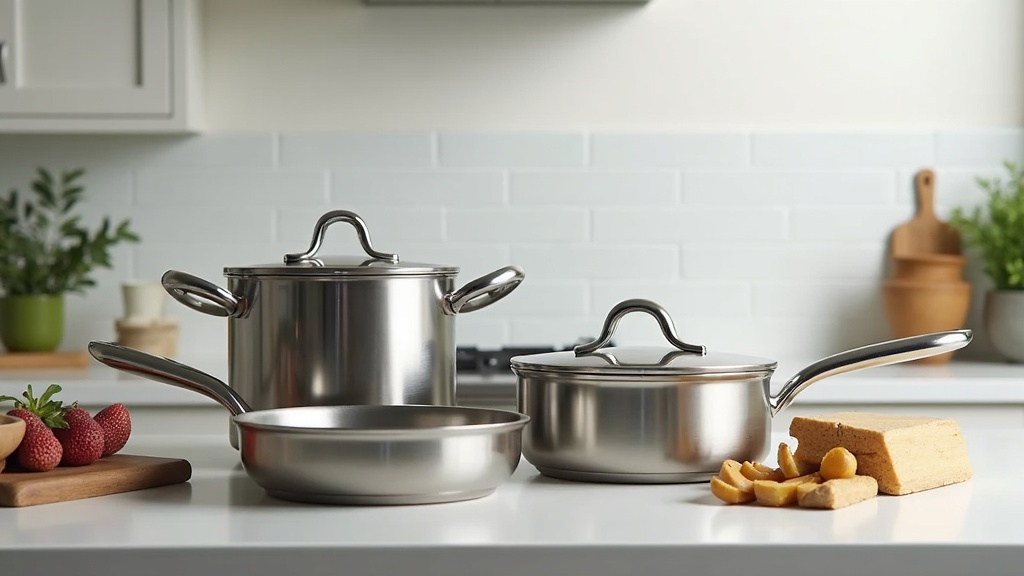
Cookware that actually lasts comes down to four things: solid base construction (not just a thin disk stuck on the bottom), materials suited to how you actually cook, handles and rivets built to survive years of heat and washing, and a warranty that reflects the maker’s confidence in their own product. Skip the marketing claims about “professional-grade” or “lifetime nonstick” and check these details directly before you buy.
Cookware is one of those categories where price and durability don’t always line up the way you’d expect. Some inexpensive pieces hold up for a decade of daily use, while some expensive sets warp, chip, or lose their nonstick coating within a year or two. The difference is almost always in construction details that are easy to check if you know what to look for, and easy to miss if you’re just comparing photos and star ratings online.
Start with the base, not the surface
The single biggest predictor of whether a pan will last is what’s happening underneath the cooking surface. Thin, stamped cookware — the kind that feels light and flexes slightly when you pick it up — tends to warp with high heat and develops hot spots that cause uneven cooking almost immediately. Heavier, fully-clad construction (where layers of metal run through the entire pan, not just the bottom) resists warping and distributes heat more evenly for years.
You can often tell the difference just by picking up two pans of similar size. A pan built for the long haul will feel substantial without being so heavy it’s a chore to lift with one hand full of food. If a listing doesn’t mention the base thickness or construction type (fully-clad, disk-bottom, or single-layer stamped), that’s worth a follow-up question to the seller or a look at the manufacturer’s own spec sheet rather than relying on marketing copy.
Match the material to how you actually cook
There’s no single “best” cookware material — there’s only the best fit for your stove, your cooking style, and your tolerance for maintenance. Each option below has real trade-offs.
- Stainless steel: Durable, dishwasher-safe, and resistant to scratching, but it doesn’t have natural nonstick properties, so technique matters (preheating properly, using enough fat) more than with coated pans.
- Cast iron: Extremely long-lived if cared for — some pieces get passed down for generations — but it’s heavy, needs occasional reseasoning, and isn’t ideal for acidic dishes like tomato sauce unless well-seasoned.
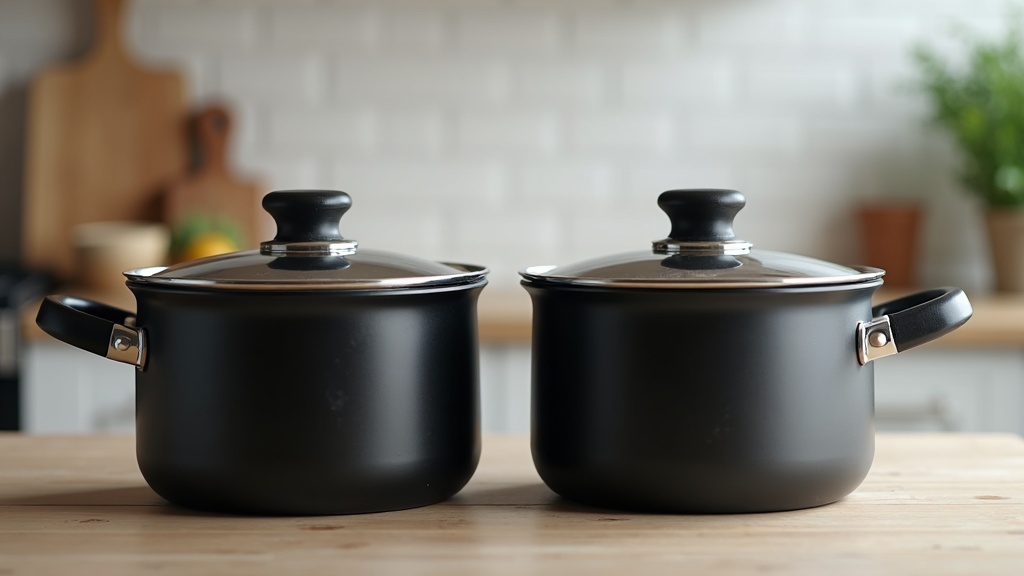
- Nonstick (coated): Easiest for eggs and delicate foods, but coatings degrade over time, especially with metal utensils, high heat, or dishwasher cycles. Expect to replace nonstick pans more often than uncoated cookware, no matter the brand.
- Carbon steel: A middle ground between cast iron and nonstick — lighter than cast iron, develops a seasoned surface with use, and holds up well to high heat.
- Enameled cast iron: Combines cast iron’s heat retention with a coating that resists rust and doesn’t require seasoning, though the enamel can chip if dropped or used with metal utensils on high heat.
Handles, rivets, and lids matter more than people think
A pan can have a great cooking surface and still fail because of a weak handle attachment. Riveted handles (visible metal pins through the pan wall) are generally more secure long-term than welded or screwed handles, which can loosen with repeated heating and cooling cycles. Handles that stay cool on the stovetop are a comfort feature, but check whether they’re oven-safe if you plan to finish dishes under a broiler — some handle materials aren’t rated for that.
Lids are often an afterthought, but a warped or ill-fitting lid can undermine an otherwise solid pan by letting moisture escape unevenly during simmering. Glass lids let you check on food without lifting them, which matters more than it sounds like for anyone still building confidence in the kitchen.
Read the warranty like you would for any major purchase
A cookware warranty is one of the clearest signals of how a manufacturer expects their product to perform. Lifetime warranties on stainless steel and cast iron are common because those materials genuinely last if not abused. Nonstick coatings almost never carry lifetime coverage against wear, because coating breakdown is considered normal use, not a defect — that’s worth knowing before you assume a “lifetime warranty” sticker means the nonstick surface itself is covered forever.
The same logic that applies to comparing warranties before buying a major appliance applies here: read what’s actually excluded, not just the headline claim. Discoloration, scratching from metal utensils, and dishwasher damage are commonly excluded from cookware warranties even when the base metal is covered for life.
Set-versus-piece-by-piece: think about what you’ll actually use
Boxed cookware sets can look like a better deal on paper, but they often include pieces — like a second saucepan size or a specialty pan — that go unused while the one pot you reach for daily wears out faster than the rest. Building a smaller collection piece by piece, prioritizing the sizes you cook with most, often results in cookware that lasts longer simply because nothing in the set is neglected or mismatched to your actual cooking habits.
If you do buy a set, check whether individual pieces can be replaced later, since a set with proprietary lid sizes or nonstandard handle designs can leave you stuck buying a whole new collection if just one pan fails.
Where price fits in
Cookware pricing varies enormously by material, brand positioning, and where it’s sold — a basic stainless skillet might run somewhere in the $20-40 band as an illustrative example, while a heavier fully-clad version could be well above that, but always check current listings rather than relying on a number you saw once. Higher price doesn’t automatically mean longer life; it sometimes reflects brand name, packaging, or included extras rather than base thickness or rivet quality.
Cookware doesn’t follow as predictable a seasonal discount calendar as some other home goods categories, but kitchen items do tend to see markdowns around major gift-giving periods and when retailers refresh floor sets for new product lines. If you’re timing a bigger kitchen purchase, it can help to check the broader patterns covered in the site’s deal timing and sales calendars hub before you commit to a specific week to buy.
Comparison shopping without getting overwhelmed
With so many materials, brands, and set configurations available, it’s easy to spend hours comparing listings without actually narrowing anything down. A more efficient approach is to decide on material and construction first (stainless vs. nonstick vs. cast iron, fully-clad vs. stamped), then compare specific products only within that narrowed category. The general approach outlined in how to comparison shop without wasting hours applies directly to cookware: filter by your must-have features before you start comparing prices, not after.
It’s also worth checking unit-level details the way you would with packaged goods — comparing weight-per-dollar or piece-count-per-dollar across sets, similar to the logic in reading unit prices to compare package sizes fairly, so a “12-piece set” that’s mostly lids and small bowls doesn’t look like a better deal than an 8-piece set of pans you’ll actually use every week.
Open-box, floor models, and secondhand cookware
Cookware is one of the more forgiving categories for buying open-box or floor-model items, since scuffs on packaging or minor cosmetic marks rarely affect how a pan cooks. The same inspection habits that apply to open-box and floor-model deals generally — checking for the return window, confirming all original pieces are included, and inspecting for actual damage versus cosmetic wear — translate well to kitchenware, where the savings can be meaningful on higher-end sets.
Caring for cookware so it actually reaches its lifespan
Even well-built cookware fails early if it’s mistreated. A few habits extend life significantly across materials:
- Let pans cool before washing them; thermal shock from cold water on a hot pan can warp metal and crack coatings over time.
- Use wood, silicone, or nylon utensils on nonstick and enameled surfaces to avoid scratching.
- Hand wash pieces with delicate coatings even if they’re labeled dishwasher-safe, since repeated dishwasher cycles are a common cause of early nonstick failure.
- Store pans with protective liners or hanging racks rather than stacking bare metal on metal, which causes surface scratching over time.
Frequently asked questions about cookware that lasts
What is the most durable type of cookware to buy?
Cast iron and fully-clad stainless steel are generally the most durable materials, often lasting decades with basic care. Nonstick cookware, regardless of brand, typically has a shorter practical lifespan because the coating itself wears down with heat and use over time.
Is expensive cookware actually better quality?
Not always. Price often reflects brand name, design, or included accessories rather than base thickness or construction quality. Checking specific details like fully-clad construction and riveted handles tells you more about durability than the price tag alone.
How long should a good nonstick pan last?
With careful use — no metal utensils, moderate heat, hand washing — a quality nonstick pan often performs well for a few years before the coating visibly degrades. Heavy daily use or dishwasher washing can shorten that considerably, regardless of brand.
Are cookware sets worth it or should I buy pieces individually?
Sets can offer convenience and sometimes better value per piece, but they often include sizes you won’t use often. Buying individual pieces in the sizes you actually cook with tends to result in cookware that gets used evenly and lasts longer overall.
Does a lifetime warranty on cookware really cover everything?
Usually not. Lifetime warranties commonly cover manufacturing defects in the base metal but exclude coating wear, scratches, and damage from dishwasher use or metal utensils. Reading the specific exclusions matters more than the “lifetime” label itself.
Shopper Marts publishes general shopping and buying information, not financial advice, and we are not a retailer. We do not verify real-time prices, stock, or sale terms — always confirm current price, availability, and return policy directly with the seller before buying. Product categories, not specific real brands or models, are discussed unless otherwise noted, and nothing here is a guarantee of price or performance.