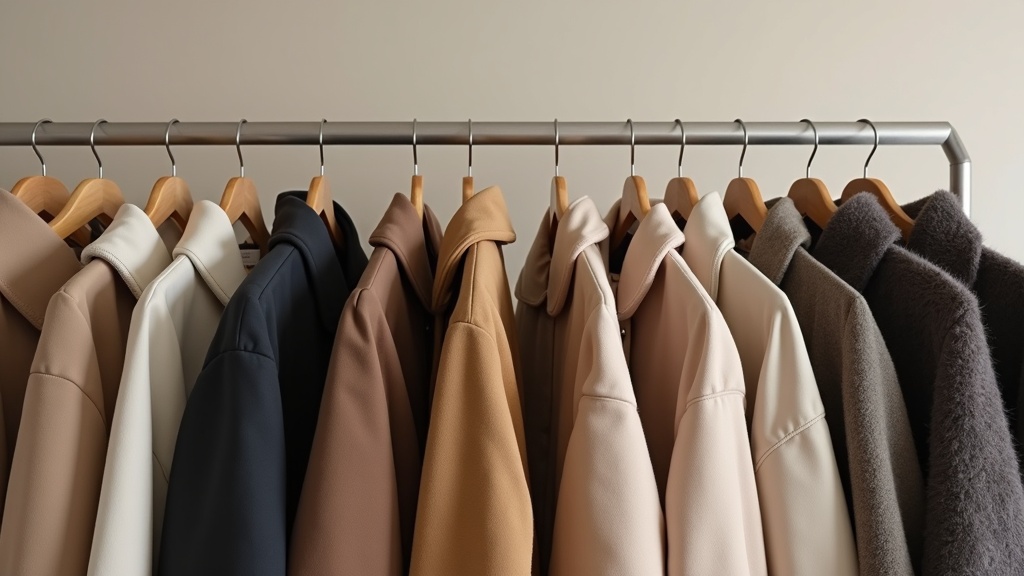
A good winter coat comes down to four things working together: insulation that matches your actual climate, a shell fabric that blocks wind and moisture, a fit that allows layering without gaps, and construction details like cuffs, hoods, and zippers that hold up over years of use. Skimping on any one of these usually means either shivering through January or sweating through a coat that’s overbuilt for where you live. The rest of this guide walks through each factor so you can shop by function rather than by label.
Start with insulation type
Insulation is what actually traps warm air, and there are two main camps: down and synthetic fill. Down (goose or duck) offers excellent warmth for its weight and compresses well, but it loses much of its insulating power when wet and takes a long time to dry. Synthetic insulation is heavier for the same warmth but keeps performing reasonably well when damp, which matters if you deal with slush, sleet, or a leaky bus stop roof more than dry powder snow.
If you do go with down, look for a fill power number (the higher, the more loft per ounce) and check whether it’s treated to resist moisture. Fill power alone doesn’t tell you total warmth, though — a jacket with high fill power but a thin overall fill amount can still run cold. Think of fill power as quality of the down and total fill weight as quantity; you want both mentioned, not just one flattering number.
Matching insulation to your climate
- Mild, damp winters: a mid-weight synthetic-fill coat with a water-resistant shell often outperforms down.
- Dry, very cold winters: down or a down-synthetic blend gives you more warmth without excess bulk.
- Mostly indoor-to-car commuting: a lighter insulated coat paired with good layers underneath may be more practical than one heavy “does everything” coat.

Shell fabric and weatherproofing
The outer shell is your first line of defense, and the terms here get used loosely by marketing copy, so it helps to know what they actually mean. “Water-resistant” typically means a coating that beads water for light rain or snow flurries but will eventually soak through. “Waterproof” implies a membrane or heavier coating rated to keep moisture out under sustained exposure, usually described with a hydrostatic head rating on technical outdoor gear. For most everyday winter coats, strong water resistance plus a tightly woven, wind-blocking fabric is enough — full waterproofing is more of a hiking or ski-specific need.
Breathability matters too, even in winter. A coat that blocks wind perfectly but traps every bit of body moisture will leave you clammy the moment you walk briskly or carry stairs at the office. Underarm vents, mesh-lined pockets, or a slightly looser cut around the torso all help manage this without sacrificing warmth.
Fit, length, and layering room
A coat that fits perfectly over a t-shirt will feel tight and restrict circulation once you add a sweater underneath, which actually makes you colder. Try coats on with the kind of layers you’ll realistically wear — a base layer and a midweight sweater is a reasonable test — and check that you can still raise your arms, reach across your body, and sit down without the coat riding up or pulling at the shoulders.
Length is a personal call but has practical effects: hip-length coats are easier to move in and layer under a backpack, while longer coats (mid-thigh or below) trap more warmth around your legs and are noticeably better in wind. If you’re regularly outside for extended periods — waiting for transit, walking a dog, shoveling — the extra coverage of a longer coat usually pays off more than it costs in bulk.
Details worth checking before you buy
- Hood: does it have a drawcord or wire brim to stay in place in wind, and can it fit over a hat?
- Cuffs: adjustable cuffs (velcro or elastic) keep wind and snow from sneaking up your sleeves.
- Zippers: a storm flap or zipper guard behind the main zipper blocks a direct path for cold air.
- Pockets: at least one zippered interior pocket for a phone or wallet is worth prioritizing over decorative exterior pockets.
- Drawcord at the hem: lets you cinch out drafts on windy days.
Construction and care
Stitching quality is easy to check and often overlooked. Look at the seams around the shoulders and pockets — even, tight stitching with no loose threads is a decent proxy for overall build quality, whether the coat carries a well-known name or is a store’s own house label. This is one area where store brand vs. name brand differences genuinely show up: a private-label coat with solid construction can outlast a flashier name at a lower cost, and the reverse is also true, so it pays to inspect the actual garment rather than assume the label settles it.
Also check the care label before you buy, not after. Some insulated coats need special washing or professional cleaning to avoid clumping the fill, which is an ongoing cost most people don’t factor in at the register.
Budget and timing
Winter coat prices vary enormously by insulation type, brand positioning, and features, so treat any number you see as a snapshot rather than a rule. As a rough illustration only, a basic mid-weight coat from a mainstream retailer might land somewhere in the $40-90 range, while a heavier down coat with technical features could run well above that — but these are just examples to set expectations, not current listings, so always check what’s actually posted before assuming a price. If you’re trying to figure out whether a specific tag you’re looking at is genuinely a good price or just marked up and discounted back down, our guide on how to tell if a sale price is actually a good deal walks through the math.
Timing also matters more than people expect. Retailers typically discount winter outerwear heaviest late in the season, once the coldest weeks have passed and shelf space needs to turn over for spring. If you can tolerate buying ahead of next winter rather than reacting to the first cold snap, our breakdown of when winter coats and boots go on clearance covers the general pattern of markdowns so you’re not paying full price out of urgency.
Before you commit, it’s worth a quick pass through our everyday gear and home goods guides for related seasonal buying advice, and if you’re comparing several coats across different stores or sites, a bit of structure helps — see how to comparison shop without wasting hours for a faster way to line up options side by side. Finally, confirm the return policy before buying, especially if you’re ordering online and can’t try the coat on with your usual winter layers first; a generous return window is genuinely part of the value, not a minor detail.
Frequently asked questions about winter coats
What’s the warmest type of winter coat insulation?
Down generally offers the best warmth-to-weight ratio for dry, cold climates, while synthetic insulation holds up better in wet or humid conditions. Neither is universally “warmest” — the right choice depends on your typical weather more than the insulation type alone.
How do I know what coat size to buy for layering?
Try the coat on over the layers you’ll actually wear underneath, not just a t-shirt. You should be able to move your arms freely and sit comfortably; if it feels snug in the store with light layers, it will likely feel restrictive once winter clothing is added.
Is a waterproof coat necessary for everyday winter wear?
Not usually. Strong water resistance plus a tightly woven, wind-blocking shell is enough for typical commuting and errands; full waterproofing is mainly useful for prolonged outdoor exposure like hiking or skiing.
When is the best time of year to buy a winter coat?
Late winter, once the coldest stretch has passed, is when retailers commonly mark down outerwear heaviest to clear seasonal stock. Buying ahead for the following year often means better selection and pricing than shopping during the first cold snap.
Do more expensive winter coats actually last longer?
Not automatically — price often reflects brand positioning as much as build quality. Checking seam stitching, zipper quality, and fill details in person (or in product photos and descriptions) is a more reliable indicator of durability than price alone.
Shopper Marts publishes general shopping and buying information, not financial advice, and we are not a retailer. We do not verify real-time prices, stock, or sale terms — always confirm current price, availability, and return policy directly with the seller before buying. Product categories, not specific real brands or models, are discussed unless otherwise noted, and nothing here is a guarantee of price or performance.