
The lowest overall prices on school supplies typically show up in two windows: the early-summer clearance of the previous year’s stock in June, and the heavy promotional push retailers run from mid-July through the first two weeks of August. Basic paper goods, pens, and folders tend to be cheapest during those weeks, while items tied to grade-specific requirements or backpacks and electronics often hold steadier prices until closer to the first day of school, when convenience — not discounting — drives demand. Waiting past that window usually means paying closer to full price simply because selection has thinned out.
Why school supply prices move the way they do
Retailers treat back-to-school as one of the biggest promotional seasons of the year, second only to the winter holidays for many categories. That means pricing is deliberately staged: loss-leader basics appear early to pull shoppers into stores, mid-tier bundles get promoted through the middle of the season, and by late August what’s left on shelves is often the odds-and-ends nobody grabbed during the big push — sold at whatever price is left, which is rarely the lowest one. Understanding that rhythm is really just an exercise in deal timing, and it follows the same seasonal logic covered across the site’s deal timing and sales calendars coverage: categories go on sale when stores need to move volume, not when shoppers happen to need the item most.
Supply chains also play a role. Basic paper products and writing instruments are commodity goods with thin margins, so stores use them as traffic drivers early in the season. Items with more specialized demand — a particular calculator model required for a math class, a backpack sized for a specific age group — see less aggressive discounting because there’s less competitive pressure to move them fast.
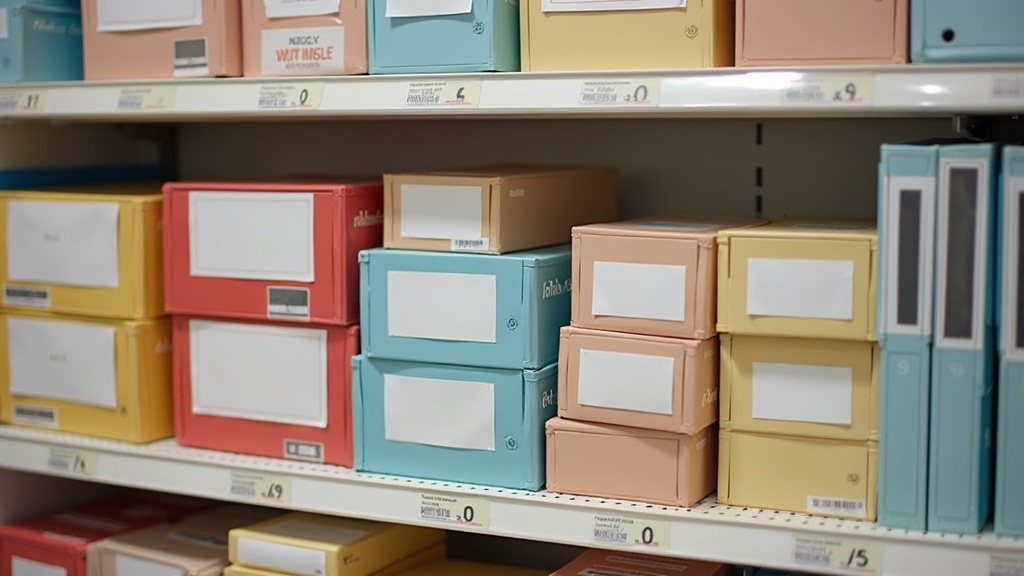
A general timing map for common categories
No two households need the exact same list, but most back-to-school shopping falls into a handful of categories that behave differently price-wise. The table below is a general pattern, not a guarantee for any specific year or retailer.
| Category | Typical low-price window | Why |
|---|---|---|
| Basic paper, pens, glue, folders | Mid-July through early August | Used as loss leaders to drive store traffic |
| Backpacks and lunch bags | Late July, before styles sell out | Moderate discounting, but popular sizes/colors disappear fast |
| Calculators and basic electronics | Early August, sometimes tied to tax-holiday weekends | Bundled promotions rather than deep individual discounts |
| Laptops and tablets for school | Late summer clearance or back-to-school bundles; sometimes better around November | Higher price point means retailers compete on bundled extras, not just price |
| Clothing and shoes for the school year | Overlaps with end-of-summer clearance in August | Seasonal apparel turnover independent of school calendar |
If a laptop is on this year’s list, it’s worth treating that purchase separately from the pencil-and-folder run. Laptops carry enough of a price tag that comparison shopping matters more than grabbing the first back-to-school bundle you see — the guide on what to look for when buying a laptop for everyday use walks through the specs that actually matter so a “back-to-school special” doesn’t end up being an underpowered machine at a regular price.
Buy early for staples, buy strategically for the rest
Because basic supplies are shelf-stable and cheap relative to everything else on a list, they’re one of the easiest categories to stock up on early without risking waste. A reasonable approach: buy a year’s worth of pencils, notebooks, and folders during the early promotional window, then hold off on anything grade- or teacher-specific until an actual supply list is published, since buying the wrong notebook size or the wrong calculator model just means a second trip. The same stockpiling logic that applies to household paper goods and pantry basics applies here — the piece on what household staples are worth stockpiling covers how to tell the difference between items that save money in bulk and items that just tie up cash and shelf space.
Backpacks are a slightly different case. They’re durable goods meant to last more than one school year, so the buying decision is less about timing a single sale and more about picking something that survives daily use — a look at what matters when buying a backpack for daily use is worth doing before the discount window even opens, so you know what to look for once prices drop rather than shopping on price alone.
Comparison shopping still matters more than the calendar
Timing is only half the equation. Two stores running “back-to-school sales” in the same week can still price identical items differently, and a listed discount off a regular price isn’t automatically a good deal if that regular price was inflated to begin with. Before buying in volume, it’s worth a quick price check across a couple of retailers — the practices covered in comparison shopping and price tracking apply just as well to a stack of folders as they do to a television. Digital coupons, store loyalty pricing, and cashback offers can also stack with a seasonal sale price, and the differences between digital coupons and paper coupons are worth knowing before assuming one format is automatically better than the other.
For anyone building out a broader household shopping routine around seasonal buying windows, the smart shopping guide hub ties deal timing, comparison shopping, and coupon stacking together into a single approach rather than treating each purchase as its own decision.
What tends to go wrong with the timing
The most common mistake isn’t shopping too early — it’s waiting for a “better deal” that never really materializes because the deepest discounts on basics already happened weeks earlier. By the final week before school starts, remaining inventory is often picked over, and stores have less incentive to discount items that are already moving out the door due to last-minute demand. The second most common mistake is over-buying specialty items — a particular binder size or folder color — based on early sale pricing before confirming what’s actually required, which just creates returns or unused supplies later.
Frequently asked questions about back-to-school supply timing
When do school supplies go on sale each year?
Most of the deepest promotional activity runs from mid-July through the first two weeks of August, with an earlier clearance window on leftover stock sometimes appearing in June. Exact timing shifts by retailer and region, so it’s worth checking current listings rather than assuming a fixed date.
Is it cheaper to buy school supplies in July or August?
Basic supplies like paper, pens, and folders are commonly cheapest in mid-to-late July as stores compete for early back-to-school traffic. Backpacks, shoes, and electronics sometimes see additional promotions into early August, but selection narrows the longer you wait.
Should I buy school supplies in bulk to save money?
Shelf-stable basics like notebooks and pencils are reasonable to buy a year’s supply of during a low-price window, since they don’t expire and get used regardless. Grade-specific or teacher-required items are riskier to bulk-buy early since requirements can vary by classroom.
What’s the best time to buy a laptop for school?
Back-to-school season is one common discount window, but laptops sometimes see comparable or better pricing during other retail sale periods later in the year. It’s worth comparing a back-to-school bundle against general pricing before assuming the seasonal tag means the best available deal.
Do school supply prices go up closer to the first day of school?
Not always in a strict percentage sense, but effective prices often rise because deep discounts end and popular sizes, colors, or models sell out, leaving only regular-priced or less desirable stock. Shopping earlier in the season generally means better selection at better prices.
Shopper Marts publishes general shopping and buying information, not financial advice, and we are not a retailer. We do not verify real-time prices, stock, or sale terms — always confirm current price, availability, and return policy directly with the seller before buying. Product categories, not specific real brands or models, are discussed unless otherwise noted, and nothing here is a guarantee of price or performance.