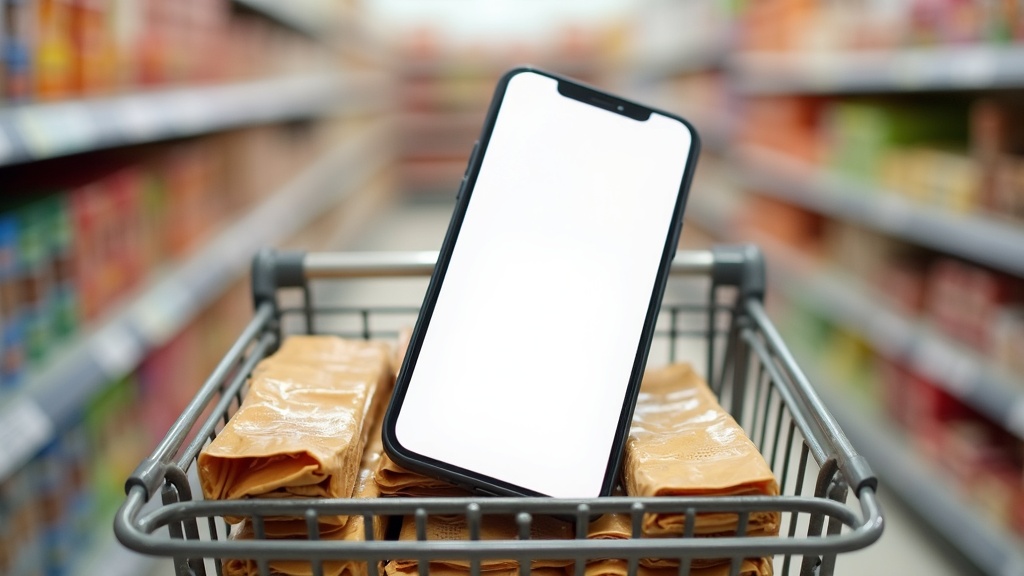
Paper coupons haven’t disappeared, but digital coupons have become the default at most grocery and retail chains — loaded straight to a loyalty account or app instead of clipped and carried. The biggest changes are how discounts are distributed (fewer inserts, more app-based offers), how they stack with sales, and how much personal shopping data retailers now collect in exchange for the savings. Neither format is universally better; they just fit different shopping habits.
Why paper coupons became less common
Newspaper circulation dropped for years, and Sunday coupon inserts went with it. Manufacturers shifted marketing budgets toward digital channels because they’re cheaper to distribute and easier to track — a company can see exactly how many people loaded an offer and how many redeemed it, something a printed insert never revealed. That data feedback loop is a big part of why digital took over so quickly.
Paper coupons still show up in mailers, in-store tear pads, and product packaging, but they’re now the exception rather than the main event. Some shoppers still prefer them because they don’t require an account, an app, or a smartphone at checkout — a real consideration for people who shop with limited data plans or who simply don’t want another app tracking their habits.

What digital coupons actually changed
Personalization
Paper coupons were the same for everyone who picked up the same insert. Digital offers are increasingly personalized based on purchase history — two shoppers scrolling the same app on the same day may see different discounts on different items. This can work in your favor if you’re a regular customer, but it also means the “deal” you see isn’t necessarily the best one available to anyone.
Stacking rules got more complicated
Combining a manufacturer coupon with a store sale used to be straightforward: clip, present, done. Digital systems often have their own logic about what stacks with what, and some retailers cap how many digital offers apply to a single transaction. If you’re trying to combine loaded offers with a sale price or a separate discount, it’s worth reading our guide on stacking coupons and store sales without breaking rules before you assume everything will apply at checkout.
Expiration and clipping deadlines
Paper coupons had one expiration date printed on them. Digital coupons often have two deadlines — a “clip by” or “load by” date and a separate “use by” date — and missing the first one means the offer disappears from your account even though it hasn’t technically expired yet. This trips up more shoppers than any other digital-coupon quirk.
Redemption tracking and fraud controls
Because every digital redemption is tied to an account, retailers can catch abuse patterns — like the same coupon being used across many accounts — much faster than they could with paper. That’s generally good for honest shoppers, since it keeps prices from being padded to cover fraud losses, but it also means digital systems are stricter about exact match requirements (size, variant, sometimes even flavor) than a cashier eyeballing a paper coupon ever was.
Where paper coupons still hold an edge
- No account required. Paper coupons don’t ask for an email, phone number, or loyalty sign-up, which matters to shoppers who’d rather not be tracked or marketed to.
- Easier to give away or trade. You can hand a paper coupon to a neighbor; a digital offer tied to your account usually can’t be transferred.
- Works with spotty signal. A printed coupon doesn’t care whether the store’s Wi-Fi or your data connection is working at checkout.
- Some manufacturer coupons are still paper-only, particularly on items with lower overall sales volume where a digital campaign isn’t cost-effective for the brand.
Where digital coupons win
- Automatic application. Loaded coupons apply themselves at checkout — no fumbling for a printout, no forgetting it at home.
- Often larger volume of offers. Apps typically carry more active offers at once than a weekly insert ever could.
- Combine with cashback. Many digital ecosystems now link coupon offers with cashback or rewards points in the same transaction. If you’re weighing whether that’s worth the extra app on your phone, see how cashback apps and browser extensions actually work.
- Easier to audit later. A digital receipt with itemized discounts is easier to review than a paper receipt with a coupon subtotal, if you’re trying to confirm a discount actually applied correctly.
The scam angle: digital changed the risk profile
Fraud didn’t disappear with paper coupons — it just moved. Fake “too good to be true” coupon codes now spread through social media and text messages instead of photocopied inserts, often asking for personal information or app downloads from outside official retailer channels. If a digital coupon promises a steep discount on a full cart of groceries or a name-brand appliance for almost nothing, treat it the way you’d treat a chain letter. Our guide on how to avoid coupon and rebate scams covers the specific red flags worth checking before you enter any personal details.
How to actually use both formats without wasting time
- Check your store’s app first. Many chains now put weekly ad matches, loyalty pricing, and loadable coupons in one place, which is usually worth reviewing alongside our notes on whether store loyalty programs are worth signing up for.
- Keep a small folder of paper coupons for the brands or categories you buy consistently, especially items with lower digital-offer coverage.
- Compare the discounted price against the shelf price of alternatives, not just against the “regular” price listed on the coupon. A coupon can make an already expensive item look like a deal when a store brand without any coupon is still cheaper — a distinction covered in store brand vs name brand: when it matters.
- Don’t let a coupon dictate the purchase. If a sale price plus coupon still isn’t actually a good deal, it isn’t one — see how to tell if a sale price is actually a good deal for a quick way to check.
- Track prices over time rather than reacting to a single coupon alert, using the approach in how price-tracking tools actually work.
When coupons matter most
Coupons — paper or digital — tend to matter most on everyday consumables where the discount is a real percentage of the price: household staples, packaged food, personal care items. They matter far less on big-ticket purchases like appliances, mattresses, or electronics, where the timing of the purchase and the base price you’re comparing against make a bigger difference than a small percentage-off coupon. For those categories, it’s usually more useful to study seasonal patterns — our deal timing and sales calendars hub breaks down when categories like furniture, appliances, and electronics typically see their real markdowns, and the comparison shopping and price tracking hub covers how to confirm a price is actually competitive before you buy.
A quick comparison
| Factor | Paper coupons | Digital coupons |
|---|---|---|
| Personal data required | Usually none | Often tied to loyalty account |
| Personalization | Same offer for everyone | Can vary by shopper |
| Ease of stacking | Simple, cashier-verified | Governed by app/system rules |
| Risk of losing the offer | Lost or forgotten paper | Missed “clip by” deadline |
| Transferable to others | Yes | Rarely |
For a broader look at how coupons, cashback, and rewards programs fit together, the coupons, cashback and rewards hub rounds up related guides in one place.
Frequently asked questions about digital vs paper coupons
Are digital coupons better than paper coupons?
Neither is universally better — digital coupons are more convenient and often more plentiful, while paper coupons don’t require an account or app and are easier to share. Which is “better” depends on how you shop and how comfortable you are with a store tracking your purchases.
Can you still find paper coupons anywhere?
Yes, though less often. Mailers, in-store tear pads, and manufacturer packaging still carry paper coupons, and some brands intentionally keep a paper option for shoppers who don’t use apps or don’t have reliable data access.
Why did my digital coupon disappear before it expired?
Many digital coupons have a separate “clip by” or “load to account” deadline that’s earlier than the actual use-by date. If you didn’t add it to your account before that first deadline, it can vanish from your app even though the printed use-by date hasn’t passed.
Can you combine digital coupons with a store sale?
Sometimes, but rules vary by retailer and by offer — some digital coupons are excluded from sale items, and some apps cap how many offers apply per transaction. Check the specific terms in the app before assuming a coupon and a sale price will stack automatically.
Do digital coupons track my shopping habits?
Generally yes. Digital coupons are usually tied to a loyalty account or app, which lets the retailer see what you buy and tailor future offers accordingly. If that trade-off bothers you, paper coupons or a store’s general sale prices avoid that data link.
Shopper Marts publishes general shopping and buying information, not financial advice, and we are not a retailer. We do not verify real-time prices, stock, or sale terms — always confirm current price, availability, and return policy directly with the seller before buying. Product categories, not specific real brands or models, are discussed unless otherwise noted, and nothing here is a guarantee of price or performance.