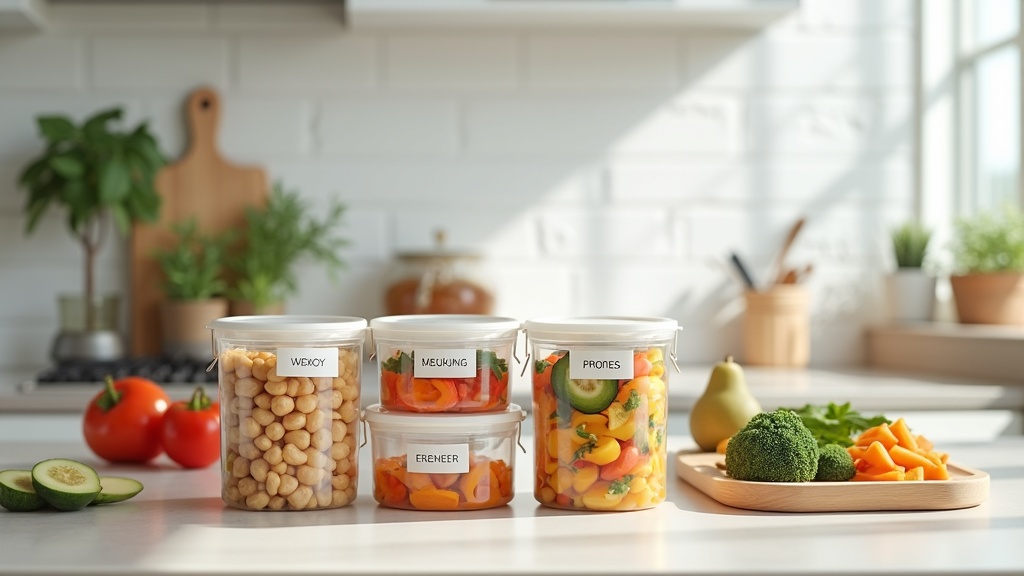
Batch cooking and freezing cuts weekly grocery costs by letting you buy ingredients in larger, cheaper quantities, cook them fewer times with less energy and effort, and avoid the expensive last-minute takeout or convenience-food runs that happen when nothing’s ready to eat. The savings come from three places at once: bulk pricing, less food spoiling before you use it, and fewer impulse purchases made out of hunger or time pressure. Done consistently, it’s one of the more reliable ways to lower a grocery bill without switching stores or hunting for coupons.
Why batching actually saves money
Most grocery overspending doesn’t happen at checkout — it happens earlier, when food goes bad before it’s used, or when a tired weeknight turns into a delivery order. Batch cooking attacks both problems directly. Buying a larger cut of meat, a bigger bag of dried beans, or a family-size tray of vegetables is almost always cheaper per portion than buying small amounts repeatedly, and cooking it all at once means none of it sits in the fridge until it’s unusable.
This approach pairs naturally with the ideas covered in our grocery and household savings hub, since batching is really just meal planning taken one step further — you’re not only deciding what to eat, you’re deciding how to cook it once and stretch it across multiple days or weeks.
The waste factor
Food that spoils before you eat it is money thrown out with the trash. Freezing portions immediately after cooking — rather than hoping you’ll get to leftovers before they turn — is one of the simplest ways to close that gap. If food waste is a recurring issue in your kitchen, it’s worth reading through how to reduce food waste and stretch a grocery budget alongside this guide, since the two strategies reinforce each other.
Building a batch-cooking routine that fits real life
You don’t need a full Sunday devoted to meal prep for batching to work. A more realistic approach is to pick one or two “cooking sessions” a week and treat them as the anchor for several meals rather than a single dinner.
- Start with a base protein. Roast a large tray of chicken thighs, simmer a pot of beans, or brown a big batch of ground meat, then split it into portions before freezing.
- Cook grains and starches in bulk. Rice, pasta, and roasted potatoes all freeze reasonably well and reheat faster than cooking from scratch each night.
- Prep components, not just full meals. Frozen chopped onions, cooked shredded chicken, or a base tomato sauce can be mixed into several different dinners rather than locking you into one recipe repeated four times.
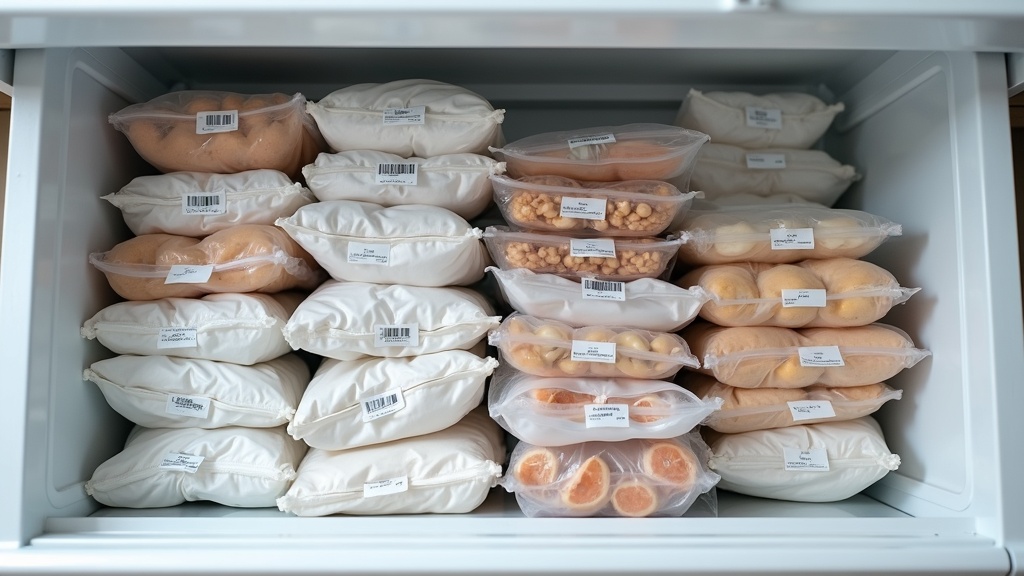
- Label everything with the date and contents. A freezer full of unlabeled bags is how good intentions turn into forgotten, wasted food.
This kind of structure fits naturally with the ideas in meal planning basics for cutting the grocery bill, since batching works best when it’s tied to a rough weekly plan rather than done randomly.
What to buy bigger, and what to leave alone
Not everything benefits from bulk buying and freezing. Meat, poultry, beans, soups, stews, sauces, and baked goods generally freeze and reheat well. Items with high water content — lettuce, cucumbers, and some fresh herbs — tend to turn limp or watery after thawing and are usually better bought in the quantity you’ll actually use fresh.
Buying in larger quantities also pairs well with seasonal timing. Produce and even some proteins tend to be cheaper at certain points in the year, and stocking up then to cook and freeze in batches can compound the savings. Our guide on buying in season and how much it really saves goes into more detail on when specific categories tend to be cheaper.
Portioning for your household
Batch cooking looks different depending on how many people you’re feeding. A household of four can freeze large casserole-style portions; someone cooking for one or two benefits more from individually wrapped, single-serving portions that reheat quickly without leftovers piling up again. If that’s your situation, it’s worth pairing this approach with the strategies in how to grocery shop for one or two without overspending, since over-buying for a small household can erase the savings batching is supposed to create.
Storage matters as much as the cooking
Freezer burn, cracked containers, and food that ends up an unidentifiable brick are the most common reasons batch cooking fails to save money in practice. A few habits make a real difference:
- Use flat, stackable containers or freezer bags pressed flat before freezing — they take up less space and thaw more evenly.
- Leave a small amount of headspace in liquids like soups and sauces, since they expand as they freeze.
- Cool food fully before sealing it to reduce ice crystals and freezer burn.
- Keep a running list — on paper or your phone — of what’s in the freezer so nothing gets forgotten in the back.
Reliable cookware also plays a role here, since pots and pans that hold up to repeated large-batch cooking will save you money over time compared to replacing thin, low-quality cookware every year or two. If you’re due for an upgrade, our guide to choosing cookware that will actually last covers what to look for.
Fitting batching into a broader grocery budget
Batch cooking works best as one piece of a wider grocery strategy rather than a standalone trick. It complements a written spending plan, since knowing roughly how much you want to spend per week makes it easier to decide when bulk buying actually makes sense versus when it’s just accumulating stock you don’t need. If you haven’t built one yet, how to build a grocery budget that actually works is a useful starting point, and the broader grocery budgeting and meal planning archive has additional strategies for trimming weekly spending without feeling deprived.
A simple weekly rhythm
| Day | Task |
|---|---|
| Weekend | Check freezer inventory, plan meals around what’s already made, buy ingredients for the next batch |
| Cooking session (1-2 hrs) | Cook proteins, grains, and sauces in bulk; portion and label |
| Weeknights | Reheat, add fresh sides, adjust seasoning as needed |
| Midweek check-in | Use up any fresh produce before it turns, rotate older freezer items forward |
Frequently asked questions about batch cooking and freezing
How long can you keep batch-cooked food in the freezer?
Most cooked meals, soups, and proteins hold quality well for two to three months in a standard freezer, though they generally remain safe to eat longer if kept consistently frozen. Quality — texture and flavor — tends to decline before safety becomes an issue, so labeling with dates helps you use older batches first.
Does batch cooking really save money if I still buy the same groceries?
Yes, mainly by reducing waste and cutting down on convenience or takeout purchases made when nothing’s ready to eat. The grocery bill itself may look similar, but less food gets thrown out and fewer emergency meal purchases happen, which is where most of the real savings show up.
What’s the best way to reheat frozen batch-cooked meals?
Thawing overnight in the refrigerator before reheating on the stove or in the oven usually preserves texture better than microwaving from frozen, though a microwave works fine for soups, stews, and rice. Adding a splash of water or broth when reheating helps prevent dried-out results.
Can you freeze meals in glass containers safely?
Many glass containers are freezer-safe, but check the manufacturer’s guidance first, since not all glass is rated for freezer temperatures and rapid temperature changes can cause cracking. Leaving headspace for expansion and letting containers cool before freezing reduces the risk of damage either way.
How much freezer space do I actually need for batch cooking?
A standard refrigerator freezer can handle light batching — a few meals’ worth at a time — while more ambitious batch cooking usually benefits from a separate chest or upright freezer. If you’re weighing that purchase, our guide to choosing a refrigerator size for your household covers related capacity considerations.
Shopper Marts publishes general shopping and buying information, not financial advice, and we are not a retailer. We do not verify real-time prices, stock, or sale terms — always confirm current price, availability, and return policy directly with the seller before buying. Product categories, not specific real brands or models, are discussed unless otherwise noted, and nothing here is a guarantee of price or performance.