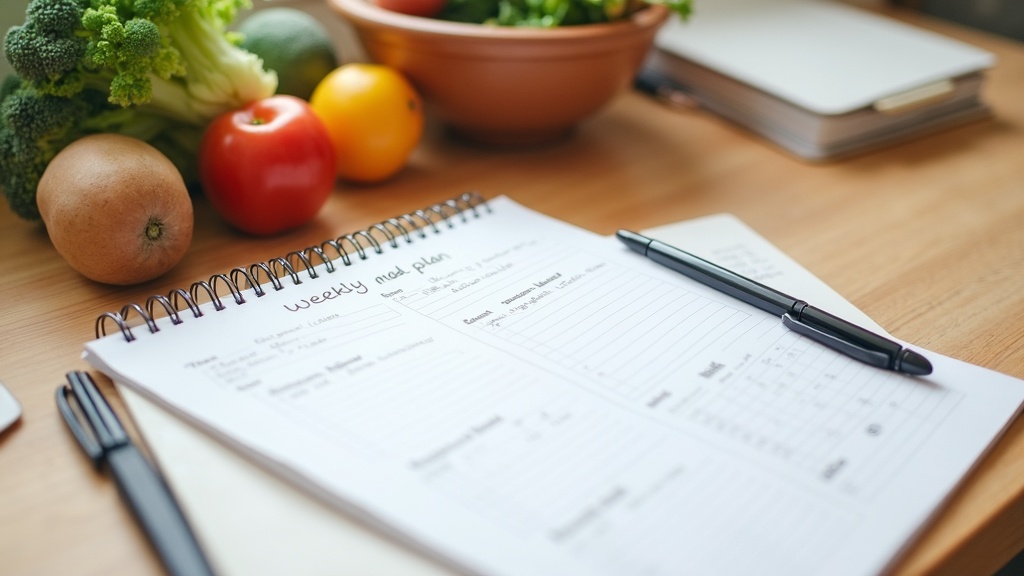
Meal planning cuts grocery bills by reducing impulse buys, food waste, and the number of times you shop each week. The core method is simple: check what you already have, plan meals around sales and overlapping ingredients, build a specific list from that plan, and stick to it at the store. Done consistently, this habit alone can trim a noticeable chunk off a household’s monthly food spending without any coupons or apps involved.
It sounds almost too basic to matter, but grocery spending tends to leak out through small, repeated decisions — a takeout order because nothing was thawed, a second trip for one missing ingredient, produce that rotted in the crisper. A plan closes those gaps. This guide walks through the mechanics so you can build a routine that fits your household instead of a rigid system you’ll abandon in two weeks.
What meal planning actually saves you money on
People often assume meal planning is about finding cheaper recipes. That’s part of it, but the bigger savings usually come from three quieter sources: fewer wasted ingredients, fewer emergency store runs (where impulse buys and convenience markups pile up), and better use of what’s already on sale or already in the freezer. If you’re still working out your overall monthly number, it helps to first pair this habit with a realistic framework — see how to build a grocery budget that actually works — so you know what “cutting the bill” should actually look like for your household size and eating habits.
Start with what’s already in your kitchen
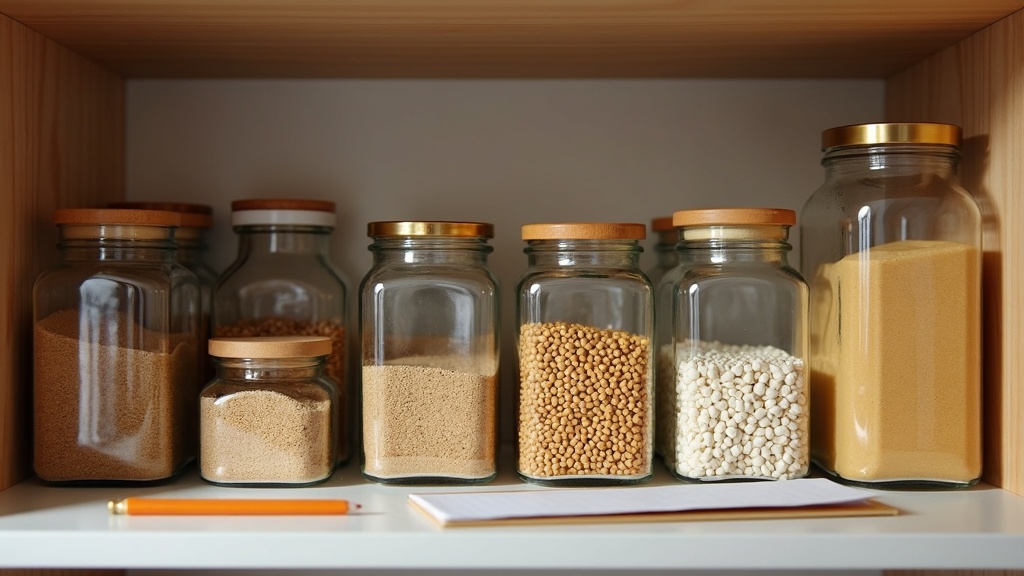
Before writing a single meal idea, open the pantry, fridge, and freezer and take real stock. This step gets skipped constantly, and it’s the one that prevents the most waste. Look for:
- Proteins nearing their use-by date that need to be cooked this week
- Produce that’s starting to soften and should be used first
- Half-used bags of grains, pasta, or beans that can anchor a meal
- Sauces, spices, or canned goods you forgot you had
Build the first two or three meals of your week around these items. This is the single fastest way to lower a grocery bill, because you’re not paying twice for food that was already purchased and is now heading to the trash.
Build a loose weekly framework, not a rigid menu
Rigid day-by-day menus (“Monday: chicken stir-fry, Tuesday: tacos”) tend to fall apart the first time plans change, and a broken plan usually ends with a takeout order. A looser framework holds up better: pick 4-6 meals for the week without assigning them to specific days, and let the household choose based on energy level, schedule, or what needs to be cooked soonest. Within that framework:
- Choose at least two meals that share a main ingredient (a roast chicken one night, chicken soup or salad later using the leftovers)
- Plan one “flexible” meal that can absorb whatever produce is closest to spoiling
- Keep one low-effort backup meal in the freezer for the night nothing goes as planned
Overlapping ingredients across two or three meals — one bag of onions, one bunch of herbs, one protein cooked two ways — is where a lot of the real savings sits, because you’re buying fewer separate items and using more of each package before it spoils.
Shop with a list organized by store layout, not by recipe
Once the meals are loosely set, build the actual shopping list from your pantry check and your meal ideas together, so you’re not buying something you already have. It helps to organize the list by store section (produce, dairy, pantry, freezer) rather than by recipe, since that reduces backtracking through the store — and backtracking is exactly when impulse items land in the cart. If you shop at more than one store for different categories, a quick read on how to comparison shop without wasting hours can help you decide which trips are actually worth the extra stop and which aren’t.
At the shelf, compare package sizes by their per-unit cost rather than the sticker price alone — a larger package isn’t automatically cheaper per ounce, and reading unit prices to compare package sizes fairly is a habit worth building once and using every trip after. It’s also worth deciding ahead of time where store brands make sense; for staples like flour, canned tomatoes, or frozen vegetables the difference is often negligible, and store brand vs name brand: when it matters walks through where the gap actually shows up versus where it doesn’t.
A simple weekly planning checklist
- Check pantry, fridge, and freezer for items to use first
- Pick 4-6 loose meal ideas, overlapping ingredients where possible
- Build the shopping list by store section from the plan plus staples
- Set a rough spending target before you go, based on your overall budget
- Shop the list, checking unit prices on anything you’re unsure about
Batch cooking and freezer use
Cooking larger portions of a base ingredient — a big pot of rice, a tray of roasted vegetables, a batch of ground meat seasoned simply — and splitting it across two or three meals during the week reduces both cooking time and the number of separate ingredients you need to buy. Freezing portions of meals you’ve already made also gives you a built-in backup for busy nights, which keeps you from defaulting to delivery. A reliable freezer matters here more than people expect; if yours is undersized or unreliable, it’s worth reviewing what actually affects performance before replacing one, covered in guides under home and appliance buying guides.
Watch for sales, but don’t plan around them exclusively
Grocery sales on meat, produce, and pantry staples follow patterns tied to seasons and supply, and it’s reasonable to shift a week’s meals toward whatever category is currently discounted. But building an entire plan around a sale price only pays off if you were going to use that ingredient anyway — buying five pounds of something on sale that ends up wasted isn’t a saving. Before assuming a discounted price is actually a good deal, it’s worth checking it against the store’s normal range rather than the sale tag alone; how to tell if a sale price is actually a good deal covers how to spot markups disguised as markdowns. For the wider category of grocery habits — stockpiling staples, timing bulk purchases, and building a repeatable routine — the grocery budgeting and meal planning section has more on making this sustainable long-term.
Common mistakes that quietly blow up a meal plan
- Planning meals you don’t actually want to cook that week. An ambitious plan that gets abandoned costs more than a simple one that gets followed.
- Buying specialty ingredients for a single recipe. One-off spices or sauces that only work in one dish often go unused after that meal.
- Skipping the pantry check. Buying duplicates of things you already have is one of the most common and avoidable leaks.
- Shopping hungry or without a list. This reliably increases impulse purchases regardless of how good the plan was on paper.
- Treating the plan as permanent. Life changes mid-week; a plan that can’t flex a little just gets thrown out entirely.
Frequently asked questions about meal planning basics for cutting the grocery bill
How much money can meal planning actually save on groceries?
It varies by household, but the savings mostly come from reduced waste and fewer emergency purchases rather than a fixed percentage. Households that consistently plan, shop with a list, and use up what they buy tend to see steadier, lower monthly totals than those shopping trip-by-trip without a plan.
Do I need to plan every single meal for the week?
No. Planning 4-6 core meals with overlapping ingredients, plus flexible staples for the rest of the week, usually works better than a rigid day-by-day menu. A loose framework is easier to stick to and adapts when plans change.
Is meal planning worth it for a single person or small household?
Yes, arguably more so, since smaller households waste a higher proportion of perishable items relative to what they buy. Planning around smaller portions, freezing extras, and choosing recipes that share ingredients helps offset the higher per-unit cost smaller households often pay.
Should I plan meals around store sales each week?
It’s fine to lean toward discounted categories, but only for ingredients you were already planning to use. A sale price only saves money if the food gets eaten; otherwise it just moves the waste earlier in the process instead of preventing it.
What’s the easiest way to start meal planning if I’ve never done it?
Start small: pick three meals for the week, check your pantry first, and write one shopping list organized by store section. Add complexity — batch cooking, freezer meals, ingredient overlap — only after the basic habit feels manageable.
Shopper Marts publishes general shopping and buying information, not financial advice, and we are not a retailer. We do not verify real-time prices, stock, or sale terms — always confirm current price, availability, and return policy directly with the seller before buying. Product categories, not specific real brands or models, are discussed unless otherwise noted, and nothing here is a guarantee of price or performance.