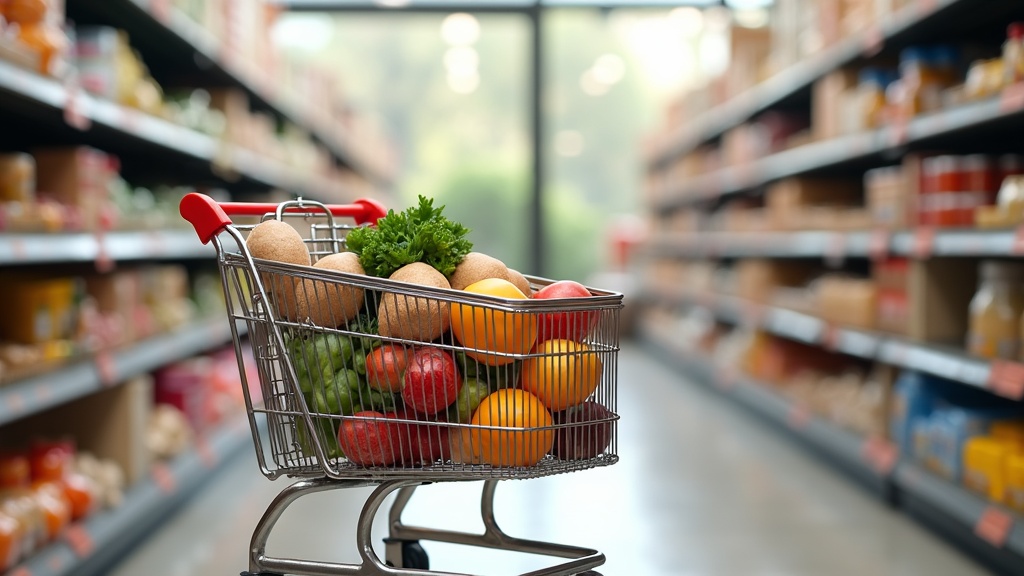
You can spend less at the grocery store without building a rigid list by shopping with a flexible budget number in mind, sticking to a rough meal shape rather than exact recipes, and reading unit prices as you go instead of hunting for specific brands. The savings come from habits and awareness, not from writing down every item in advance. This approach works well for people who find strict lists stressful or who like to shop based on what looks good or is priced well that day.
Why a strict list isn’t the only path to savings
A detailed list is one tool for controlling grocery spending, but it’s not the only one, and it doesn’t work for everyone. Some shoppers find that a fixed list makes them ignore genuinely good in-store finds, or it falls apart the moment one ingredient is out of stock. The alternative is shopping with structure that’s looser: a spending ceiling, a general sense of what meals you’re covering (proteins, a starch, some vegetables, snacks), and a habit of checking prices as you move through the store. This is closer to how experienced budget shoppers actually behave — they’re not memorizing a spreadsheet, they’re reading shelf tags and making quick trade-off decisions.
If you want a deeper dive into building a more formal system later, the grocery and household savings hub covers everything from budgeting frameworks to staple-stocking strategies. But the method below is designed for people who want real savings without that level of planning every single week.
Set a number before you walk in
The single most effective substitute for a list is a spending ceiling. Decide roughly what you’re willing to spend for this trip based on how many days it needs to cover, and keep a running mental (or phone-notes) tally as you shop. This does more to control spending than any list, because a list only tells you what to buy — it doesn’t stop you from buying a pricier version of everything on it. A number keeps you making trade-offs in real time.
Shop the perimeter first, then fill in from the middle
Most stores are laid out with fresh food — produce, dairy, meat, bakery — around the outer edges, and shelf-stable packaged goods in the center aisles. Starting on the perimeter means you’re filling your cart with the things that actually vary in price and quality week to week, while you’re still fresh and not yet tired or distracted. By the time you head into the center aisles for pantry basics, you already know roughly how much you’ve spent and how much flexibility you have left for extras like snacks or specialty items.
This order also naturally limits impulse buying. Center aisles are where end-caps, eye-level premium brands, and multi-buy displays live. Hitting them last, after your cart already has real food in it, makes it easier to be selective.
Let what’s priced well shape the meal, not the other way around
Instead of shopping for a recipe, shop for what’s a good buy that day and build meals around it loosely. If a protein, a bag of produce, or a pantry staple looks like a strong price relative to what you’d normally expect to pay, that becomes tonight’s dinner base. This is the core skill of no-list shopping: staying flexible enough that a good price can change your plan, rather than forcing a plan that ignores the price. Over a few months this habit tends to smooth out your spending more than following a fixed recipe list ever does, because you’re always buying into value rather than around it.
Use unit price, not shelf price, to compare
Without a list to anchor you to specific items, unit pricing becomes your main comparison tool. The small print on the shelf tag — cost per ounce, per pound, or per count — lets you compare different sizes, brands, and even store versus name brand honestly. A bigger package isn’t automatically cheaper per unit, and a smaller “value” label doesn’t always mean value. Learning to glance at that number quickly is covered in more detail in this guide to reading unit prices and comparing package sizes fairly, and it’s worth practicing until it becomes automatic.
Unit pricing also protects you from a common trap: assuming a sale sign means savings. A “special” price on a large package can still be worse per unit than an unmarked smaller one. For a broader look at spotting real discounts versus marketing framing, see how to tell if a sale price is actually a good deal.
Store brand vs. name brand, decided aisle by aisle
Rather than deciding in advance to “always buy store brand” or “never buy store brand,” make that call item by item based on what you’re using it for. Store brands tend to be a safe swap for staples like flour, canned goods, or basic dairy, while name brands sometimes matter more for items where taste or texture differences are noticeable to your household. This breakdown of store brand versus name brand walks through where the gap tends to matter and where it usually doesn’t.
Build meals around flexible categories, not fixed dishes
A useful mental substitute for a list is a simple category framework you fill in as you shop:
- A protein — whichever looks like the best value that trip, fresh or frozen.
- A starch or grain — rice, pasta, potatoes, bread, whatever’s cheapest per serving that week.
- Vegetables — a mix of what’s in season or discounted, fresh or frozen.
- A few pantry basics — restocked only when actually low, not automatically every trip.
- One flexible extra — a snack, treat, or convenience item, kept to a set portion of the budget.
This structure gives you enough guidance to avoid random impulse buying, without locking you into specific recipes that fall apart if one ingredient is missing or overpriced that week. For readers who want to combine this with a more formal weekly rhythm, meal planning basics for cutting the grocery bill and how to build a grocery budget that actually works both go into more structured versions of this same idea.
Watch the cart, not just the receipt
Because you’re not checking items off a list, it helps to do a quick visual scan of your cart before checkout. Ask yourself whether anything in there was an impulse grab that doesn’t fit a meal or a real need. This thirty-second habit catches a surprising amount of casual overspending — the extra snack, the second specialty item, the “just in case” purchase — without requiring you to have planned against it in advance.
Timing still matters, even without a list
Grocery stores follow patterns just like other retail categories. Meat and seafood are commonly discounted as sell-by dates approach, produce prices shift with the season, and center-aisle staples often go on promotional cycles tied to holidays or store resets. Paying loose attention to these patterns — without tracking them obsessively — lets you take advantage of genuinely good pricing when you see it. If you want to understand deal cycles more broadly across categories, the deal timing and sales calendars archive and the smart shopping guide hub are useful starting points, and the grocery budgeting and meal planning archive focuses specifically on food spending patterns.
A simple comparison habit for two similar items
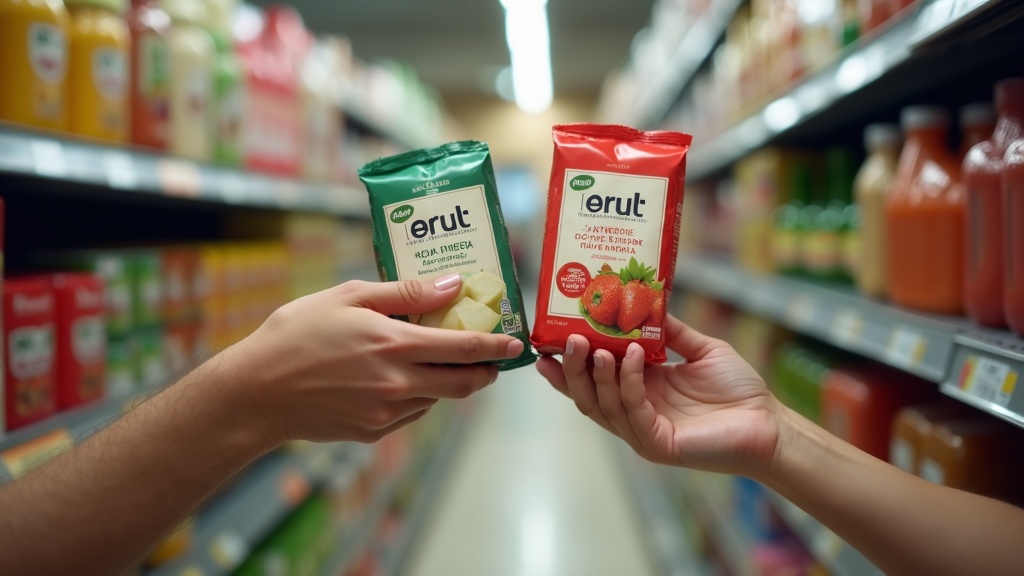
When you’re deciding between two versions of the same product — two brands of pasta sauce, two sizes of a snack — a quick three-part check works almost every time: compare unit price, check the ingredient list only if quality actually matters to you for that item, and decide if the extra cost (if any) buys something you’ll actually notice. This keeps decisions fast, which matters when you’re shopping without a list and need to keep moving.
| Situation | Quick no-list approach |
|---|---|
| Two brands, similar size | Compare unit price, pick the lower one unless quality difference is noticeable |
| Item looks like a strong price today | Build tonight’s meal around it instead of sticking to a plan |
| Cart feels heavier than expected | Scan for impulse items before checkout, remove anything unnecessary |
| Uncertain about a new product | Buy the smallest size first, judge unit price separately from trial cost |
Frequently asked questions about shopping the grocery store without a strict list
How do I grocery shop without overspending if I don’t use a list?
Set a rough spending ceiling before you enter the store and track it loosely as you go. Shop the perimeter first for fresh food, then fill in pantry basics, and scan your cart before checkout to remove anything that doesn’t fit a real meal or need.
Is it cheaper to shop with a list or without one?
A well-planned list can be cheaper if you follow it strictly, but many people abandon lists mid-trip. A flexible budget number combined with unit-price checking often produces similar savings with less stress and more room for genuinely good in-store finds.
What’s the best way to compare prices in the store quickly?
Use the unit price printed on the shelf tag rather than the shelf price itself. It shows cost per ounce, pound, or count, which is the only fair way to compare different package sizes and brands side by side.
Should I always buy store brand to save money?
Not always. Store brands are usually a safe swap for basic staples, but for items where taste or texture differences are noticeable to your household, the name brand may be worth the difference. Decide item by item rather than as a blanket rule.
How can I avoid impulse buying without a list to check off?
Shop the outer edges of the store first, keep a rough spending number in mind, and do a quick scan of your cart before checkout. Most impulse items are easy to spot once you pause and look at what’s actually in the cart.
Shopper Marts publishes general shopping and buying information, not financial advice, and we are not a retailer. We do not verify real-time prices, stock, or sale terms — always confirm current price, availability, and return policy directly with the seller before buying. Product categories, not specific real brands or models, are discussed unless otherwise noted, and nothing here is a guarantee of price or performance.