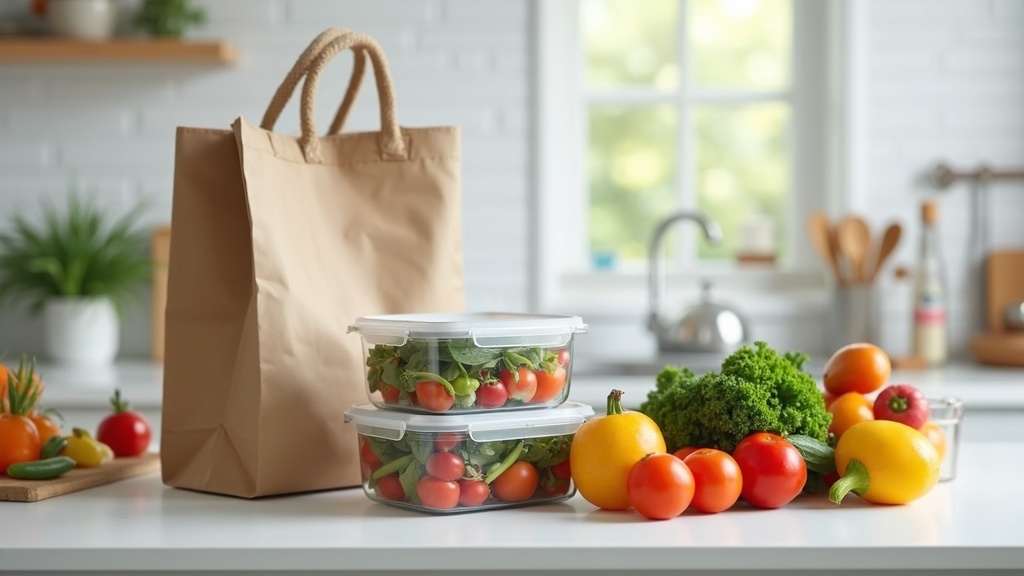
Reducing food waste and stretching a grocery budget comes down to three habits: buying only what you’ll realistically use, storing food so it stays edible longer, and building meals around what’s already in the kitchen before adding anything new. None of this requires fancy equipment or a rigid diet — it’s mostly about small changes to planning, shopping, and storage that add up week over week.
Why Food Waste Quietly Drains Grocery Budgets
Most households don’t waste food on purpose. It happens in small increments — the bagged salad that wilts before it’s touched, the second loaf of bread bought “just in case,” the leftovers pushed to the back of the fridge and forgotten. Individually these losses feel minor, but over a month they can represent a meaningful chunk of a grocery budget that never actually became a meal. If you’re trying to build a budget that holds up in real life, waste reduction belongs right alongside price comparison and meal planning as a core strategy, not an afterthought. The grocery and household savings hub covers this territory in more depth if you want the bigger picture.
Plan Before You Shop, Not While You Shop
The single biggest driver of food waste is buying more than a household can realistically cook and eat before it spoils. A short plan — even a loose one — makes a bigger difference than any specific product choice. Before heading to the store, take five minutes to look at what’s already in the fridge, freezer, and pantry, and build the next few meals around those ingredients first. This is the core idea behind solid meal planning basics for cutting the grocery bill, and it works whether you plan a full week or just tomorrow’s dinner.
It also helps to separate “needs” from “might use.” Perishables like fresh herbs, soft fruit, and pre-cut vegetables should only be bought in quantities matched to a specific planned meal, not general optimism. Shelf-stable staples — rice, canned goods, pasta — carry far less waste risk and can be bought with more flexibility.
Shop With a System
How you move through the store affects how much ends up wasted at home just as much as what you buy. Shopping hungry, shopping without any structure, or grabbing whatever looks appealing in the moment tends to produce more impulse perishables than a household can finish. If you want a deeper look at how store layout and shopping order affect spending, the piece on how to shop the grocery store to spend less walks through practical in-aisle habits.
Comparing package sizes also matters more than it seems. A larger package isn’t automatically the better deal if a portion of it will go bad before it’s used — sometimes the smaller, slightly pricier-per-unit option is the actual money-saver once waste is factored in. Learning to read unit prices to compare package sizes fairly makes this kind of trade-off much easier to spot at the shelf.
Store Brands and Waste
Store brands can help reduce waste-related risk in a different way: because they’re often priced lower per unit, buying a smaller store-brand package to test whether a household will actually use an ingredient carries less financial downside than committing to a larger name-brand size. The guide on store brand vs name brand — when it matters breaks down where the quality gap is negligible and where it’s worth paying more.
Store Food So It Actually Gets Eaten
Buying the right amount is only half the equation — food that’s stored poorly spoils early regardless of how well it was planned. A few habits make a measurable difference:
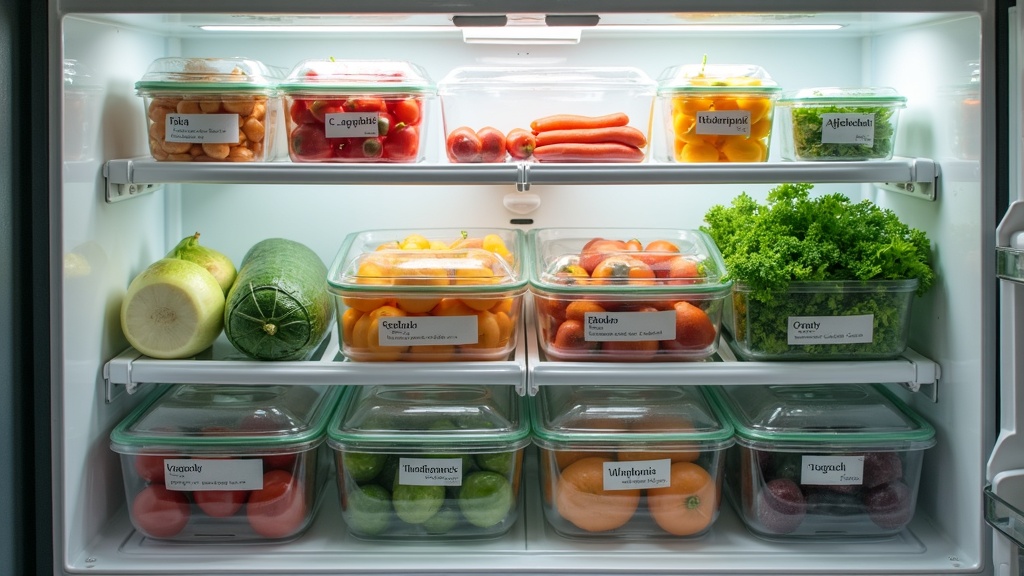
- Front-load the fridge with what needs eating soonest. Move older items to eye level and put newer purchases toward the back, so nothing gets lost and forgotten.
- Separate ethylene-sensitive produce. Some fruits release gases that speed up ripening in nearby produce; keeping certain fruits and vegetables apart can extend freshness by days.
- Use the freezer as a pause button. Bread, meat, shredded cheese, and even some cooked leftovers freeze well and buy extra time when plans change mid-week.
- Keep herbs and delicate greens in water or a damp wrap. A jar of water on the counter or a barely damp towel in a container can double the usable life of fresh herbs and leafy greens.
None of this requires specialty gadgets, though well-organized containers and a fridge that actually keeps consistent temperatures both help. If an aging refrigerator is part of the problem — inconsistent cooling, cramped shelves, or no real crisper control — it may be worth reviewing the guide on choosing a refrigerator size for your household the next time a replacement is genuinely on the table.
Use What You Have Before It Goes Bad
A rotating habit of checking the fridge and pantry a day or two before the next shopping trip catches items that are about to turn. This is where flexible cooking — soups, stir-fries, frittatas, grain bowls — earns its keep, since these formats can absorb odds and ends of vegetables, proteins, and grains that might otherwise be thrown out. Treating “clean out the fridge” as a semi-regular meal, rather than an occasional emergency, keeps waste consistently lower.
Buying produce in season also reduces waste risk, since in-season items are typically fresher when purchased and hold up longer at home, compared to out-of-season produce that’s traveled farther and started aging before it even reaches the shelf. The analysis in buying in season: how much it really saves covers both the cost and freshness angle in more detail.
Track Patterns Over Time
It’s worth periodically noticing what gets wasted most often — a particular vegetable, a certain bread size, a sauce that’s rarely finished — and adjusting future purchases accordingly. This kind of light tracking doesn’t need to be formal; a running note on a phone or a quick weekly glance in the trash and compost bin before it goes out is usually enough to spot a pattern. Building this feedback loop into a broader plan is one of the habits behind a grocery budget that actually works over the long run, rather than one that looks good on paper for a month and then quietly falls apart.
| Common waste source | Typical cause | Simple fix |
|---|---|---|
| Bagged salad greens | Bought in bulk, used slowly | Buy smaller amounts more often, store with airflow |
| Fresh herbs | Bought for one recipe, rest forgotten | Store in water, freeze extras in oil or broth |
| Bread | Full loaf goes stale before finished | Freeze half immediately after purchase |
| Leftovers | Stored but not seen or labeled | Front-of-fridge placement, clear containers |
| Condiments and sauces | Bought for one dish, rarely repeated | Check pantry before buying a new jar |
For a broader library of category-specific strategies, the grocery budgeting and meal planning archive collects related guides on planning, timing, and shopping habits that pair well with a waste-reduction approach.
Frequently asked questions about reducing food waste and grocery budgets
How much money does the average household waste on food?
Estimates vary by household and region, but consumer research consistently finds that a meaningful share of purchased food goes uneaten. Rather than focusing on a single national figure, it’s more useful to track your own household’s patterns and address the specific items you waste most often.
What’s the easiest way to start reducing food waste?
Start by checking the fridge and pantry before every shopping trip and building the next few meals around what’s already there. This single habit reduces duplicate purchases and forgotten perishables more than any specific storage trick or gadget.
Does meal planning actually save money on groceries?
Yes, in most cases, because it reduces impulse purchases and matches quantities bought to meals actually planned, which lowers the amount of food that spoils unused. The savings come less from finding lower prices and more from simply wasting less of what’s bought.
Is it cheaper to buy in bulk or buy smaller amounts?
It depends on whether the household will use the full bulk quantity before it spoils. A lower per-unit price only saves money if the food gets eaten; if a portion is thrown out, a smaller package is often the better financial choice.
How long can leftovers safely stay in the fridge?
General food safety guidance suggests most cooked leftovers are best eaten within a few days when refrigerated properly, though this varies by food type. When in doubt, freezing leftovers promptly is a safer way to extend usability without the same spoilage risk.
Shopper Marts publishes general shopping and buying information, not financial advice, and we are not a retailer. We do not verify real-time prices, stock, or sale terms — always confirm current price, availability, and return policy directly with the seller before buying. Product categories, not specific real brands or models, are discussed unless otherwise noted, and nothing here is a guarantee of price or performance.