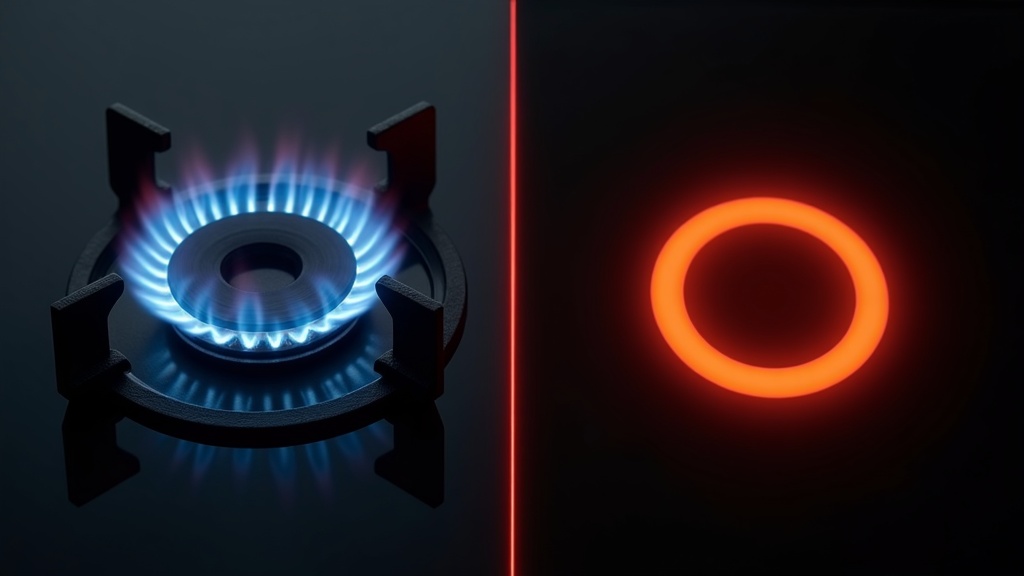
The right choice between a gas and electric range comes down to three things: what kind of hookup your kitchen already has, how you actually cook, and how much you want to spend upfront versus over time. Gas ranges tend to appeal to cooks who want instant, adjustable flame control, while electric ranges — especially newer induction and smooth-top models — often win on even heating, easier cleaning, and installation simplicity. If your kitchen isn’t already plumbed for gas, that alone may settle the question before preference even enters the picture.
Start with what your kitchen can actually support
Before comparing burner performance or price tags, check what your home is set up for. A gas range needs an existing gas line or the cost of running one, plus local code compliance and possibly a permit. An electric range needs a dedicated 240-volt outlet, which many kitchens already have if a previous range was electric, but which older homes sometimes lack. Converting either way — gas to electric or electric to gas — usually means an electrician or plumber visit, and that installation cost can rival or exceed the price difference between the appliances themselves. This is worth sorting out first, because it can eliminate one option entirely regardless of which you’d otherwise prefer.
Cooking performance: where each one shines
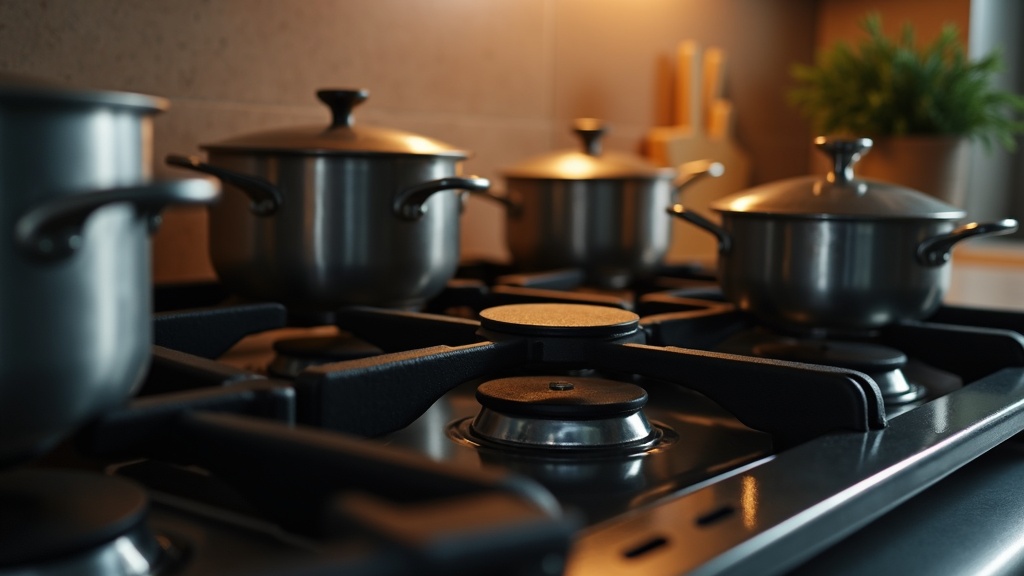
Gas ranges give you visual, immediate control — turn the dial and the flame responds instantly, which many cooks like for searing, wok-style cooking, or quickly dropping heat to avoid scorching. The tradeoff is that gas burners can heat unevenly across a pan’s surface, and open flame means more stray heat and, for some households, more concern about indoor air quality from combustion byproducts.
Electric ranges, particularly coil and smooth glass-top models, distribute heat more evenly once they reach temperature, but they’re slower to heat up and slower to cool down, which can mean more trial and error avoiding overcooked sauces. Induction ranges — a newer electric subtype — heat cookware directly through a magnetic field rather than heating the surface itself, giving you gas-like responsiveness with electric-style safety and easy cleanup, though they require magnetic (usually cast iron or certain stainless) cookware to work at all.
A quick side-by-side
| Factor | Gas Range | Electric Range (coil/smooth-top) | Induction |
|---|---|---|---|
| Heat control | Instant, visual | Slower response | Instant, precise |
| Even heating | Can vary across pan | Generally even | Very even |
| Cookware needed | Any | Any flat-bottom | Magnetic only |
| Cleanup | Grates, spills between burners | Smooth surface easier; coils trickier | Very easy, cool-to-touch surface |
| Install requirement | Gas line | 240V outlet | 240V outlet |
| Works in power outage | Often yes (with manual ignition) | No | No |
Upfront cost versus running cost
Purchase prices for gas and electric ranges overlap heavily depending on features, finish, and brand tier — a basic model in either fuel type might land in a modest range, while a high-feature convection or induction unit runs considerably more; a mid-range option in either category might run somewhere in the low-to-mid hundreds band, but check current listings since pricing shifts with materials costs and season. What differs more is ongoing utility cost, and that depends entirely on your local gas and electricity rates, which vary widely by region and season. Neither fuel type is reliably cheaper to run everywhere, so it’s worth checking your own utility’s rate comparisons rather than assuming.
If you’re weighing a range purchase against other big-ticket kitchen decisions, it helps to look at appliance shopping as a whole rather than one item at a time. The Home & Appliances Buying Guides hub covers related decisions like refrigerator sizing and washing machine features that often get replaced around the same renovation cycle, and understanding when appliances are typically discounted can help you time the purchase regardless of which fuel type you land on.
Maintenance and lifespan considerations
Gas ranges have more moving mechanical parts — igniters, burner valves, and pilot components on older units — which can mean more occasional repairs but often simpler, less expensive fixes. Electric ranges, especially smooth-top and induction models, have fewer mechanical parts to fail but repairs to the heating elements or control boards can be pricier when they do occur. Either way, it’s worth comparing what’s actually covered before you buy. A guide on how to compare warranties before buying an appliance is useful here, since coverage terms for gas versus electric units sometimes differ in what’s included for parts labor and how long coverage lasts.
Cleaning habits matter too. Gas grates and burner caps need to be removed and scrubbed regularly to avoid clogged flame ports, while smooth electric and induction tops wipe down quickly but can show scratches over time if abrasive cleaners are used. If you cook frequently with heavy pots or cast iron, that’s worth weighing against a glass surface’s scratch sensitivity.
Buying open-box, floor-model, or discounted units
Ranges are bulky, so retailers frequently discount floor models, discontinued colors, or units with minor cosmetic dings to clear space for new inventory — often around major shopping holidays or when new model years arrive. Before buying a discounted or open-box range, run through a proper checklist: confirm the fuel type matches your kitchen’s hookup, check that all knobs, igniters, and racks are present, and ask whether the manufacturer’s warranty still applies to a floor model. The open-box and floor-model deals checklist walks through exactly what to verify before signing off on a discounted appliance, and it applies just as well to ranges as it does to other large purchases.
It’s also smart to understand the store’s return window before delivery, since a range that doesn’t fit your existing cabinet cutout or gas line position can be a costly mistake to unwind. The guide on how return policies should factor into buying covers the kinds of questions to ask about restocking fees, return windows on installed appliances, and who covers return shipping or removal.
Comparison shopping without overpaying
Because gas and electric ranges span such a wide price spread depending on finish, oven capacity, and added features like convection or self-cleaning, it pays to compare listings across a few retailers rather than buying from the first one you see. Tools that track price history can flag whether a “sale” price is actually lower than the unit’s typical price or just a relabeled list price — a distinction covered in detail in how price-tracking tools actually work. And if you’re deciding whether a discount is genuinely worth acting on now versus waiting, how to tell if a sale price is actually a good deal breaks down the signals worth checking before you commit.
If you’re short on time, you don’t need to check every retailer manually. The article on how to comparison shop without wasting hours outlines a faster way to narrow choices for big appliances like ranges without spending a whole weekend on it. For broader timing patterns across categories, the Deal Timing & Sales Calendars archive and Comparison Shopping & Price Tracking archive are worth bookmarking.
Rewards, cashback, and stacking savings
Large appliance purchases are also a good moment to think about how you’re paying, not just what you’re paying. Certain credit cards offer elevated rewards on home improvement or appliance purchases, which the piece on how credit card rewards categories actually add up explains in more detail, and cashback browser extensions sometimes apply to appliance retailers as well — see how cashback apps and browser extensions work for how those tools function behind the scenes.
Frequently asked questions about choosing a gas or electric range
Is gas or electric cheaper to run?
It depends entirely on your local utility rates for gas versus electricity, which vary by region and season. Neither fuel type is consistently cheaper everywhere, so check your own utility’s current rate comparison rather than assuming one is automatically less expensive to operate.
Can I switch from electric to gas without a major renovation?
Switching fuel types usually requires running a new gas line, adding proper ventilation, and possibly permits, which a licensed plumber or contractor needs to handle. It’s rarely a simple swap, so factor in that installation cost when comparing the appliance price itself.
Do induction ranges count as electric?
Yes, induction ranges run on electricity and require the same 240-volt outlet as standard electric ranges, but they heat cookware directly through magnetic energy rather than heating the surface. That means only magnetic, flat-bottomed cookware works properly on an induction cooktop.
Which is safer, gas or electric?
Both are considered safe when properly installed and maintained, but gas involves open flame and combustion byproducts, while electric smooth-tops and induction stay cooler to the touch and avoid indoor combustion concerns. Each has different safety considerations worth discussing with a qualified installer for your specific home.
Will a gas range work during a power outage?
Many gas ranges with standing pilot lights or manual ignition can still light burners during a power outage, though models with electronic ignition may not. Electric and induction ranges will not function at all without power, which is worth considering if outages are common in your area.
Shopper Marts publishes general shopping and buying information, not financial advice, and we are not a retailer. We do not verify real-time prices, stock, or sale terms — always confirm current price, availability, and return policy directly with the seller before buying. Product categories, not specific real brands or models, are discussed unless otherwise noted, and nothing here is a guarantee of price or performance.