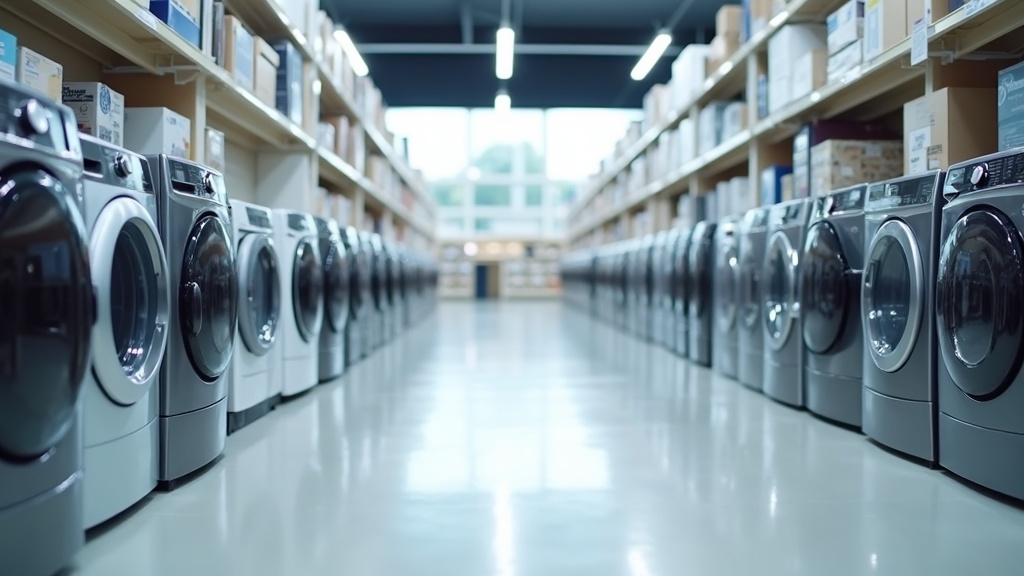
Before buying an open-box or floor-model item, check three things first: what’s physically missing or damaged, whether the manufacturer’s warranty still applies or has been shortened, and what the store’s return window looks like for that specific discounted unit. Open-box and floor-model discounts can be genuinely good value, but the savings only hold up if the item works, the accessories are all there, and you’re not stuck with it if something’s wrong.
What “open-box” and “floor model” actually mean
These two terms get used loosely, and they don’t mean the same thing. An open-box item is usually a customer return, a display unit brought back from a floor set, or overstock that had its packaging opened for inspection, photography, or a prior sale that fell through. It may have never been used, or it may have been used briefly and returned within the window. A floor model is specifically the unit that sat on the sales floor for demonstration — customers picked it up, tested buttons, sat in it, or plugged it in repeatedly for weeks or months.
Neither label tells you the actual condition on its own. A store might grade open-box items (like “like new,” “excellent,” “fair”) or might just slap a single discounted price on the box with no explanation. Ask what grading system, if any, was used, and ask specifically why the item is being sold as open-box or floor model rather than full price. Sometimes it’s cosmetic. Sometimes it’s a functional issue that got fixed. Sometimes nobody actually knows.
Common reasons items end up in this category
- Customer changed their mind and returned it within the standard window
- Packaging was damaged during shipping or in-store handling, but the product itself is fine
- The unit was used as a floor display and has cosmetic wear from handling
- An accessory or component was swapped out at some point and never fully replaced
- The item is a genuine return due to a defect that may or may not have been repaired
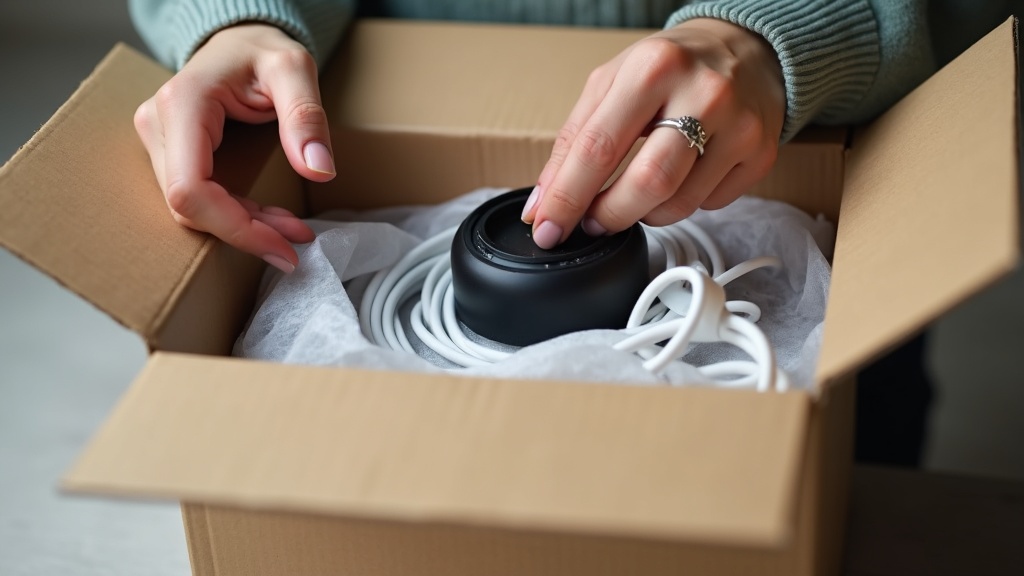
Inspect the item in person, not just the price tag
If you can physically examine the item before buying, do it thoroughly, right there in the store. Power it on if it’s electronic. Check every visible surface for scratches, dents, or discoloration. Open any doors, drawers, or hinges. Look for water stains or dust buildup that suggests it sat unboxed for a long time. For anything with a screen, look for dead pixels, lines, or uneven backlighting under different lighting angles.
Then check the contents against the original packaging list. This is where open-box deals quietly become worse deals: a missing remote, power cable, mounting bracket, or manual can turn a discount into an expense once you have to buy the missing piece separately. Ask the associate to physically confirm what’s in the box with you before you pay, not after you get home.
A quick in-store checklist
- Power it on and test the core function (screen, motor, heating element, etc.)
- Check for all original accessories, cables, and included parts
- Look over the exterior for cracks, dents, or moisture damage
- Ask if the item was tested or repaired before being restocked
- Confirm the exact remaining manufacturer’s warranty period
- Ask about the store’s specific return window for this discounted unit
Warranty coverage is the part people forget to ask about
This is arguably the most important check, and the easiest one to skip because you’re focused on the physical item. A brand-new product typically comes with a full manufacturer’s warranty starting the day it’s purchased. An open-box or floor-model item might not work that way. Some manufacturers count the warranty from the original sale or manufacture date, which means a floor model that sat on display for eight months could arrive with a warranty that’s already partly used up.
Ask directly: does the manufacturer’s warranty apply in full, starting today? Or is it prorated from an earlier date? Some stores offer their own short “as-is” guarantee instead of manufacturer coverage, which is a very different level of protection. For anything with moving parts or a compressor — major appliances especially — this distinction matters more than the discount itself. It’s worth reading through a general guide on how to compare warranties before buying an appliance so you know what questions to ask regardless of condition.
Return policy: the safety net that’s easy to overlook
Many stores shorten the return window for open-box, clearance, and as-is items compared to full-price merchandise. A standard 90-day return policy might drop to 14 days, or the item might be marked final sale with no returns at all. Before you buy, get the specific return terms for that unit in writing or on the receipt, not just the general store policy you remember from buying something else there.
This is worth treating as its own decision factor, not an afterthought. A steep discount on an item you can’t return if it fails in week three is a different risk than the same discount with a normal 30-day window. For a deeper look at how much weight return terms should carry in any purchase, see this breakdown of how return policies should factor into buying decisions.
Is the discount actually worth it?
Open-box and floor-model pricing is discounted off the original price, but “discounted” doesn’t automatically mean “good deal.” Compare the open-box price against what the same or similar model costs new elsewhere, including during typical seasonal sales for that category. A floor-model TV marked down by a modest amount might still cost more than a new baseline model bought during a seasonal sale window, which is why it helps to know general patterns like those covered in the guide to the best time to buy a TV.
It also helps to check the price against recent history rather than the sticker alone — a tool that tracks price changes over time can show whether a “discount” is meaningfully below the item’s usual range or just back to where it normally sits. For more on that approach, see how price-tracking tools actually work and this general framework for telling whether a sale price is actually a good deal.
Electronics need an extra layer of scrutiny
Open-box laptops, tablets, and other electronics carry risks beyond cosmetic wear — data wipe status, battery health, and software activation can all be issues that aren’t obvious from a quick look. If the open-box item overlaps with refurbished stock (which some stores blend together on the same shelf or website section), it’s worth working through a dedicated checklist before buying, such as this one on what to check before buying refurbished electronics. Ask specifically whether the unit has been factory reset, whether the battery has been tested, and whether it’s been re-sealed with any accessories replaced.
Questions worth asking before you pay
- Why is this item being sold as open-box or floor model?
- Was it tested, repaired, or inspected before being put back for sale?
- Does the full manufacturer’s warranty apply, and from what start date?
- What is the return window for this specific item, in writing?
- Are all original accessories, manuals, and cables included?
- Is there a further discount possible if I point out a cosmetic flaw?
That last one is worth trying. Store associates sometimes have room to knock a bit more off a floor model with a visible scuff or a slightly bent corner, especially if you ask politely and the item has been sitting for a while. It rarely hurts to ask, and it’s a normal part of shopping this category rather than an awkward negotiation.
Frequently asked questions about open-box and floor-model deals
Is open-box the same as refurbished?
No. Open-box usually means the packaging was opened or the item was returned, often with little to no use, while refurbished typically means the item was inspected, repaired, and certified by the manufacturer or a third party. Refurbished items often come with more formal testing documentation than open-box ones.
Do open-box items come with a warranty?
Sometimes, but not always the full original one. Ask whether the manufacturer’s warranty applies in full from the purchase date or is prorated from an earlier date, and whether the store offers its own separate guarantee instead of manufacturer coverage.
Can you return a floor-model item if it breaks?
It depends entirely on the store’s specific policy for that item, which is often shorter than the standard return window or marked as final sale. Get the exact return terms in writing before buying rather than assuming the general store policy applies.
How much cheaper are open-box items usually?
It varies widely by category, condition grade, and how long the item has been sitting, so there’s no fixed percentage to expect. Compare the open-box price against the current price of a new unit and recent price history before deciding if the gap is worth the added risk.
Is it worth buying a floor-model appliance?
It can be, especially for large appliances where floor-model wear is often cosmetic, but check the warranty terms and return window carefully first. If the discount is small and the warranty is significantly shortened, a new unit bought during a seasonal sale may end up being the better value.
Shopper Marts publishes general shopping and buying information, not financial advice, and we are not a retailer. We do not verify real-time prices, stock, or sale terms — always confirm current price, availability, and return policy directly with the seller before buying. Product categories, not specific real brands or models, are discussed unless otherwise noted, and nothing here is a guarantee of price or performance.