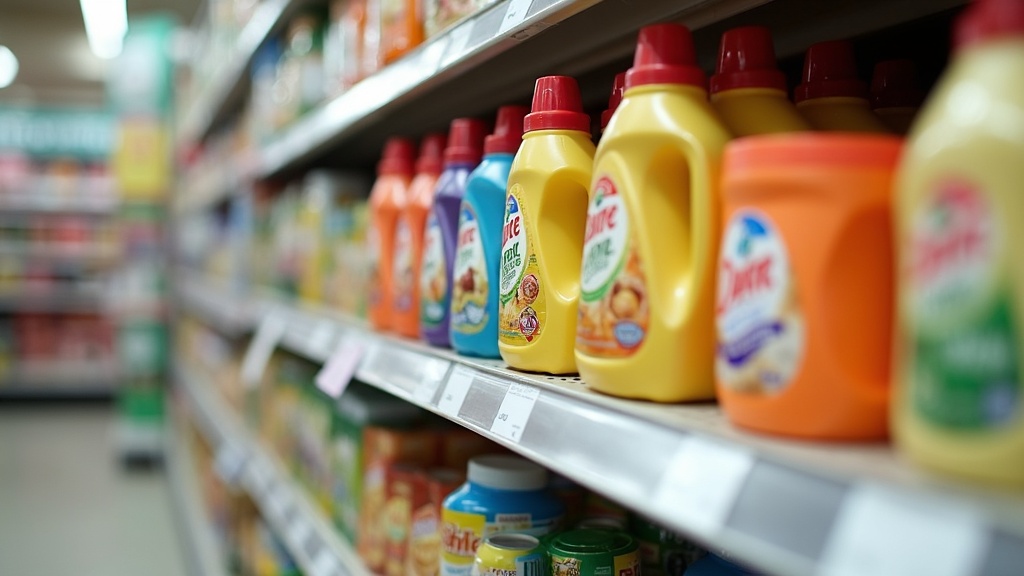
A unit price tells you the cost per common measure — per ounce, per sheet, per load, per hundred milliliters — so you can compare a small box against a giant one on equal footing. Read it correctly, and you’ll quickly see that the bigger package isn’t automatically the better deal. The trick is making sure you’re comparing the same unit of measure and the same product form, not just glancing at two numbers on a shelf tag and assuming the smaller one wins.
What a unit price actually tells you
Most shelf tags in the U.S. show two figures: the total price of the package and a smaller unit price, usually listed as cost per ounce, per pound, per count, or per load. That unit price exists specifically so shoppers don’t have to do mental math in the aisle. A 12-ounce bag and a 32-ounce bag of the same product can be compared directly by looking at the “per ounce” line instead of trying to eyeball which one is the better buy based on the sticker price alone.
This matters more than it sounds like it should, because package sizes are rarely round numbers. Manufacturers resize containers constantly — sometimes for supply chain reasons, sometimes to create the appearance of a lower price point — and a “family size” or “value pack” label is a marketing claim, not a guarantee. The unit price is the one number on the tag that cuts through that.
Why bigger isn’t always cheaper
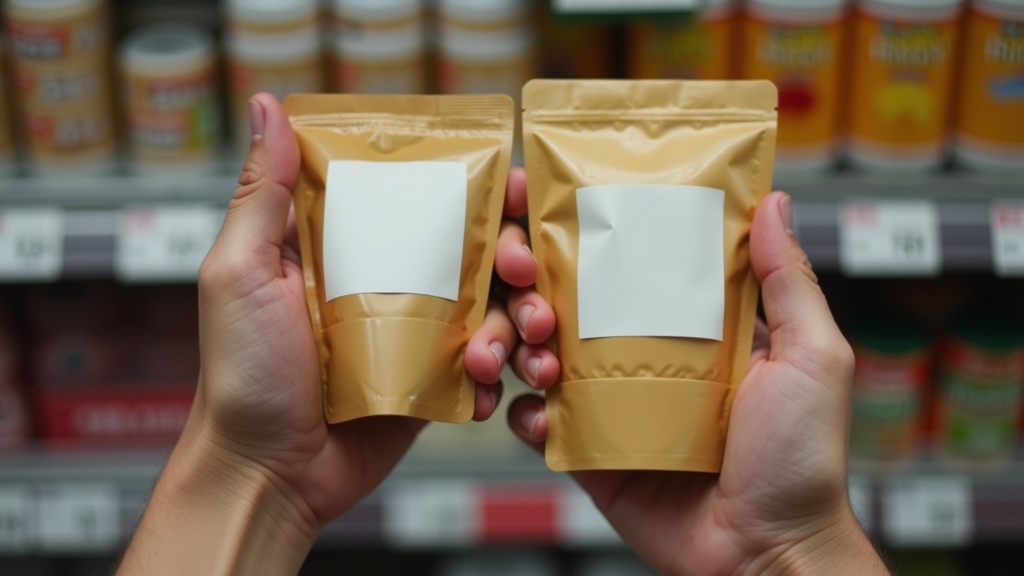
It’s a common assumption that larger packages always cost less per unit, and often they do — but not always, and not by a predictable amount. Retailers sometimes price the mid-size option as the best per-unit value specifically because that’s the size most people buy without comparing, while the smallest and largest sizes carry a premium. Bulk-format packaging at a warehouse club can also be a worse per-unit deal than a mid-size box at a regular grocery store if the item isn’t something you’ll use before it expires or goes stale.
A quick example, purely illustrative and not a reflection of real current prices: imagine a small bottle priced in the $3-4 range at 16 ounces, a medium bottle priced somewhere in the $6-8 range at 32 ounces, and a bulk bottle priced in the $11-14 range at 64 ounces. On sticker price alone the bulk bottle looks best. But once you divide down to cost per ounce, the medium bottle sometimes comes out ahead, depending on the actual numbers on the tag that day. That’s why the unit price line matters more than the headline total.
| Package size (example) | Illustrative price range | What to check |
|---|---|---|
| Small / single | Lower total, higher per-unit cost is common | Good for trial or infrequent use |
| Medium / family | Often the sweet spot per unit | Compare against both ends before assuming |
| Bulk / club size | Lower per-unit cost usually, not always | Only worth it if you’ll use it before it expires |
Where to find unit price information
Most shelf tags display the unit price directly beneath or beside the total price, often in smaller print. It’s required or encouraged by consumer protection rules in many states, though the exact format and measurement unit used can vary by store and even by aisle within the same store. If a tag is missing, damaged, or the unit shown doesn’t match what you’d expect (weight versus count, for instance), it’s worth asking a store associate rather than guessing.
Online, unit pricing is sometimes buried lower on the product page or left out entirely, which is one reason comparison shopping across websites can eat up more time than it should. Tools built for this — covered in more detail in our piece on how price-tracking tools actually work — can help pull historical pricing and per-unit costs together so you’re not opening a dozen tabs to do it by hand. If you’re trying to keep the whole process efficient rather than obsessive, our guide on how to comparison shop without wasting hours covers where the time is actually worth spending.
Matching units before you compare
The most common way unit pricing goes wrong isn’t math — it’s mismatched units. One package might list price per ounce while a similar item nearby lists price per pound, or one lists per sheet while a paper towel competitor lists per roll despite very different sheet counts per roll. Before trusting a side-by-side comparison, confirm:
- Both items are priced using the same unit (ounce vs. ounce, not ounce vs. pound)
- The unit reflects usable product, not packaging weight or concentrated formulas that get diluted differently
- You’re comparing the same product form — liquid concentrate vs. ready-to-use, sheets vs. rolls, dry vs. prepared
- Store brand and name brand versions are using comparable serving sizes, since formulations and fill weights can differ even in similar-looking packaging
That last point comes up constantly with cleaning products, cereal, and pantry staples, and it’s a big part of why our article on store brand vs. name brand: when it matters treats the decision as case-by-case rather than a blanket rule. A generic version can be a genuinely better per-unit value, or it can be a smaller fill weight dressed up to look like an even swap — the unit price is what actually tells you which.
Common pitfalls that throw off the comparison
Sale tags that hide the real math
A bright “sale” flag on a package doesn’t guarantee it beats the unit price of a non-sale item next to it. Multi-buy promotions (“3 for $X”) can also be misleading if you only need one, since the effective unit price often assumes you buy the full bundle. Our guide on how to tell if a sale price is actually a good deal goes deeper on spotting these situations before you commit to a cart full of something you didn’t need three of.
Weight versus volume confusion
Liquids and powders sometimes swap between listing by weight and by volume depending on the brand, which makes a clean per-unit comparison harder unless you convert one to match the other first.
Package redesigns that shrink the fill
When a container’s dimensions stay roughly the same but the actual net weight quietly drops, the unit price is usually the first place that becomes visible, even before most shoppers notice the change on the label itself.
Comparing across store types
A warehouse club price per unit and a standard grocery store price per unit aren’t always measuring the same thing once you account for spoilage risk, storage space, and whether the bulk size actually gets used before it goes stale.
Building the habit without turning every trip into homework
You don’t need to unit-price every item in the cart. It pays off most on things you buy repeatedly and in bulk — pantry staples, cleaning supplies, paper goods, pet food — where small per-unit differences add up over a year. For occasional or seasonal purchases, timing usually matters more than package math; our resources on categories like mattress buying or patio furniture lean more on when to shop than on unit conversions. For the recurring stuff, though, glancing at the per-unit line for a few extra seconds is one of the lowest-effort habits in grocery shopping, and it pairs well with the broader tracking strategies covered across our comparison shopping and price tracking archive.
It’s also worth remembering that unit pricing is a snapshot of that specific day and store. Prices shift with promotions, restocking, and seasonal demand, which is a big part of why our deal timing and sales calendars coverage exists — knowing roughly when a category tends to get marked down can matter as much as knowing the per-ounce cost on any single visit.
Frequently asked questions about reading unit prices
What does unit price mean on a shelf tag?
Unit price is the cost of a product per standard measure — like per ounce, per pound, or per load — rather than the total package price. It lets you compare items of different sizes fairly by looking at cost for the same amount of product, instead of comparing sticker totals that can be misleading.
Is the bigger package always cheaper per unit?
Not always. Larger sizes often have a lower per-unit cost, but mid-size packages sometimes beat both smaller and bulk options depending on how a retailer prices that particular line. Always check the actual unit price rather than assuming size and value move together.
Why do two similar products show different measurement units?
Stores and manufacturers aren’t always consistent — one item might list price per ounce while a similar one lists per pound or per count. Convert both to the same unit before comparing, since mismatched units can make an item look cheaper or pricier than it really is.
Does unit pricing work for online shopping too?
Sometimes, though it’s less consistently displayed than in physical stores. Some retailer websites show a per-unit figure near the price, while others bury it or leave it out, which is where price-tracking tools and manual math both still come in handy.
Should I trust unit price over a sale sticker?
Generally yes — a sale sticker highlights a discount off that item’s own price, but it doesn’t tell you how that item compares to a similar product nearby. Checking the per-unit cost on both is the only way to know which one is actually the better value that day.
Shopper Marts publishes general shopping and buying information, not financial advice, and we are not a retailer. We do not verify real-time prices, stock, or sale terms — always confirm current price, availability, and return policy directly with the seller before buying. Product categories, not specific real brands or models, are discussed unless otherwise noted, and nothing here is a guarantee of price or performance.