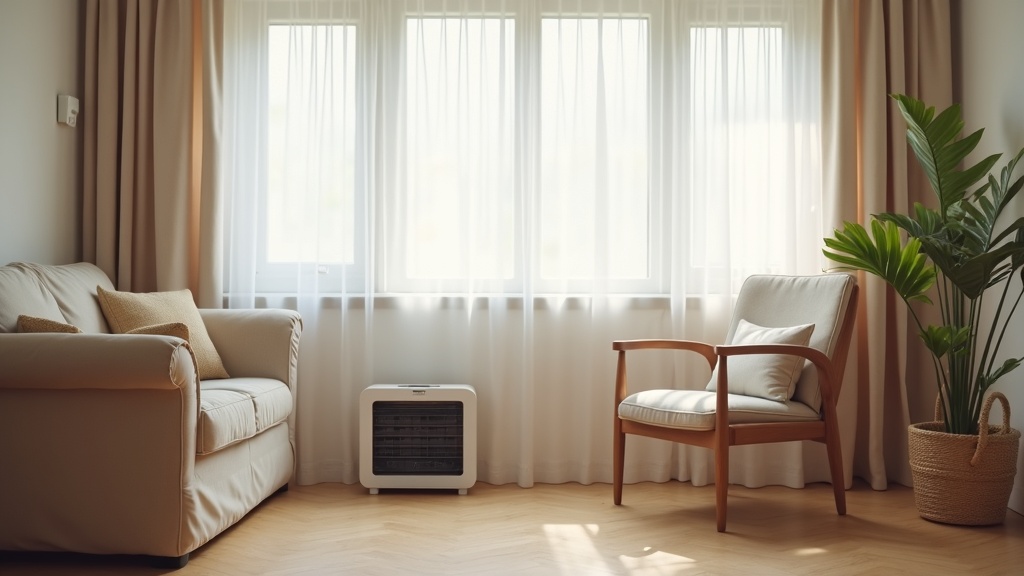
You can meaningfully cut a home energy bill without ripping out walls or replacing a furnace by targeting three things: air leaks and insulation gaps you already have, how and when you run big appliances, and the phantom loads and outdated habits quietly running up usage. Most households can trim a noticeable chunk off a monthly bill through sealing, scheduling, and smarter appliance use alone. None of it requires a contractor, a loan, or a weekend of demolition — just an honest look at where the waste is actually happening.
Start with where the money is actually leaking
Before buying anything, walk your home like an inspector for twenty minutes. Feel around window frames, door thresholds, electrical outlets on exterior walls, and where pipes or cables enter the house. Drafts in these spots force heating and cooling systems to work harder than they should, and that extra runtime shows up directly on the bill. A lit candle or a dampened hand can reveal drafts that aren’t obvious just by standing still.
Cheap fixes here punch well above their cost: weatherstripping on doors, draft snakes at thresholds, and outlet gaskets behind switch plates. These are inexpensive, don’t require tools most people don’t already own, and address the same root problem — conditioned air escaping — that a full renovation would tackle with new windows, just at a fraction of the effort.
Windows and window coverings do more than people expect
Heat gain and heat loss through glass is one of the biggest non-obvious drains in an older or moderately insulated home. You don’t need new windows to fix most of this. The coverings you already have, or the ones you choose next, can block a surprising amount of heat transfer in both directions. If you’re shopping for new coverings anyway, it’s worth understanding which curtains and blinds actually block heat and light versus which ones are mostly decorative, since the difference in fabric weight and layering matters more than the price tag.
In summer, closing coverings on the sun-facing side of the house during peak afternoon hours reduces how hard an air conditioner has to work. In winter, opening them during sunny daylight hours and closing them at dusk uses the sun as free, if modest, heating. Neither habit costs anything to adopt.
Rethink how you heat and cool, not just what you use
Whole-home heating and cooling is expensive because you’re conditioning space nobody is using. Zoning your comfort — heating or cooling the room you’re actually in rather than the entire house — is one of the most effective non-renovation changes available. This is where a well-chosen, safely used space heater can genuinely reduce a bill instead of adding to it, provided you understand the safety trade-offs involved; our guide on what matters when buying a space heater safely covers the placement, wattage, and shutoff features worth checking before you buy one.
Thermostat scheduling is the other lever. Programmable and smart thermostats let you drop the temperature a few degrees while you’re asleep or away without you having to remember to do it manually. If you’re weighing whether a smart thermostat or other connected device is worth adding to your home, our guide to buying a smart home device walks through which features actually save energy versus which ones are mostly convenience.
Appliances: timing and habits beat buying new
Replacing a working appliance purely for efficiency rarely pays for itself quickly enough to make sense as a renovation-avoidance strategy — the manufacturing and purchase cost usually outweighs near-term savings unless the old unit is already failing. Instead, focus on how you run what you already own:
- Run full loads in dishwashers and washing machines rather than partial ones; the energy cost per load doesn’t shrink much just because the load is smaller.
- Use cold water for laundry when possible — heating water is usually the largest single energy cost in a wash cycle, not the motor running the drum.
- Air-dry when weather and space allow, even occasionally, since dryers are consistently one of the highest draw appliances in a home.
- Clean dryer lint traps and refrigerator coils; both restrict airflow when clogged and force the appliance to run longer to do the same job.
If an appliance is genuinely near the end of its life and a replacement is coming regardless, that’s a different conversation than a renovation — our home appliance buying guides cover the features and specs that actually affect long-term running costs, separate from upfront price.
Phantom loads add up more than people assume
Devices left plugged in — game consoles, chargers, entertainment centers, coffee makers with always-on clocks — draw small amounts of power continuously, even when “off.” Individually each draw is tiny; collectively, across a household with a dozen or more such devices, it’s a steady background cost that never shows up as a single obvious spike. A power strip you can switch off for a cluster of rarely-used electronics is a low-effort way to eliminate this without changing any habits around the devices themselves.
Don’t forget the bill itself, not just the usage
Cutting usage is half the equation; the other half is making sure you’re not overpaying for the plan, provider, or add-ons attached to your utility and related household accounts. Many households are paying for services on autopilot that no longer make sense for how they actually live. It’s worth setting aside time to audit your subscriptions and cancel unused ones, since streaming services, home warranty add-ons, and bundled protection plans often creep onto a monthly bill and stay there long after they stopped being useful. The broader bills and subscriptions management archive is a good place to work through this systematically rather than piecemeal.
If your utility offers time-of-use pricing, understanding when rates are lowest and shifting laundry, dishwashing, or charging to those windows can lower a bill without changing total usage at all — just when it happens. Not every provider offers this, but it costs nothing to check your account settings or ask.
A simple order of operations
If you’re not sure where to start, this rough sequence tends to deliver the most savings for the least effort:
- Seal obvious drafts around doors, windows, and outlets first — it’s the cheapest fix with the broadest effect.
- Adjust thermostat scheduling and window covering habits to match the sun and your actual occupancy patterns.
- Change laundry and dishwasher habits toward full loads and cold water where possible.
- Cut phantom loads with a switchable power strip for rarely-used electronics.
- Review your utility plan and household bills for unused add-ons or better rate structures.
None of these steps require a permit, a contractor, or a renovation budget. They’re the kind of changes you can make over a single weekend, and most of them cost little to nothing beyond a few small purchases like weatherstripping or a power strip.
When it’s worth spending a little to save more
A handful of small purchases do tend to pay for themselves reasonably quickly, which puts them in a different category than a full renovation. Weatherstripping, door sweeps, outlet gaskets, and heavier window coverings are inexpensive relative to the energy they typically save over a season. If you’re comparison shopping for any of these small fixes, our smart shopping guide hub covers how to compare options and time purchases so you’re not paying more than necessary even for a low-cost item.
For bigger-ticket household goods that touch your energy bill indirectly — a new washing machine, refrigerator, or range — it’s worth reading a proper buying guide before deciding, since the wrong size or type can cost more to run than the sticker price suggests. The buying guides hub is a reasonable starting point if a genuine appliance replacement is on the table alongside these smaller fixes.
Frequently asked questions about cutting a home energy bill
How can I lower my electric bill without spending money?
Adjust thermostat settings for when you’re actually home, close curtains during peak sun in summer and open them in winter, unplug rarely-used electronics, and run full loads in laundry and dishwashers. These habit changes cost nothing and can meaningfully reduce usage over a billing cycle.
What uses the most electricity in a home?
Heating, cooling, and water heating typically account for the largest share of a home’s energy use, followed by large appliances like dryers, refrigerators, and washing machines. Electronics left plugged in add a smaller but steady background cost that adds up over a month.
Do space heaters actually save money on heating bills?
They can, if used to heat only the room you’re occupying instead of running whole-home heating for an empty house. Savings depend on the unit’s wattage, how long it runs, and local electricity rates, so it’s worth checking safety features and running costs before relying on one regularly.
Is it worth replacing old appliances just to save energy?
Usually not on its own — replacing a working appliance purely for efficiency rarely pays back quickly enough to justify it. It makes more sense to change usage habits first and only replace an appliance when it’s already failing or near the end of its expected lifespan.
How much can sealing drafts actually save on a bill?
The exact amount varies by home age, climate, and how many gaps exist, but sealing drafts around doors, windows, and outlets is consistently one of the highest-return, lowest-cost fixes available since it directly reduces how hard heating and cooling systems have to work.
Shopper Marts publishes general shopping and buying information, not financial advice, and we are not a retailer. We do not verify real-time prices, stock, or sale terms — always confirm current price, availability, and return policy directly with the seller before buying. Product categories, not specific real brands or models, are discussed unless otherwise noted, and nothing here is a guarantee of price or performance.