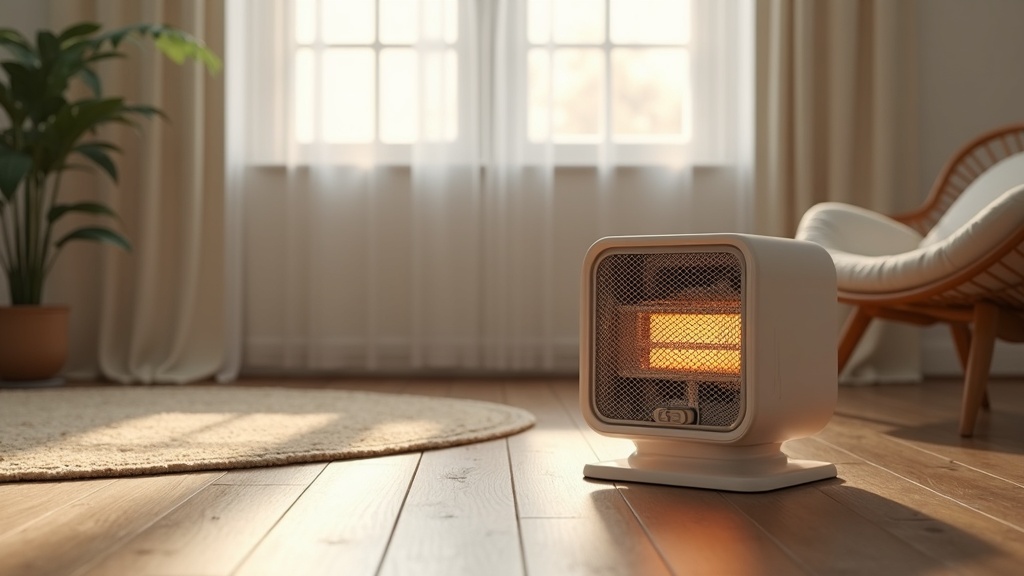
Buying a space heater safely comes down to four things: a genuine safety certification mark, an automatic tip-over and overheat shutoff, a heater sized correctly for the room it will actually heat, and a cord and placement setup that doesn’t turn a heating appliance into a fire risk. Price and style matter less than these basics, and skipping any one of them is where most space heater fires and injuries start.
Space heaters are one of the few household purchases where “safe” and “cheap” aren’t automatically at odds — a well-built unit with proper safety features doesn’t have to cost much more than a stripped-down model without them. The trick is knowing what to check before you add one to your cart, not after it’s already running in a bedroom or home office.
Look for real safety certification, not just a sticker
Any space heater sold in the United States should carry independent testing certification from a recognized safety lab, typically shown as a small mark on the packaging or the unit itself. This isn’t a marketing add-on — it means the heater has been tested for things like internal wiring shorts, overheating components, and structural stability under normal use. Skip anything without a visible, legible certification mark, regardless of how polished the packaging looks.
It’s also worth reading the fine print on warranty coverage, since a manufacturer confident in its build quality usually backs it with a reasonable warranty period. If you’re comparing warranty terms across appliance categories in general, the same logic that applies to buying a washing machine or refrigerator applies here — the guide on how to compare appliance warranties before buying walks through what to look for in the fine print.
Automatic shutoff features aren’t optional extras
Two features should be considered mandatory, not nice-to-haves:
- Tip-over shutoff — the heater powers down automatically if it’s knocked over, which matters enormously in homes with pets, kids, or cluttered floor space.
- Overheat protection — an internal sensor cuts power if internal components get too hot, which prevents the unit from continuing to run if airflow gets blocked or a fault develops.
Beyond these two, a cool-touch housing (so the exterior doesn’t get hot enough to burn skin or scorch nearby fabric on contact) and a timer function that lets the heater shut off on its own overnight are both genuinely useful for everyday safety, especially if the heater will run unattended in a room for stretches of time.
Ceramic, oil-filled, or infrared — the safety trade-offs
The heating method affects safety in practical ways. Ceramic and fan-forced heaters warm up and cool down fast but tend to have hotter exterior surfaces near the vents. Oil-filled radiator heaters run cooler to the touch and hold heat longer after shutoff, which some people find safer around kids, but they’re heavier and slower to warm a room. Infrared heaters warm objects and people directly rather than the air, which can be efficient in a single spot but means the heating element itself runs quite hot and needs clearance from anything flammable. None of these types is universally “the safest” — the right pick depends on the room, who’s in the house, and how the heater will actually be used.
Match the heater’s output to the room, not the room to the heater
Oversizing or undersizing a space heater creates its own safety issues. A heater that’s too small for the room gets run at maximum output for hours on end, which stresses components and shortens their lifespan. A heater that’s too large for a small room can overheat the space and tempt people to place it closer to furniture or bedding than is safe, just to spread the heat out. Manufacturers typically list a recommended square footage range on the packaging — matching that to your room size, rather than buying the biggest unit available “to be safe,” is the better approach.
Placement rules that actually prevent fires
Most space heater incidents trace back to placement, not the appliance itself. A few non-negotiable rules:
- Keep at least three feet of clearance from curtains, bedding, furniture, and paper on all sides.
- Never run a space heater on carpet or a rug unless the manufacturer specifically states it’s rated for that surface.
- Plug directly into a wall outlet — avoid extension cords and power strips, which aren’t always rated for the current a heater draws and can overheat.
- Never leave a space heater running in an unoccupied room or overnight without a timer or shutoff feature engaged.
- Test smoke detectors in any room where a space heater is used regularly, since these units are a recurring factor in home heating fire statistics.
The U.S. Consumer Product Safety Commission publishes ongoing guidance on portable heater use, and it’s worth a quick read before your first cold-weather season with a new unit — see the agency’s portable space heater safety guidance for specifics.
Buying used or open-box: extra caution applies
Space heaters show up often in open-box and floor-model clearance sections, and secondhand units get passed around at yard sales and resale shops too. The savings can be real, but a used heater carries risks a new one doesn’t — frayed internal wiring, a compromised tip-over switch, or a cord that’s been nicked aren’t always visible from the outside. If you’re considering a secondhand appliance of any kind, the general checklist in what to check before buying a used or refurbished appliance applies directly to heaters: inspect the cord end to end, plug it in briefly to confirm all functions respond, and skip anything with a missing or damaged safety certification label. The same caution applies to open-box and floor-model deals more broadly — a discounted price isn’t worth much if the safety mechanism has already been triggered and reset improperly by a previous owner.
Where a space heater fits into your broader appliance shopping
Space heaters are a seasonal category, and pricing tends to follow predictable patterns tied to weather rather than any single retailer’s calendar — they’re commonly discounted as winter winds down and demand drops, similar to how other seasonal goods get marked down once the peak season passes. If you’re trying to time this purchase alongside other household appliances, the broader guide on when to buy appliances for the lowest prices covers how seasonal demand affects appliance pricing generally. And whatever you buy, check the return window before you’re relying on the heater daily — the reasoning in how return policies should factor into buying applies just as much to a $40 heater as it does to a major appliance, since a unit that fails a safety feature in week two is much easier to deal with under a generous return policy. For a wider view of appliance shopping fundamentals, the home and appliances buying guides section covers related categories worth comparing before you commit.
Frequently asked questions about buying a space heater safely
What safety features should a space heater have?
Look for automatic tip-over shutoff, overheat protection, a cool-touch exterior, and a visible independent safety certification mark on the packaging or unit. A timer function is a helpful extra but the first two shutoff features are the ones that actually prevent fires.
Is it safe to run a space heater all night?
Most safety guidance recommends against running any space heater unattended or overnight, even with shutoff features, since it’s still a heat-producing appliance near bedding and furniture. If overnight use is necessary, a timer function and generous clearance from flammable materials reduce the risk considerably.
Can I plug a space heater into a power strip?
It’s generally not recommended. Space heaters draw significant current, and many extension cords and power strips aren’t rated to handle that load safely, which can cause overheating at the cord or outlet. Plugging directly into a wall outlet is the safer standard practice.
How do I know what size space heater I need for a room?
Manufacturers typically list a recommended square footage range on the packaging based on the heater’s wattage output. Measure your room and match it to that range rather than assuming a bigger unit is automatically safer or more efficient.
Are ceramic or oil-filled heaters safer?
Neither type is universally safer; each has different trade-offs. Ceramic heaters warm rooms faster but have hotter exterior surfaces near vents, while oil-filled radiators run cooler to the touch but heat rooms more slowly and stay warm longer after shutoff.
Shopper Marts publishes general shopping and buying information, not financial advice, and we are not a retailer. We do not verify real-time prices, stock, or sale terms — always confirm current price, availability, and return policy directly with the seller before buying. Product categories, not specific real brands or models, are discussed unless otherwise noted, and nothing here is a guarantee of price or performance.