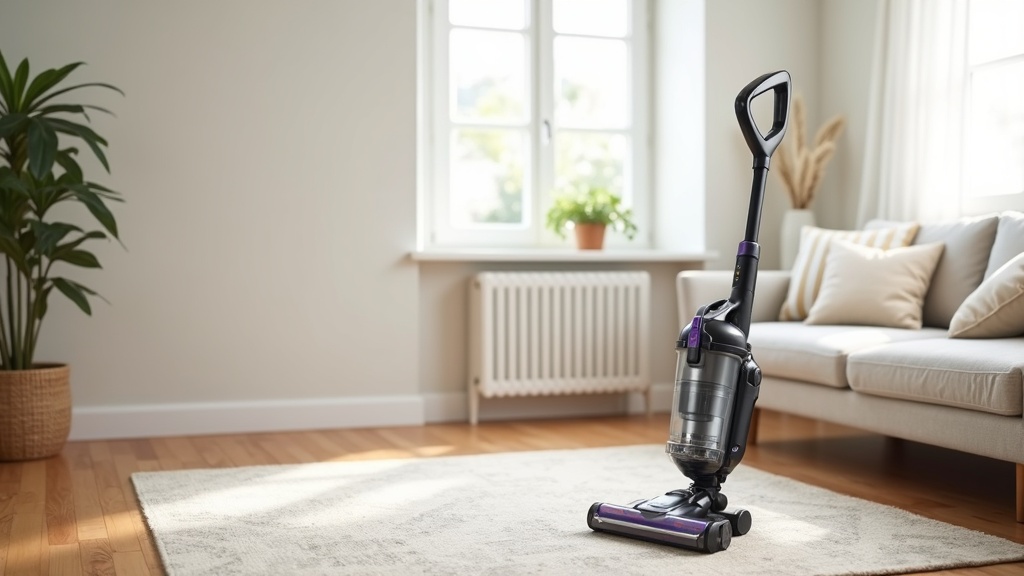
The right vacuum cleaner depends less on brand and more on three things: what floors and messes you actually deal with, how much weight and noise you’re willing to tolerate, and how the filtration and maintenance costs add up over time. A powerful machine that’s miserable to push around or that clogs constantly with expensive filters isn’t a good buy no matter how strong the suction sounds on the box. The goal is matching the vacuum to your home, not chasing the highest number on a spec sheet.
Start with your floors, not the machine
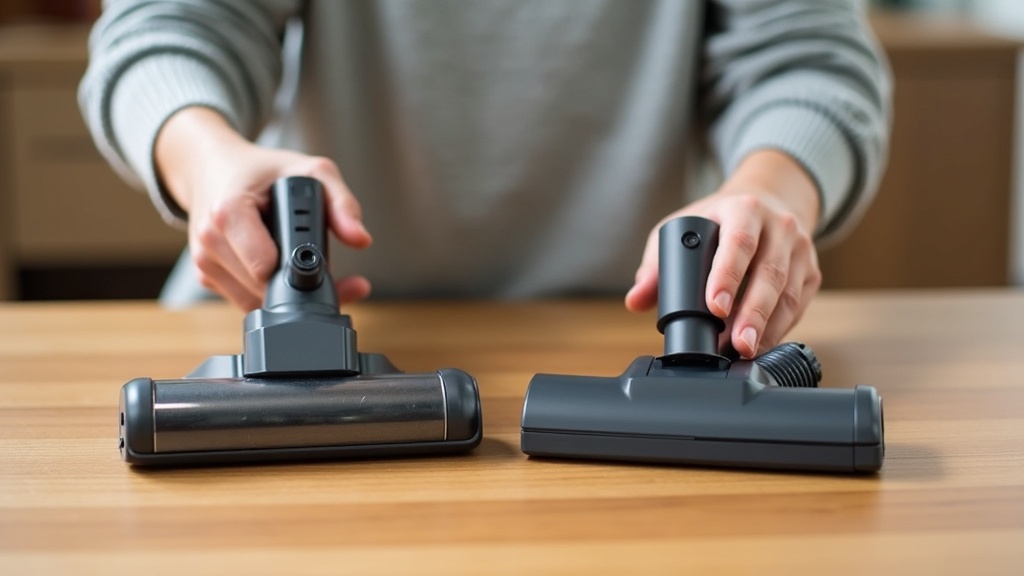
Vacuums are built with different floorhead designs, and the difference shows up fast in daily use. A home with mostly carpet needs strong agitation from a rotating brush roll to pull embedded dirt and pet hair out of fibers. A home with mostly hardwood, tile, or laminate benefits more from a soft-roller or hard-floor setting that won’t scatter debris or scratch the surface. Most mid-range and higher-end models today offer a switch or auto-sensing mode for both, but cheaper single-purpose units often do one floor type well and the other poorly. If you’re outfitting a whole house alongside other big purchases, it’s worth browsing the Home & Appliances Buying Guides hub for how floor care fits into a broader appliance shopping plan.
Rugs and high-pile carpet
Thick or high-pile rugs need adjustable brush-roll height, or the vacuum either stalls against the fibers or floats above them without making contact. Look for a height-adjustment dial or automatic height sensing rather than a single fixed setting.
Pet hair and allergens
If pets shed heavily, prioritize a dedicated pet-hair tool and a brush roll designed to resist hair wrap, since tangled hair around the roller is one of the most common reasons vacuums lose suction and burn out motors early.
Suction power is only half the story
Manufacturers love to advertise raw suction figures, but airflow, seal quality, and filtration design matter just as much for real-world cleaning. A vacuum with strong motor wattage but a leaky hose connection or a clogged filter will underperform a more modestly rated machine that’s sealed and filtered properly. Instead of comparing marketing numbers between models, focus on:
- Whether the filter is washable/reusable or requires ongoing replacement purchases
- Whether the unit is HEPA-sealed, which matters more for allergy sufferers than raw power
- How easily the dust bin or bag empties without a cloud of dust in your kitchen
If allergies or asthma are a household concern, a true HEPA-sealed system (not just a HEPA-style filter that leaks air around the edges) is a more meaningful upgrade than a marginally stronger motor.
Bagged vs. bagless
This is a genuine trade-off, not a solved question. Bagged vacuums tend to seal dust and allergens more completely and are cleaner to empty, but bags are an ongoing cost you’ll keep buying for the life of the machine. Bagless models skip that recurring purchase and let you see when the bin is full, but emptying them can release a puff of fine dust, and their filters still need regular washing or replacing. If you’re weighing this against other recurring household costs, the same “generic vs. name-brand” logic that applies to store brand vs. name brand purchases applies here too — a generic bag or filter that fits properly can save real money over years of ownership.
Corded vs. cordless, and how much runtime you actually need
Cordless stick vacuums have improved a lot, but battery life and suction still generally trail corded models, especially on max power settings. A cordless vacuum that runs at full strength for only a few minutes before dropping to a weaker mode may be fine for quick daily touch-ups but frustrating for a full-house deep clean. Corded uprights and canisters give unlimited runtime at full power but mean dragging a cord room to room. Many households end up happiest with two tools: a corded machine for weekly deep cleaning and a lightweight cordless for quick spot cleanup between full vacuums.
Weight, maneuverability, and where you’ll actually store it
A vacuum that’s a chore to carry up stairs or wrestle out of a closet tends to get used less often, which defeats the purpose of buying it. Before buying, think honestly about:
- Whether you’ll be carrying it up and down stairs regularly (lighter canister or stick designs help)
- Closet or storage space, since some upright and shop-vac-style machines are bulky
- Cord length if going corded — a short cord means more outlet-swapping across a large home
Attachments that actually get used
Extra attachments look impressive in the box but often sit unused. Focus on the two or three that match your real cleaning tasks: a crevice tool for edges and baseboards, an upholstery brush if you have pets or fabric furniture, and an extension wand if you’ll be vacuuming stairs, curtains, or car interiors. A tool caddy that clips onto the machine itself, rather than a loose bag of attachments, is a small feature that saves real frustration over the vacuum’s lifetime.
Noise level
Vacuum noise varies more between models than most people expect, and it matters if you have young kids, work from home, or live in a shared building. Noise ratings aren’t always listed clearly, so reading independent reviews or, when possible, testing a floor model in-store gives a better sense than a spec sheet alone.
Warranty, repairability, and where you buy it
Vacuums take physical abuse — dropped, bumped into furniture, cords yanked — so warranty coverage and part availability matter more here than for many appliances. Before buying, check how long the motor and parts are covered and whether local repair is realistic, since some inexpensive models are effectively disposable once a belt or motor fails. Our guide on how to compare warranties before buying an appliance walks through the fine print worth reading, including what’s typically excluded. If you’re eyeing an open-box or floor-model unit to save money, run through the checklist in Open-Box and Floor-Model Deals: What to Check First before handing over payment, and confirm the return policy allows enough time to actually test it at home.
Timing the purchase
Vacuum cleaners follow the general appliance discount pattern: markdowns cluster around major shopping holidays and around new-model release windows when older stock gets cleared. If you’re not in a rush, tracking a specific model’s price over a few weeks with a price-tracking tool can reveal whether a “sale” tag reflects a real discount or just a temporary price bump before the markdown. For broader timing patterns across appliance categories, see when to buy appliances for the lowest prices.
| Priority | Look for | Skip if |
|---|---|---|
| Carpet-heavy home | Adjustable brush-roll height | Fixed hard-floor-only head |
| Allergies | True HEPA-sealed system | Loose “HEPA-style” filter with visible gaps |
| Small storage space | Lightweight cordless or compact canister | Bulky full-size upright with wide footprint |
| Pet hair | Tangle-resistant roller + pet tool | Standard bristle roll with no hair-release design |
Frequently asked questions about vacuum cleaners
What is the most important feature in a vacuum cleaner?
There’s no single most important feature — it depends on your floors and household. For carpet, brush-roll adjustability matters most; for allergies, true HEPA sealing matters most; for small apartments, weight and storage size often outweigh raw suction power.
Is bagless or bagged better for allergies?
Bagged vacuums generally seal dust more completely and release less during emptying, which can help allergy sufferers. Bagless models can work well too if they have a true HEPA seal and you empty the bin carefully outdoors or over a trash bag.
How often should I replace a vacuum filter?
It depends on the filter type and manufacturer guidance, but many washable filters need cleaning every one to three months and full replacement filters roughly every six to twelve months. Check your specific model’s manual, since intervals vary significantly between brands.
Are expensive vacuums actually better than cheap ones?
Not always — price doesn’t automatically equal performance, and some mid-range models outperform pricier ones for specific floor types. Focus on matching features like brush-roll design, filtration, and weight to your actual home rather than assuming a higher price guarantees better cleaning.
How long should a vacuum cleaner last?
A well-maintained vacuum with accessible parts and a decent warranty can often last five to ten years, though heavy daily use in a large household shortens that. Regularly clearing hair from the brush roll and washing filters as directed extends the machine’s working life considerably.
Shopper Marts publishes general shopping and buying information, not financial advice, and we are not a retailer. We do not verify real-time prices, stock, or sale terms — always confirm current price, availability, and return policy directly with the seller before buying. Product categories, not specific real brands or models, are discussed unless otherwise noted, and nothing here is a guarantee of price or performance.