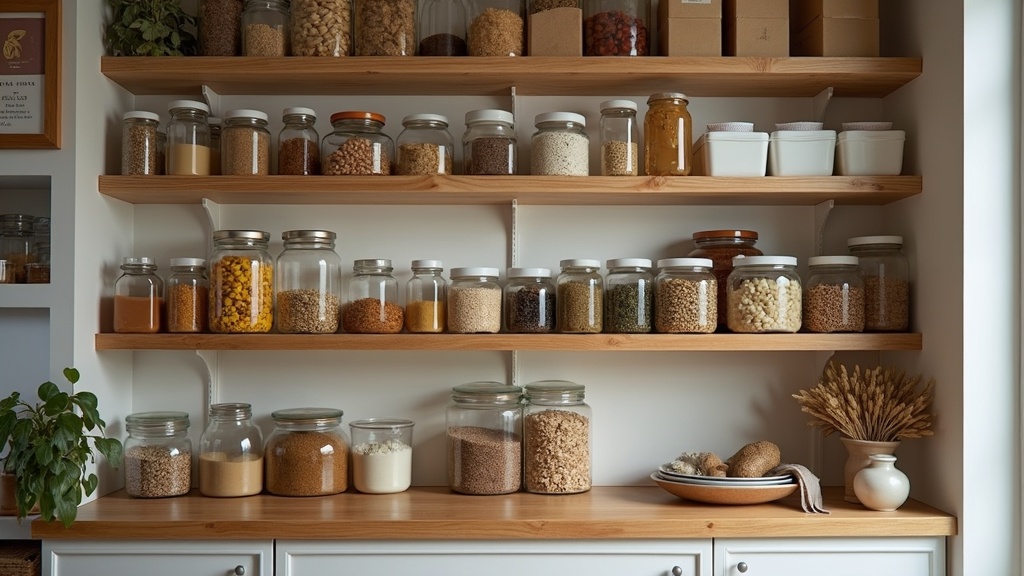
The key to storing bulk purchases without waste is matching container, location, and rotation order to how fast you’ll actually use the item — airtight containers in cool, dark spots for dry goods, portioned freezing for perishables, and a strict “first in, first out” system so older stock always gets used before newer stock. Skipping any one of these three steps is usually why a “good deal” ends up in the trash six months later.
Buying in bulk only saves money if the extra product gets used before it spoils, breaks down, or simply gets forgotten behind something newer. Storage is the part of the equation that determines whether a bulk purchase was actually a bargain or just a larger, slower-moving version of food waste. If you’re still deciding whether a bulk item is worth buying in the first place, it helps to look at when buying in bulk actually saves money before you get to the storage question at all.
Start With the Container, Not the Cabinet
Most bulk waste doesn’t happen because a product went bad on its own — it happens because the original packaging wasn’t built for long-term storage. A warehouse-size bag of rice, flour, or cereal is usually just a thin plastic liner, and once it’s opened, air, moisture, and pests all have an easy way in.
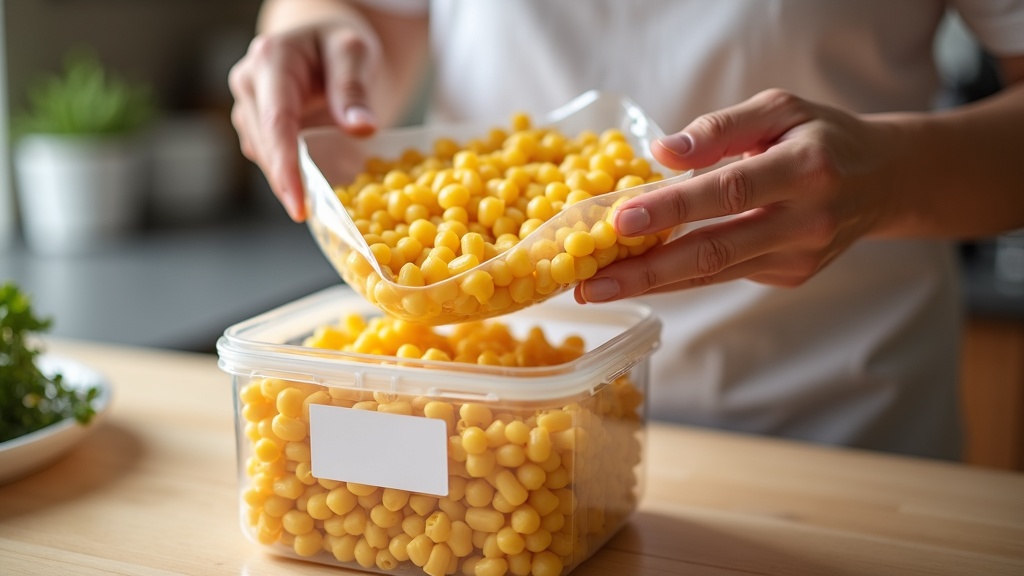
- Dry goods (rice, flour, sugar, pasta, oats): Transfer into airtight containers with gasketed lids as soon as you get home. Glass or food-grade plastic both work; what matters is the seal, not the material.
- Snacks and crackers: Portion into smaller resealable bags or containers right away so the whole box doesn’t go stale from repeated opening.
- Liquids and oils: Keep the original sealed container until opened, then decant only what you’ll use in the next few weeks into a smaller bottle to limit air exposure on the rest.
- Paper and cleaning products: These don’t spoil, but they do take up space and can be damaged by moisture — a dry closet or garage shelf (not a damp basement floor) keeps them usable for years.
Clear containers are worth the small extra cost because you can see what you have at a glance, which cuts down on duplicate purchases. A quick browse through everyday gear and home goods guides can help you compare container and organizer options if your current setup isn’t cutting it.
Freezer Space Is the Real Limiting Factor
Meat, bread, dairy, and prepared foods are where bulk buying saves the most money — and also where the most waste happens if freezer space runs out before the food does. Before buying a large pack of anything perishable, do a quick mental inventory of how much usable freezer space you actually have left, not just whether the deal looks good.
- Portion meat into meal-size packages before freezing, not as one large block that has to be fully thawed to use any of it.
- Flatten bags of ground meat or soup so they freeze faster, store flatter, and thaw more evenly.
- Label everything with the date, even if you’re sure you’ll remember — you won’t, three months from now.
- Keep a running list on the freezer door or a phone note so older items get pulled and used first.
If batch cooking is part of your bulk-buying strategy, the guide on batch cooking and freezing to cut grocery costs covers how to turn bulk ingredients into ready meals instead of letting them sit as raw ingredients that quietly expire.
Rotation Beats Organization
A tidy pantry that isn’t rotated is still a waste risk. The habit that actually prevents spoiled or expired bulk purchases is simple: new stock goes to the back, older stock moves to the front, every single time you restock. This is the same system grocery stores use on their own shelves, and it works just as well in a home pantry or garage shelf.
| Storage Area | Rotation Approach | Common Failure Point |
|---|---|---|
| Pantry shelves | New cans/boxes go behind older ones | Deep shelves hide items until they expire |
| Freezer | Label with date, use oldest first | Unlabeled bags blend together over time |
| Bathroom/cleaning closet | Group by product type, front-facing labels | Duplicate purchases from not seeing what’s already there |
| Garage/basement bulk overflow | Keep an inventory list taped to the shelf | Items forgotten entirely once out of daily sightlines |
For a sense of which categories genuinely hold up well over long storage periods versus which ones lose value fast, the breakdown in what household staples are worth stockpiling is a useful companion piece before your next bulk trip.
Match Purchase Size to Household Size
Bulk packaging is designed around an assumption of how fast an average household will use a product — and that assumption doesn’t hold for everyone. A household of two doesn’t need the same bulk quantities as a household of five, even if the per-unit price looks identical on the shelf. If you’re shopping for a smaller household, it’s worth reading through how to grocery shop for one or two without overspending, since the math on bulk purchases changes significantly when there are fewer people to feed.
The same logic applies to warehouse club memberships generally — the per-item discount only pays off if the household can realistically work through club-size packaging before it goes bad. The comparison in warehouse club membership for a small household walks through when that math works and when it doesn’t.
Don’t Let “Good Deal” Override “Will I Use It”
It’s easy to justify a bulk purchase in the moment because the unit price looks good, but storage capacity and realistic consumption rate are the real constraints. A few honest questions before checkout can prevent most bulk-related waste:
- Do I have a dry, cool, pest-free place to store this until it’s used up?
- Will this get used before quality noticeably drops, not just before the “best by” date?
- Am I buying this size because I need it, or because the per-unit savings felt too good to pass up?
- Do I already have some of this item at home that I’m forgetting about?
If the honest answer to any of these is uncertain, a smaller package — even at a worse per-unit price — is often the better financial decision once wasted product is factored in. Reading unit prices correctly also helps here; the guide on reading unit prices to compare package sizes fairly explains how to compare sizes without being misled by shelf tags.
Reduce Waste on What’s Already in Storage
Even with a good system, some items will sit longer than planned. Rather than letting slightly-past-prime bulk goods go straight to the trash, a rotation-focused approach to meal planning can help absorb them into regular cooking before they’re wasted. The strategies in how to reduce food waste and stretch a grocery budget apply directly to bulk pantry and freezer stock, not just fresh produce.
For broader household budgeting once storage habits are dialed in, the grocery and household savings hub and the household staples and bulk buying archive both cover the wider strategy of buying smart without letting the pantry become a graveyard of good intentions.
Frequently asked questions about storing bulk purchases
How long can bulk dry goods actually stay good in the pantry?
It depends on the item, but most bulk dry goods like rice, pasta, and sugar stay usable for a year or more when kept in a sealed, airtight container away from heat and moisture. Flour and whole grains with natural oils degrade faster, often within six to eight months.
Is it worth buying vacuum sealers for bulk meat storage?
A vacuum sealer can extend freezer life and reduce freezer burn on bulk meat purchases, which is useful for households that regularly buy large cuts or family packs. For occasional bulk buyers, well-sealed freezer bags with air pressed out achieve most of the same benefit at lower cost.
What’s the best way to organize a small pantry for bulk buying?
Group items by category, keep the oldest stock at the front, and use clear or labeled containers so nothing gets pushed to the back and forgotten. Vertical space and door-mounted racks help small pantries hold bulk quantities without becoming cluttered or hard to search.
Do bulk cleaning and paper products expire?
Most cleaning products and paper goods don’t spoil, but cleaning chemicals can lose effectiveness over time and packaging can degrade in damp storage areas. Keep them in a dry space and check labels occasionally, especially for anything stored longer than a year or two.
How do I know if a bulk purchase is too much for my household?
Compare the package size to how much of that item your household realistically uses in a normal month, then check whether you have suitable storage space for the surplus. If either the consumption rate or the storage space doesn’t clearly support the size, a smaller package is usually the safer buy.
Shopper Marts publishes general shopping and buying information, not financial advice, and we are not a retailer. We do not verify real-time prices, stock, or sale terms — always confirm current price, availability, and return policy directly with the seller before buying. Product categories, not specific real brands or models, are discussed unless otherwise noted, and nothing here is a guarantee of price or performance.