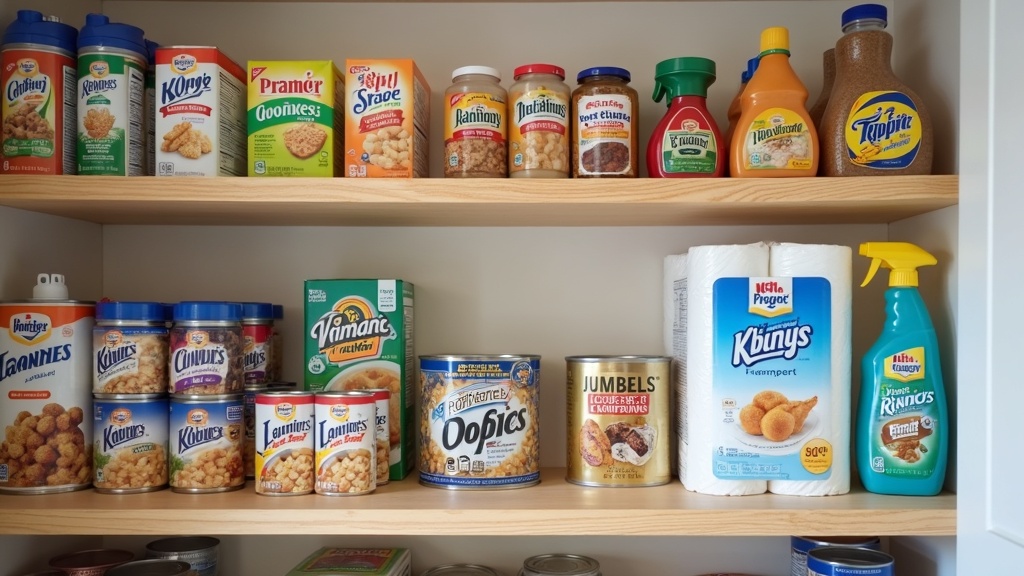
The household staples worth stockpiling are the ones that don’t expire quickly, that you use predictably every month, and that cost meaningfully less when bought in bulk or on sale. That generally means shelf-stable pantry basics, paper goods, laundry and cleaning supplies, and personal care items with long shelf lives. It does not mean perishables, trend-driven products, or anything you’re not certain you’ll actually use before it degrades.
Stockpiling gets a bad reputation because people picture overflowing garages and expired cans. Done well, it’s a much more modest habit: buying a bit more than you need right now, of things you’re guaranteed to use eventually, when the price and timing make sense. The goal isn’t hoarding — it’s smoothing out your spending so you’re rarely paying full price out of urgency.
What actually makes something “worth” stockpiling
Three questions decide whether a staple belongs in your stockpile:
- Shelf life: Will it still be good, effective, or safe to use in six months or a year?
- Predictable use: Do you use this item at a steady, known rate, so extra supply isn’t a guess?
- Price variability: Does the price on this item actually swing enough to make stocking up worthwhile, or is it always about the same?
If the answer to all three is yes, it’s a good stockpiling candidate. If any answer is no, it’s usually better to buy closer to when you need it. This filter is worth applying category by category rather than treating “stockpiling” as one blanket strategy — the archive on household staples and bulk buying goes deeper on how to evaluate individual products this way.
Staples that generally hold up well
Paper and disposable goods
Toilet paper, paper towels, napkins, and facial tissue don’t spoil, don’t lose effectiveness, and take up predictable space. They’re also items where per-unit pricing swings noticeably between a small pack and a bulk case. If you have the storage room, these are near the top of most reasonable stockpile lists.
Cleaning supplies
Dish soap, laundry detergent, all-purpose cleaner, and similar products typically have shelf lives measured in years, not months. Concentrated formulas last even longer per ounce. The main caution is climate — extreme heat or cold storage (an uninsulated garage, for example) can degrade some formulas faster than a label suggests.
Personal care basics
Soap, shampoo, toothpaste, deodorant, and razors are consistent-use items with long shelf lives, which makes them reasonable to stock up on when you find a good per-unit price. The exception is anything with active ingredients tied to a specific skin or health concern, which is worth replacing more often regardless of remaining shelf life.
Shelf-stable pantry staples
Rice, dried beans, pasta, canned vegetables, canned proteins, cooking oils (within their stated shelf life), and baking basics like flour and sugar store well when kept cool, dry, and sealed. These are also staples where reading unit prices carefully matters, since a larger package isn’t automatically cheaper per ounce.
Batteries and light bulbs
These sit unused for long stretches by design, have long shelf lives, and are annoying to be without at 9 p.m. on a weeknight. They’re a low-risk stockpile item as long as you rotate stock so older ones get used first.
Staples that are trickier to stockpile
Not every “staple” behaves the same way once it’s sitting in a closet for months.
- Anything with a real expiration date tied to potency — vitamins, sunscreen, some medications — where the product can become less effective, not just “old.”
- Perishable groceries like fresh produce, dairy, and most meat, where freezing and batch prep matter more than dry stockpiling. This is really a meal-planning question more than a stockpiling one, and it’s covered more fully in batch cooking and freezing to cut grocery costs.
- Products tied to changing formulas or trends, where buying a year’s supply locks you into an old version right as a better one arrives.
- Anything you’re not actually sure you’ll use — a “deal” on a product you use rarely isn’t a saving, it’s inventory.
The general rule: the closer a product is to being biological (skin, food, health-related) rather than purely mechanical or chemical (paper, cleaning agents, hardware), the more carefully you should check shelf life before buying in bulk.
How much is actually worth buying
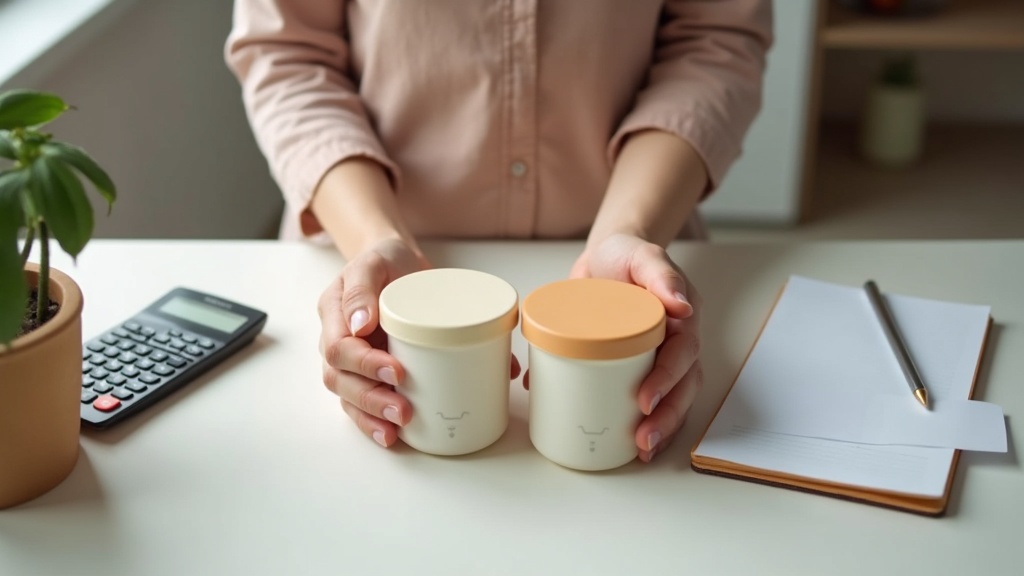
A useful target for most non-perishable staples is a one-to-three-month supply, adjusted by how much reliable storage space you have and how steep the per-unit savings actually are. Buying six months or a year of something rarely saves meaningfully more than buying two or three months’ worth, but it does tie up more cash and more space. The guide to when buying in bulk actually saves money walks through the math in more detail, including when a warehouse club membership pencils out and when it doesn’t.
It also helps to separate “stockpile because it’s cheaper right now” from “stockpile because I’m about to run out.” The first is a savings decision; the second is just normal shopping. Treating every low-stock moment as a bulk-buy opportunity is how stockpiles get overgrown and disorganized.
| Category | Typical shelf life | Good stockpile candidate? |
|---|---|---|
| Paper goods | Effectively indefinite | Yes |
| Cleaning supplies | 1-3+ years | Yes, watch storage temperature |
| Canned/dry pantry staples | 1-2+ years | Yes, rotate stock |
| Batteries, bulbs | Years | Yes |
| Vitamins, sunscreen, OTC meds | 1-2 years, potency-dependent | Only in small extra amounts |
| Fresh produce, dairy, meat | Days to weeks | No — freeze or plan meals instead |
Fitting a stockpile into a real grocery budget
Stockpiling only helps your budget if it’s built on top of a plan, not instead of one. It’s easy to justify a “deal” on staples you already have plenty of, which just moves money from this month’s budget into a shelf you’re not shopping from. Building a stockpile works best alongside the basics covered in how to build a grocery budget that actually works, so bulk purchases are a planned line item rather than an impulse that quietly inflates your spending.
Store brands are also worth a second look when you’re stocking up, since the gap between store brand and name brand often matters less for staples like paper goods and pantry basics than it does for more specialized products — the comparison in generic vs name-brand groceries is a useful starting point before you commit to a case of anything. And if part of your motivation for stockpiling is reducing last-minute, full-price purchases, it’s worth pairing this habit with better use of what’s already in your kitchen — see reducing food waste to stretch a grocery budget for the other half of that equation. For a broader view of how staples fit into overall household spending, the grocery and household savings hub connects these pieces together.
A simple way to decide, item by item
- Check the shelf life or expiration window on the label.
- Estimate how much you’d actually use in that window based on past habits, not hope.
- Compare the per-unit price of the bulk option to your usual purchase using unit pricing, not the total on the shelf tag.
- Confirm you have dry, temperature-stable storage space for it.
- Buy enough to cover that window comfortably, not the maximum size available.
Frequently asked questions about stockpiling household staples
What household items should you always have extra of?
Paper goods, basic cleaning supplies, soap, laundry detergent, batteries, and shelf-stable pantry basics like rice, pasta, and canned goods are the safest extras to keep on hand, since they store well and get used predictably in most households.
Is it actually cheaper to stockpile household staples?
Often yes, per unit, but only if you compare unit prices carefully and only buy what you’ll use before quality declines. Tying up cash in oversized quantities of things you use slowly can offset any per-unit savings.
How long can you store canned food and still use it safely?
Most commercially canned food stays safe well past the printed date if the can isn’t damaged, dented, bulging, or rusted, though quality can decline over time. When in doubt, check guidance from a consumer or food safety resource rather than guessing.
Should you stockpile cleaning products or toiletries?
Basic cleaning products and toiletries like soap and toothpaste generally store well for a year or more, making them reasonable stockpile items. Items with active health-related ingredients, like sunscreen or medications, should be bought in smaller amounts and rotated more often.
How much pantry stockpile is too much?
If you’re storing more than about a three-month supply of a non-perishable staple, you’re usually past the point of meaningful extra savings and into tying up space and cash unnecessarily — that threshold is a reasonable starting point to reassess.
Shopper Marts publishes general shopping and buying information, not financial advice, and we are not a retailer. We do not verify real-time prices, stock, or sale terms — always confirm current price, availability, and return policy directly with the seller before buying. Product categories, not specific real brands or models, are discussed unless otherwise noted, and nothing here is a guarantee of price or performance.